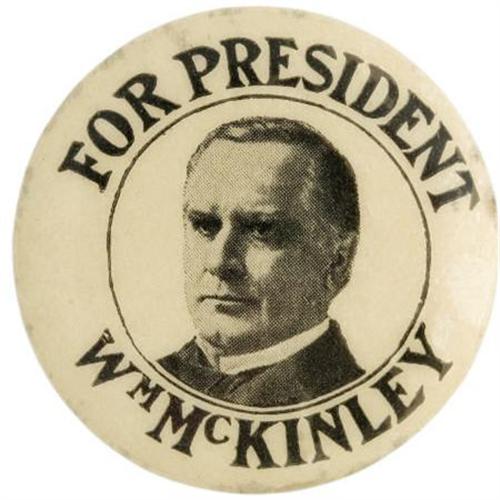
 Now we get to it: William McKinley doesn’t “deserve” to have a mountain named after him. That’s the hilarious argument of progressive-mouthpiece Vox, and it really is the height of hypocrisy, naked partyism, and a window into the corrupt and shameless mentality of the liberal pundit establishment.
President McKinley led the nation out of a terrible depression, and Vox explains that he deserves no credit for it at all because he was lucky. Well, in leadership and history, you get credit for luck, because doing everything brilliantly and still seeing your army, organization or nation go down the tubes isn’t being a great leader no matter how you spin it. This, as I have written before, is the central, operating myth being drummed into Americans’ minds by President Obama’s minions and journalist-enablers: it isn’t what really happens that matters, it’s what the President wanted to happen. It’s not the bad consequences of policies that we should pay attention to, but the good intentions under which they were undertaken.
That is, in a word, batty. But that’s what the echo chamber wants us to believe. It has reached its apotheosis of absurdity with the proposed Iran deal, which is being defended on the grounds that it is aimed at preventing a nuclear armed Iran, even though that is a goal it can’t plausibly achieve. But it is intended to make the world less dangerous, and that’s what matters.
I have tried to assess how many past Presidents would respond to this theory with “What?,” how many with “You must be joking!” and how many with, “Oh, sure, it’s worth a shot.” In the latter category, so far, I have Carter, Pierce, because he’d be drunk, maybe Ford, because he might not understand the question, and perhaps Wilson—certainly after his stroke. Continue reading

 Ethics Alarms