Ethics Train Wreck In A Little Teapot

I don’t understand this story at all.*
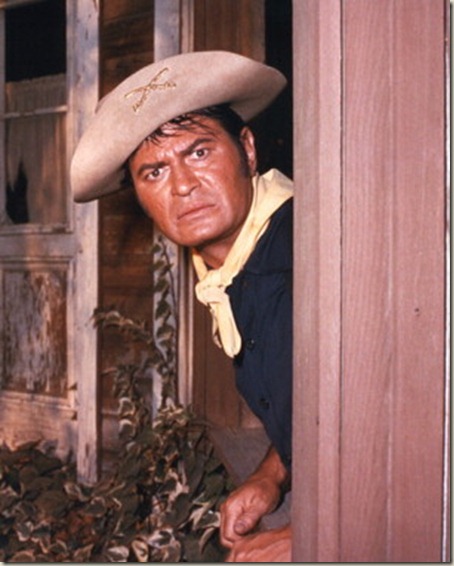
Not THAT Larry Storch! That Larry Storch made sense to me.

Larry Storch is no relation to the late comedian of “F Troop” fame, but is a defiant, uncivil 89-year-old scofflaw who insists on driving around his North Carolina community with his sound system at eardrum-popping levels. “They’ve been giving me noise tickets for years,” Storch said. “I guess they thought their tickets would deter me, but every time I paid off a ticket I’d stop by the speaker place on the way home and add a little more boom to my zoom.” Good for you, Larry; by the way, you’re an asshole. His latest arrest for breaking noise ordinances brought him before a judge who was ready to throw the book at Storch, but who had a peculiar way of doing it. Lenoir County District Judge Robert T. Ironside—who is no relation to the wheelchair-bound Robert T. Ironside played by post- “Perry Mason” Raymond Burr in a CBS detective show—told him:

“You’ve come before this court many times over the years Mr. Storch. In the past I’ve fined you, sentenced you to community service, and at one point even forced you to watch the fourth hour of the ‘Today Show.’ Since none of those punishments have done anything to curb your jackassory behavior, I’ve decided to get medieval on where your butt — if you had one — would be.” Continue reading

Ethics Dunce, Christmas Division: Jill Patella

The last Christmas gift Jill Patella got from her late husband, who died in 2007, was a six foot tall plastic statue of Santa Claus that loudlysings Christmas songs in a jolly baritone. In his memory, Jill decided to put the singing Santa on her front lawn this year, where he has been singing around the clock, driving her neighbors Lorillard Avenue in Union Beach, New Jersey to consider Santacide.

Jill explained her intentional infliction of the holiday noise pollution by telling reporters, “This year was the time. He [her late husband, not Santa] would have wanted me to live life again.”

She did not explain why she believes that her departed husband’s definition of “live life” was “show utter disregard for the neighbors.” Even if Mr. Patella was the kind of selfish, irresponsible person who believes that his tastes and desires trump the right of the people around him to enjoy their holidays without having to listen to a giant mechanical singing Santa, that would not excuse her for carrying on his unethical ways.

There is such a vast area of reasonable Christmas conduct between the insane poles represented by NPR’s Nina Totenberg apologizing for using the term “Christmas” on TV, and the in-your-face Christmas celebration represented by Jill Patella’s lawn concerts. Why do so many people have such a hard time locating it?

Ethics and the CALM Critics

The Commercial Advertisement Loudness Mitigation, or CALM Act, is now on the way to President Obama’s desk. The law addresses a long-time irritation to TV viewers, who have been complaining about television commercials booming out at ear-splitting volume as soon as a moderately-loud program takes a break. The advertising trick, which has been around for a while, has become even more blatant in recent years with availability of new sound technology. Some televisions have been equipped with devices that supposedly even out sound variations, but they do not completely solve the problem. The new legislation directs the Federal Communications Commission to require advertisers, within a year, to adopt industry technology aimed at lowering the volume on televised sales pitches.

This is a classic example of law doing what law is supposed to do: step in when individuals or organizations refuse to respect ethical values and cultural norms in the pursuit of their own self-interest, and set penalties to inspire them to engage in fair conduct, since “doing the right thing” isn’t motivation enough. Continue reading