Encore: “An Ethics Alarms D-Day Mission”

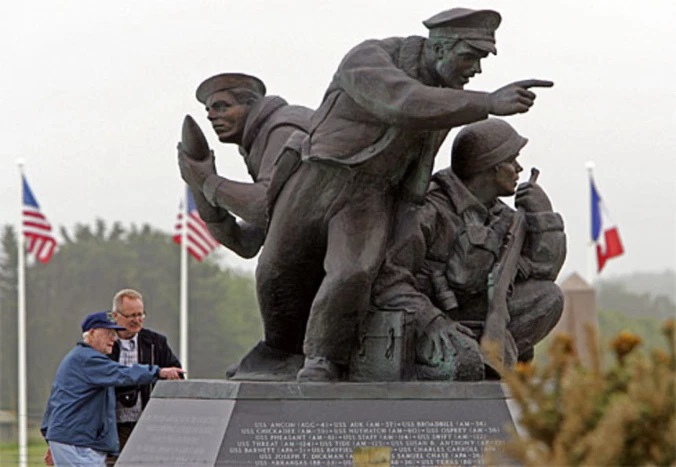
navy-memorial-normandy

I first posted this essay on Veteran’s Day several years ago, and I re-posted it on the anniversary of D-Day in 2021. The crucial facts of the June 6, 1944 invasion of Normandy that it discusses are still hardly ever mentioned, at least not when I’m around to read or hear it, in any news media or historical features about the battle for Omaha Beach. As I wrote originally and will state now, I don’t understand this. The ongoing mystery constitutes one more “duty to remember” crusade by your windmill-tilting host. So up the post goes again this June 6, as I fulfill my pledge to post it on every D-Day anniversary until this largely untold story is as familiar as the sight of Robert Mitchum, as Brig. Gen. Norman Cota, sicking a fresh cigar in his mouth and saying, as the final line in “The Longest Day,” “Run me up the hill, son!”

***

After all these many years of reading about and watching movies and TV shows about D-Day, June 6, 1944,  I discovered how the US Navy saved the invasion and maybe the world after stumbling upon a 2009 documentary on the Smithsonian channel.

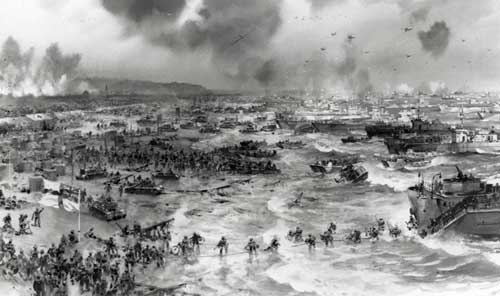
If you recall the way the story is told in “The Longest Day” and other accounts, US troops were pinned down by horrific fire from the German defenses on Omaha beach until Gen. Norman Cota (Robert Mitchum in the movie) rallied them to move forward, and by persistence his infantry troops ultimately broke through. Yet it was US destroyers off the Normandy shore that turned the tide of the battle at Omaha, an element that isn’t shown in “The Longest Day” (or “Saving Private Ryan”)at all.

Though it was not part of the plan, the captains of the Navy destroyers decided to come in to within 800 yards of the beach and use their big guns at (for them) point blank range to pound the German artillery, machine gun nests and sharpshooters. The barrage essentially wiped them out, allowing Cota’s troops to get up and over without being slaughtered. I’ve never seen that explained or depicted in any film, and according to the Smithsonian’s video, apparently it is a vital feature of the battle that had been inexplicably neglected. No monument to the US Navy commemorating its contributions on 6/6/44 was erected at Normandy until 2009.

Here’s the relevant part of account from the  Naval History website on “Operation Neptune,” the Navy counterpart to Operation Overlord:

Continue reading

Comment Of The Day: “An Ethics Alarms D-Day Mission…”

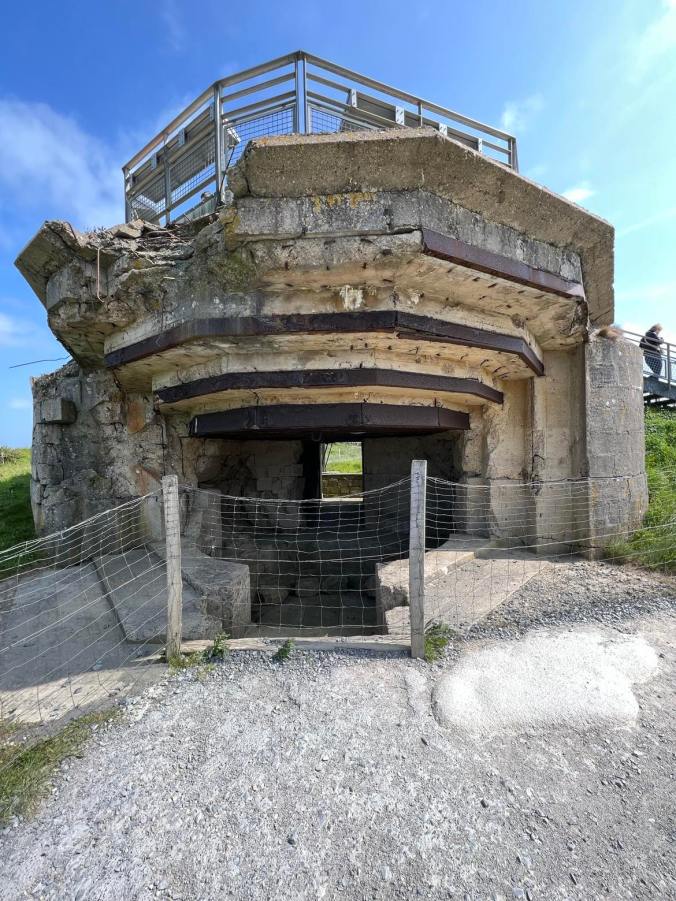
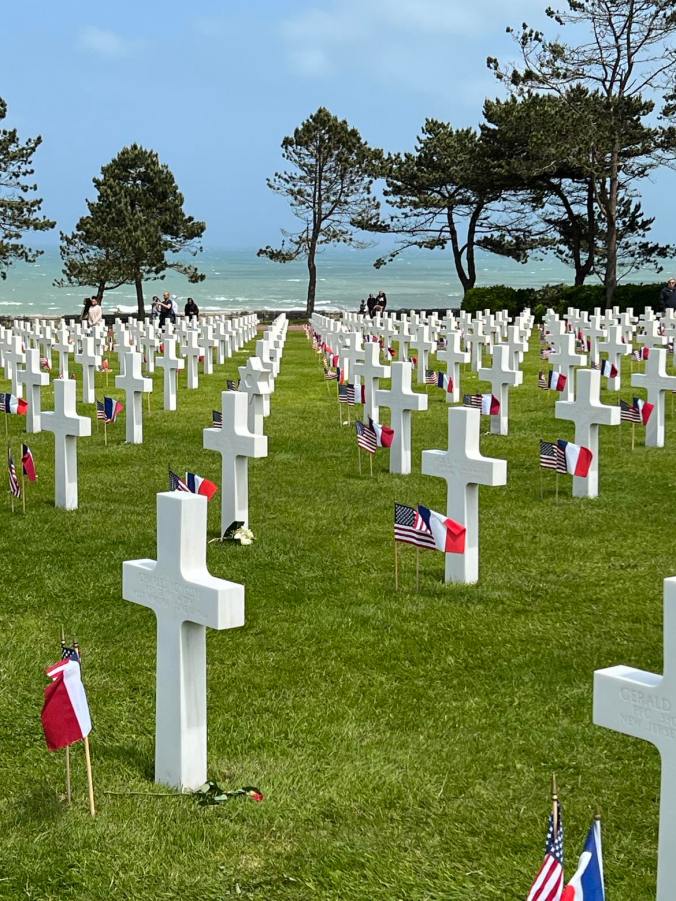
Michael, whose whole family is very dear to me, occasionally contributes a thoughtful comment here and this time brought me to tears with this Comment of the Day, his D-Day-inspired remembrances of his visits to Normandy. Those are some of his photos above: EA is honored to post both them and the post they represent.

***

Went to the beaches, yet again (been many times and always took guests who visited when we lived in France). I remain impressed by the outpouring of positive feelings from the residents of Normandy.

Although generations change, the memories are kept alive in the families. That is, no doubt, why the headstones at the American Cemetery have American and French flags planted by volunteers from the region.

Continue reading

An Ethics Alarms D-Day Mission: I’m Going To Post This Every June 6

navy-memorial-normandy

I first posted this essay on Veteran’s Day three years ago, and I re-posted it on the anniversary of D-Day two years ago. The crucial facts of the June 6, 1944 invasion of Normandy that it discusses are still never mentioned, or at least when I’m around to read or hear it, in any news media or historical features about the battle for Omaha Beach.

I don’t understand this, and the ongoing mystery sparks one more “duty to remember” crusade by your windmill-tilting host. So up the post goes again this June 6 and every D-Day anniversary henceforth, until readers start complaining, “Hey! Everybody knows about this!”

***

Continue reading

Ethical Quote Of The Day—D-Day, That Is : Gen. Dwight D. Eisenhower, Supreme Allied Commander

dday_landing

“Our landings have failed and I have withdrawn the troops. My decision to attack at this time and place was based on the best information available. The troops, the air and the Navy did all that bravery could do. If any blame or fault attaches to the attempt it is mine alone.”

—–Gen. Dwight D. Eisenhower, Supreme Allied Commander in Europe, as found on a piece of paper he wrote on just before the D-Day invasion began, and just after he ordered it to commence, on June 6, 1944.

Eisenhower wrote these words to be his own apology and acceptance of responsibility had the massive invasion at Normandy been a defeat rather than the history-altering victory it was.

It almost was a defeat, and as the note, which Ike’s naval aide, Captain Harry C. Butcher, found crumpled in his shirt pocket weeks later and saved for posterity, shows, Ike realized all too well that it might be. The secret dry run for the invasion had been a deadly fiasco, the weather was atrocious, and no military operation on this scale had ever been attempted before in the history of man. It took a combination of German mistakes, high command confusion, individual heroics and the usual twists and turns of chaotic fate that decide most battles to allow the Allies to prevail. Continue reading