“Passionate, organized hatred is the element missing in all that we do to try to change the world. Now is the time to spread hate, hatred for the rich.”
—-Roxanne Dunbar Ortiz, a retired professor from Cal State East Bay, addressing a rally this weekend of the Occupy Oakland group, which fought police in a pitched battle that ended with 400 arrests.
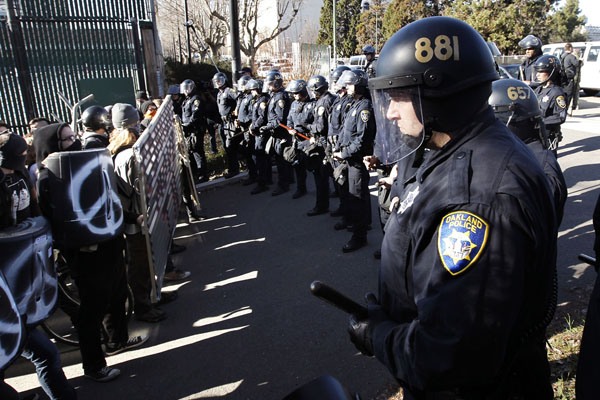 I said that the Occupy movement would end badly, and it is, not that it should have taken advanced psi-powers to divine that a protest based on ignorance, envy and anarchy with no practical and constructive proposals to offer would eventually end in violence, anger and ugliness. Hate is what it has come down to now, and the party and supporters of the President who came to office promising hope are now pinning their hopes on a sad movement fueled by hate. To say that the protests are also unethical is to flog the obvious. They have cost communities millions of dollars that will be made up in cut services; they have soiled parks and public places, they have provided a meeting place for thugs, vagrants, criminals, and worse ( an Occupier was arrested over the weekend for strangling his parents), and they have embodied a cultural rejection of personal responsibility.
Not to mention an escape from reality.“The fact that everyone now talks about the 99 percent, the 1 percent – that shows Occupy’s won,” Carter Lavin, 23, of Oakland told the press. “The debate was about debt, not jobs. Now it’s about jobs.”
Sure, Carter. Continue reading
 Ethics Alarms