
Ethics Dunce: Buzz Bissinger

It took about an hour after the  Barry Bonds verdict for the first ethics-challenged national sports writer to write something outrageous about it. Not surprisingly, it was Buzz Bissinger, a the member in good standing of the Daily Beast’s stable of annoyingly hypocritical, biased or appallingly cynical writers, Bissinger belonging to the last category.

His post, which pronounced the Barry Bonds conviction “a travesty” in the title, contained one ethics howler after another, any of one of which would have justified an Ethics Dunce prize.

Here they are:

“It is true that the case of Barry Bonds does hit a new low, a new low in the waste of millions of dollars of taxpayers’ money, a new low in the witch hunt of a player who, because he was considered surly and arrogant and unlikable, is now having intimate details of his life revealed (such as testicle shrinkage), a new low in outrageous abuse of government power.” Continue reading

The Bonds Verdict: Fair Enough

The results of the Barry Bonds trial, which today concluded with the jury finding baseball’s all-time home run champion guilty of obstructing justice by misleading a grand jury investigating the distribution of illegal and banned steroid to professional athletes but unable to agree on the perjury charges, helps to balance the ethical scales. It should silence the shameless Bonds defenders who misused the “innocent until proven guilty” standard to maintain poor Bonds was being unfairly suspected of inflating his biceps, head, statistics and income through the marvels of chemistry, though it was blatant and obvious in dozens of ways. Now he has been proven guilty—not of everything, but for celebrity justice, in a trial where much of the most damaging evidence was withheld from the jury, enough—, so the claims of racism and unfair prosecution will ring even hollower now. Continue reading

The Ethics of Nailing Barry Bonds

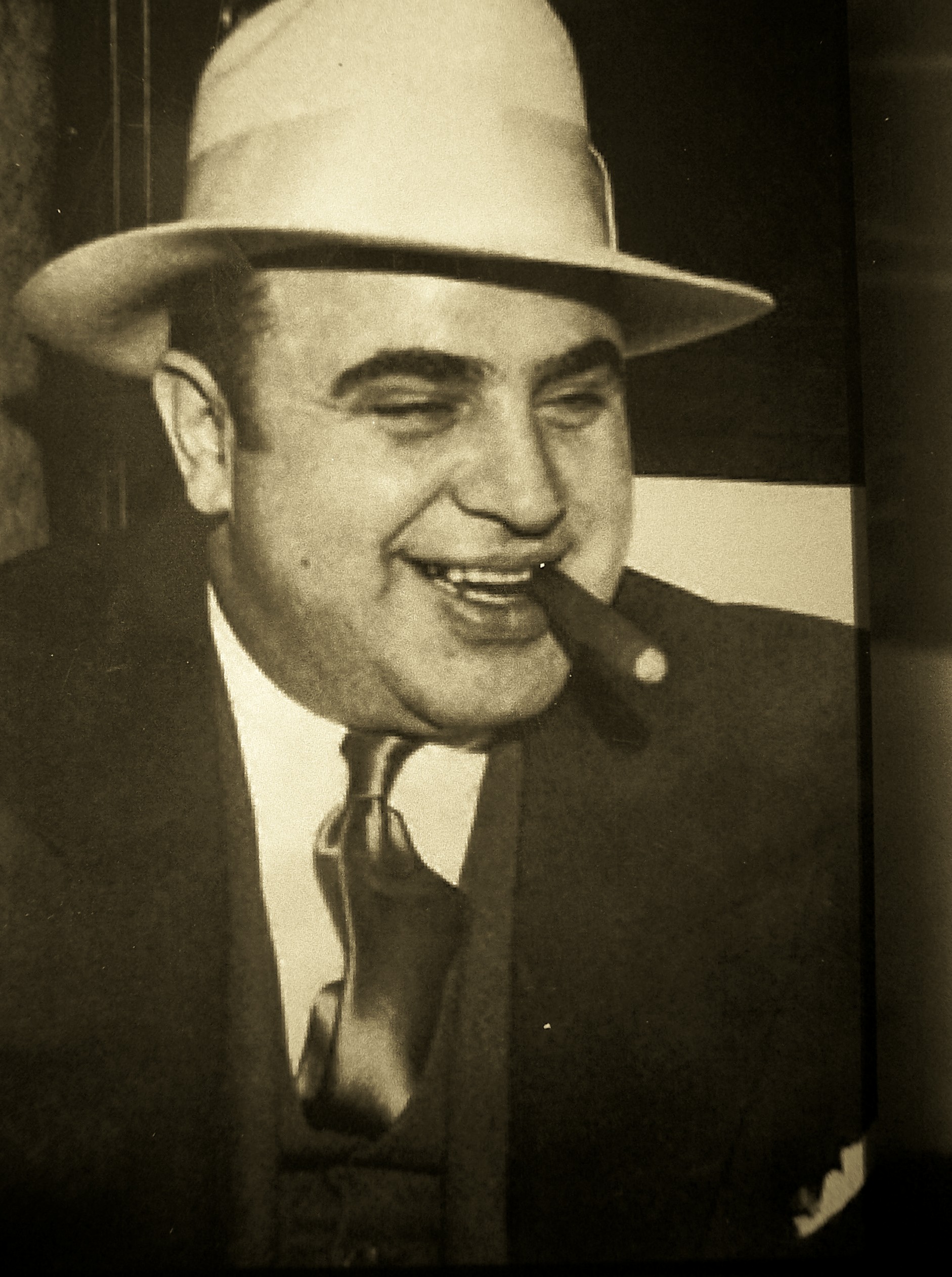
Is Barry Bonds getting the Al Capone treatment? Should we care?

Baseball’s all-time home run king Barry Bonds is finally on trial for perjury and obstruction of justice relating to his 2003 testimony before a grand jury that he never knowingly used steroids. It looks like he may get convicted too, even though the one man who could harm him most, his trainer and childhood pal Greg Anderson, once again has refused to testify and is in jail for contempt of court. (Many—including me— believe that Anderson has a promise of a pay-off from Bonds.)

Essentially everyone who isn’t actively trying to protect Bonds, completely ignorant of the facts of his career, or mentally handicapped knows he was lying and knew it at the time of the grand jury hearings. Barry has been both lucky and relentlessly dishonest, however, seemingly happy to spend the millions he made while cheating and permanently damaging his sport, and pleased with himself for retiring in possession of baseball’s most prestigious home run records, the most homers in a single season, and the most homers in a career.  That Bonds achieved these, and several of his Most Valuable Player awards, while enhanced with the surreptitiously induced body chemistry of a Bulgarian weight-lifter in the 1972 Olympics doesn’t seem to faze him at all. Meanwhile, critics are dredging up the old rationalizations to defend Bonds, none of which apply to his current fix. Continue reading

Quiz: Who is More Unethical, Jayson Blair or Dan Rather?

Yes, it's time for another ETHICS QUIZ!!!

Be careful! This one is tricky.

Jayson Blair, as most of you will remember, was a spectacular fraud in the New York Times newsroom, a star reporter who was sacked in 2003 after it was discovered that he had fabricated numerous stories

Dan Rather, in contrast, was a distinguished and respected reporter and CBS anchorman who  earned his accolades, but who was felled by a disgraceful episode in 2004 in which he conspired with a “60 Minutes” producer named Mary Mapes to use forged documents in support of a critical story about President Bush avoiding his duties when he was in the National Guard, which Rather presented on the air two months before the 2004 election. Continue reading

The Training Myth and Connick v. Johnson

The U.S. Supreme Court is deliberating on the issue of whether a District Attorney’s office can be held liable when individual prosecutors commit serious misconduct, on the grounds that the government breached its duty to train its prosecutors and ensure their competence. The case is Connick v. Thompson, and it began when it was discovered that a New Orleans man had been sent to Death Row for 18 years for a crime he hadn’t committed. John Thompson was innocent, and a lab report proving that the blood found at the crime scene belonged to someone else would have proven it. Prosecutors withheld the evidence from the defense attorneys.

When Thompson was freed he was understandably angry, but the options for redress when the criminal justice system ruins your life are severely and unjustly limited. In 1976, the Supreme Court decided in Imbler v. Pachtman that prosecutors have absolute immunity from lawsuits, even when there is genuine, malicious and illegal conduct. The Court acknowledged that its ruling “does leave the genuinely wronged defendant without civil redress against a prosecutor whose malicious or dishonest action deprives him of liberty,” but declared the alternative was worse: making prosecutors timid and fearful of making a mistake that could leave them penniless. The Court suggested that professional discipline would be enough to keep prosecutors honest, but that hasn’t been the case: a USA Today study found that even in egregious cases of prosecutorial misconduct, attorneys who put innocent people in jail almost never had to endure any punishment at all. Thompson sued the District Attorney’s Office on a theory of negligent training, and won 14 million dollars from a sympathetic jury. Now the Supreme Court is deciding whether such suit can stand in light of the ruling in Pachtman.

It should, but the theory behind the lawsuit is a myth, and I suspect that everyone knows it. Continue reading

The Ethics of Compensating the Unjustly Imprisoned

The New York Times last week published the stories of two men, in different states, who were recently freed from prison after it was proven that they were wrongly convicted. Michael A. Green spent 27 years in a Texas penitentiary for a rape he didn’t commit. Thomas Lee Goldstein was locked up 24 years ago for a murder committed by someone else.

The lives of both men have been destroyed, obviously. The important question now is, who is accountable? What is owed to a human being who has been robbed of what should have been the best and most productive years of his life, and who owes it?

Both men will be getting some compensation from the state governments involved, though obviously no amount of money could make them whole: what would you accept in exchange for spending the years from 35 to 60 in a maximum security prison? Goldstein settled a lawsuit for nearly eight million dollars; Green is mulling an offer of $2.2 million from Texas, and may decide to sue to get more. 2.2 million dollars for 27 years in prison…let’s see, that works out to less than $81, 500 a year. Should he take the deal? I would not accept 2.2 million dollars to spend one year in jail, much less 27. Continue reading

When the Police Lie to Convict the Guilty

Gene Weingarten, the Washington Post columnist, wrote about his recent experience as a juror. It was a trial of a man accused of selling $10 of heroin to an undercover officer. Weingarten professed to be annoyed that such a small amount would justify an arrest and trial; he’s just wrong about that. Dealing a dangerous prohibited drug is still dealing, no matter what the amount. I know this is the kind of case that gets the legalize-drugs-so-we don’t-put-so-many-people-in-jail crowd all self-righteous, but “a smidgen of heroin dealing” still supports a destructive social problem, and law abiding citizens don’t deal even a little smack.

That’s not really the issue here, however.

Weingarten was convinced that the defendant was guilty beyond a reasonable doubt. He was also convinced that the police were lying. Continue reading

The Ethics of Letting a Lying Defendant Testify

It’s snowing like crazy outside, and I’m stuck putting the lights on a nine-foot tree.  My only escape from the pine needles assaulting my tender skin is ethics reverie, and I find myself thinking, once again, about the classic criminal defense attorney’s ethical challenge:

What do you do when your guilty client wants to claim he’s innocent in the witness chair, under oath? Continue reading