The Bill James Effect, Or How Nature Conspires To Make Us Irresponsible

Quiz: What do Gen.Lee and Bill James have in common?

You see, our strengths do us in, sooner or later. The greater the strength, the more successful it has made us, the more dangerous it is.

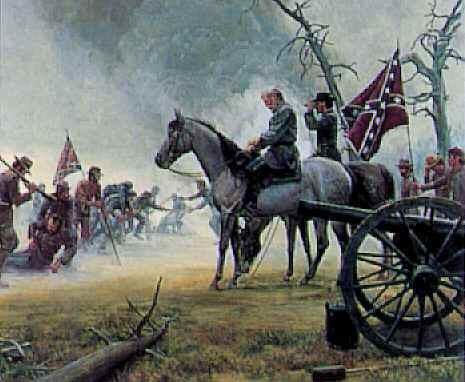
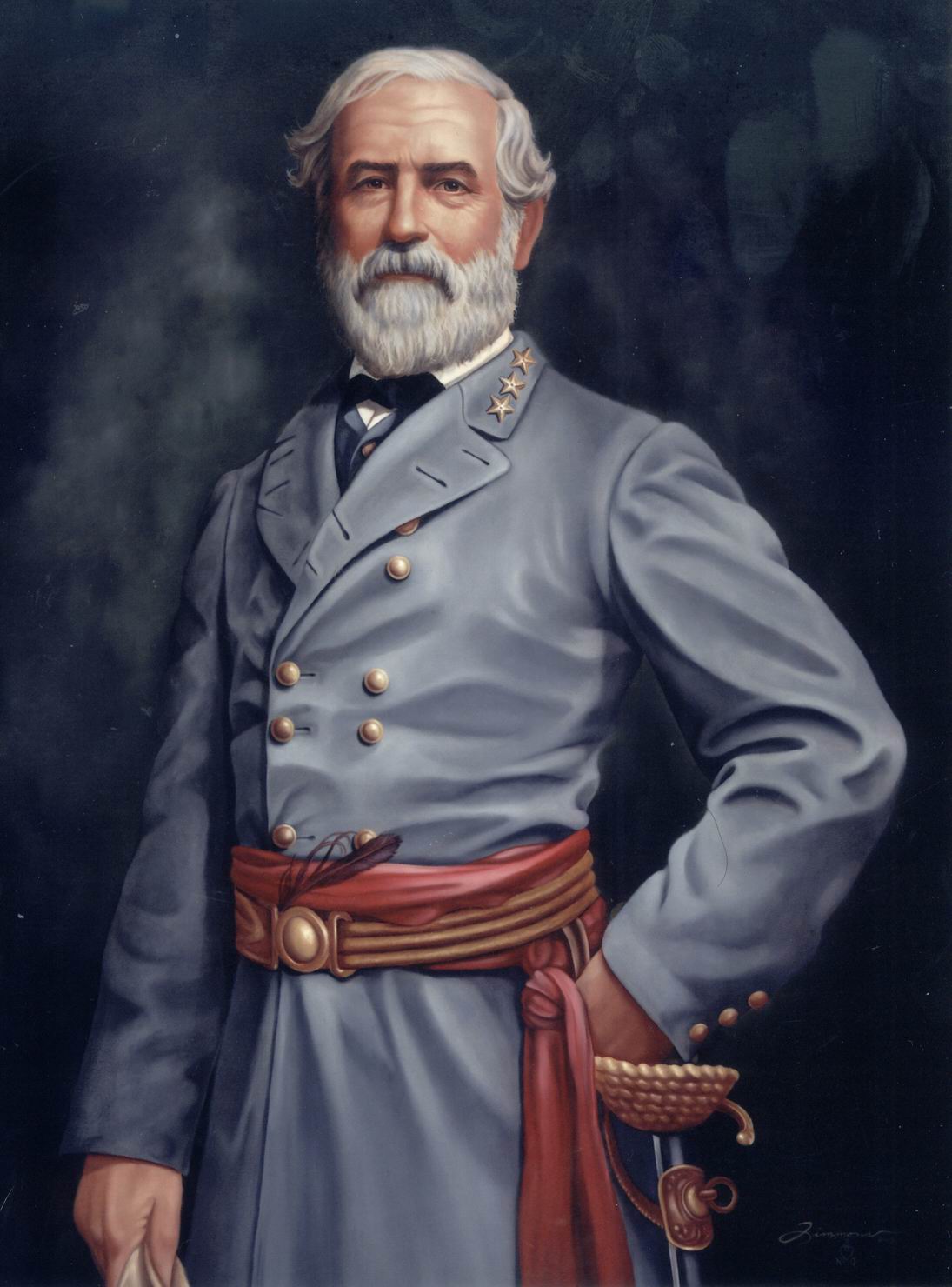
In the American Civil War, Robert E. Lee was the smartest general on the field…so smart that he broke iron-clad rules of battle strategy again and again, and prevailed every time. When everyone told him how it was usually done, always done, Lee knew that he could get an edge by doing something else. You never divide your forces, his aides, subordinates and the military books told him. So Lee did, at Chancellorsville, and won an incredible victory.

Then came July 3, 1863: the final day of the Battle of Gettysburg, and Pickett’s Charge. Everyone told Lee that a massed Napoleonic assault, over an open field, into enemy artillery and a fortified line, was suicidal. But when conventional wisdom dictated a course of action, that was when Lee had always succeeded by ignoring it. So he ordered Pickett’s Charge. This time, conventional wisdom was right. The same qualities of creativity, courage, certitude, and willingness to resist the power of convention that had caused Lee’s men to trust him unconditionally had resulted in the massacre of thousands. Pickett’s Charge wasn’t bold or ingenious. It was irresponsible. Lee, because of a lifetime of success challenging what others thought was obvious, was no longer able to tell the difference. Continue reading

The Ethical Duty To Correct Stupidity

The Martin Luther King Memorial was unveiled without the commission responsible for it bothering to fix what has been almost unanimously condemned as an embarrassing mistake, a rephrased, out-of-context quote on the sculpture base (“I was a drum major for justice, peace, and righteousness”) that misrepresents Dr. King’s career and was also something he never said. This is inexcusable, but at least the boob who unilaterally made the decision spelled “righteousness” correctly. The sign above is emblematic of a different ethical problem, the widespread abdication of the shared obligation to speak up when one sees someone else making a really stupid mistake. Continue reading

Custer, Gettysburg, and the Seven Enabling Virtues

Sometimes the Enabling Virtues will save an army, and sometimes they’ll get you killed.

July 3, 1863 was the date of Pickett’s Charge, when Confederate General Robert E. Lee ordered a desperate Napoleonic advance against the Union line at Gettysburg in what has come to be a cautionary tale in human bravery and military hubris. The same day marked the zenith of the career of George Armstrong Custer, the head-strong, dashing cavalry officer who would later achieve both martyrdom and infamy as the unwitting architect of the massacre known as Custer’s Last Stand.

Custer’s heroics on the decisive final day of the Battle of Gettysburg teach their own lessons, historical and ethical. Since the East Calvary Field battle has been thoroughly overshadowed by the tragedy of Pickett’s Charge, it is little known and seldom mentioned. Yet the truth is that the battle, the war, and the United States as we know it may well have been saved that day by none other than undisciplined, reckless George Armstrong Custer. Continue reading

Remember Gettysburg

Today is July 1, which is being treated across the United States as the gateway to a long weekend and the Fourth of July, and little more. July 1 is also, however, the anniversary of the first day of the Battle of Gettysburg, the most important and most deadly battle of the many important and deadly conflicts in the American Civil War. The two American armies that clashed in the Pennsylvania town sustained more than 50,000 casualties on the Gettysburg battlefield, which may be the saddest and noblest place in America.

If you have not made at least one pilgrimage to the battlefield, you owe it to yourself, and to the memory of the combatants, to go. Continue reading

The Judgement Day Leader’s Cowardly Ethics Failure

"It is all my fault."

After the catastrophic miscalculation of Pickett’s Charge led to the slaughter of his soldiers and the loss of the pivotal Battle of Gettysburg, Confederate General Robert E. Lee   met the bloody survivors returning from the field of fire, telling them, one by one, “It is all my fault!” To Pickett, whose division was all but wiped out, he said, “Upon my shoulders rests the blame.”

I am no admirer of Robert E. Lee, but this was his finest moment as a leader, and an example for all leaders who are followed in faith and meet disappointment or worse.  I wrote two days ago that Harold Camping, the evangelical broadcaster who proclaimed with absolute, 100%  certainty that his calculations foretelling the end of the world on May 21 were correct, had better be prepared to be held accountable when we were all still here on May 22. He wasn’t. From Reuters:

” With no sign of Judgment Day arriving as he had forecast, the 89-year-old California evangelical broadcaster and former civil engineer behind the pronouncement seemed to have gone silent on Saturday. Family Radio, the Christian stations network headed by Harold Camping which had spread his message of an approaching doomsday, was playing recorded church music, devotionals and life advice unrelated to the apocalypse.” Continue reading

The Ethics of Dithering

At some point, delaying  an important leadership decision stops being resposnible, and begins being unethical.

The White House put out word today that President Obama’s decision regarding troop levels in Afghanistan is on the verge of being revealed. When it is, a few things are certain. If his decision is to increase troop levels to the degree requested by the Pentagon, Obama’s pacifist Left supporters will be furious. If it is to withhold more troops and prepare for U.S, withdrawal, supporters of an aggressive war policy on the Right will go on the attack. If it is anything in between, neither of these camps will be happy.

It is also certain that nobody will be able to tell if what the President has decided is the “right” decision. Continue reading