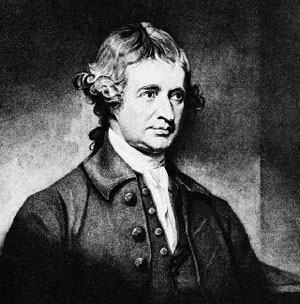
So...any chance of you coming out of retirement, Ed?
“Parliament is not a congress of ambassadors from different and hostile interests; which interests each must maintain, as an agent and advocate, against other agents and advocates; but parliament is a deliberative assembly of one nation, with one interest, that of the whole; where, not local purposes, not local prejudices, ought to guide, but the general good, resulting from the general reason of the whole. You choose a member indeed; but when you have chosen him, he is not member of Bristol, but he is a member of parliament. If the local constituent should have an interest, or should form an hasty opinion, evidently opposite to the real good of the rest of the community, the member for that place ought to be as far, as any other, from any endeavour to give it effect.”
—-Edmund Burke, British political theorist, philosopher and statesman, in his speech to the electors at Bristol, November 3, 1774
Why Burke’s principles are relevant today should be obvious. What is depressing is that I have to resort to quoting an 18th Century statesman to express them, because no current elected officials in the United States seems to be capable of either articulating such ideals or acting accordingly.
Thanks to Ethics Bob Stone for reminding me of one of Burke’s best speeches.
 Ethics Alarms