John Simon, long the toughest of American theater critics and undeniably the most erudite and eloquent writer among them, has launched a blog. His very first post is on an ethical issue: is it ever appropriate for a critic to review a Broadway show that is still in previews? 
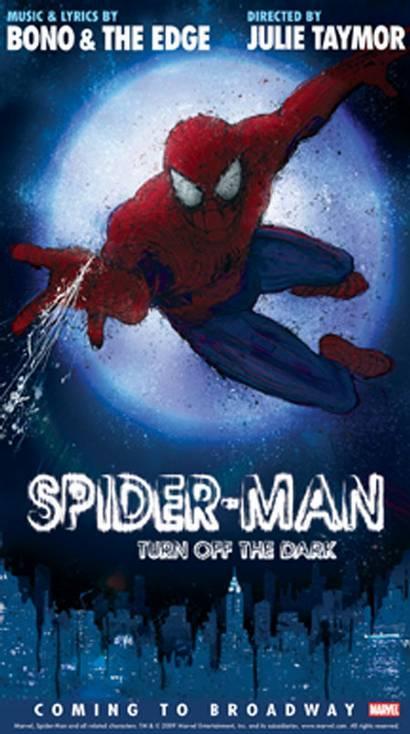
The issue has emerged because the much-anticipated and incredibly expensive Spiderman musical, Spiderman: Turn Off The Dark, has been engulfed in all kinds of intrigue since the very first preview: falling actors, injuries, malfunctioning sets and special effects, and most recently the surprise withdrawal of the show’s leading lady. A couple of critics, Jeremy Gerard of Bloomberg News and Linda Winer of Newsday could not resist paying for tickets and coming uninvited to performances, resulting in one diagnostic feature story on the production’s progress (by Winer) and one full, and not very complimentary, review by Gerard. Simon properly calls foul, describing the act of reviewing a show before its official opening as the equivalent “grabbing a dish from a restaurant kitchen before it is fully cooked, and then judging the meal by it.”
Exactly. The critics have their rationalizations ready, naturally. The musical is the most expensive in Broadway history. Is that a reason to suspend critical fairness? There is unusual interest in the show and its pre-opening travails. Should the degree of interest suspend long-standing critical standards? The usual excuse, also trotted out in this case, is that preview audiences are paying regular show prices—up to $300 a seat—to see the production right now. Isn’t this a case of “the public has a right to know” if the show is a stinker or not?
No, it isn’t. Broadway audiences know that previews are early glimpses of works in progress, and that is part of their appeal. The audiences for previews are part of the creative process, for how they react to a performance will help decide what stays and what gets cut. The prices they pay for the privilege of being Broadway guinea pigs are fair if they choose to pay them. Continue reading →
 Ethics Alarms