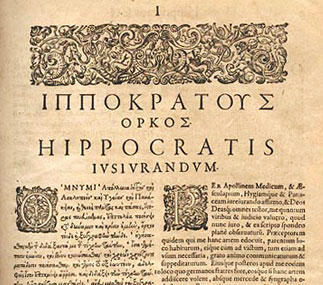
It’s all Greek to “The Ethicist”!
The third New York Times writer to take over the mantle of “The Ethicist” column, Chuck Klosterman, may be the most reliable yet, but he ended up wandering into the ethical weeds in his recent advice to an ethically-perplexed doctor, and engaging in advice column malpractice.
A physician asked him what was his ethical course when a patient divulged to him that his persistent headaches may have arisen from the stress of keeping a secret: he was responsible for a crime that had been pinned on an innocent man. Before the consultation, the doctor had promised his patient that “whatever he told me would not leave the room.” Now the physician was having second doubts, and wondered if he was right to keep the confidence to his patient at the expense of an innocent man’s freedom and reputation.
Klosterman’s answer:
“I would advise the following: Call the patient back into your office. Urge him to confess what happened to the authorities and tell him you will assist him in any way possible (helping him find a lawyer before going to the police, etc.). If he balks, you will have to go a step further; you will have to tell him that you were wrong to promise him confidentiality and that your desire for social justice is greater than your personal integrity as a professional confidant.”
First of all, I don’t understand why a doctor is asking this question to a newspaper ethicist unless he doesn’t like what professional and medical ethicists are telling him. Klosterman, in reaching his reasonable-sounding but flat-out wrong reply, simply discards the concept of professionalism, beginning with the Hippocratic Oath…. Continue reading


 Ethics Alarms