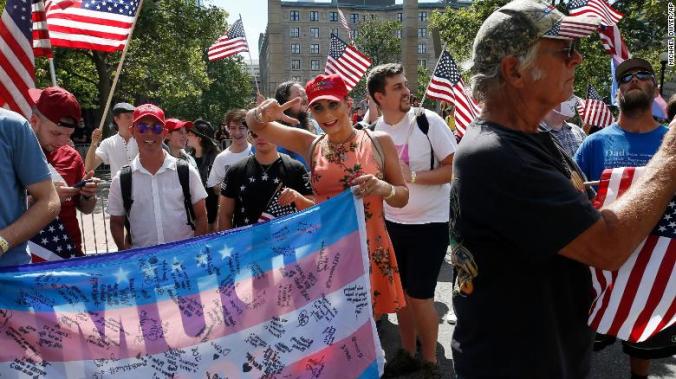
As Buffalo Springfield noted in its 1966 hit “For What It’s Worth”…
What a field-day for the heat
A thousand people in the street
Singing songs and carrying signs
Mostly say, hooray for our side.
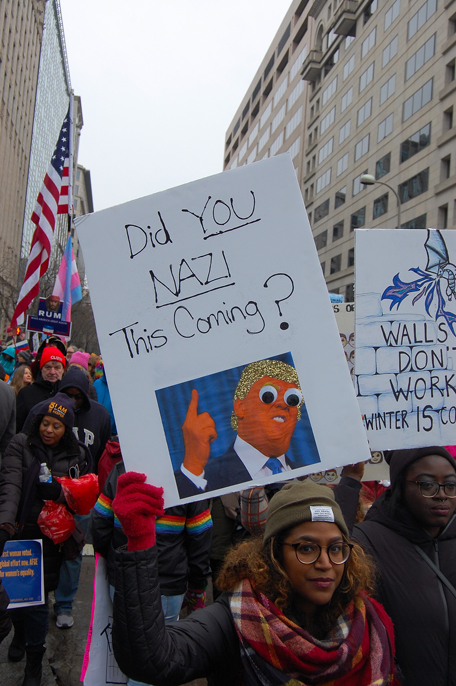
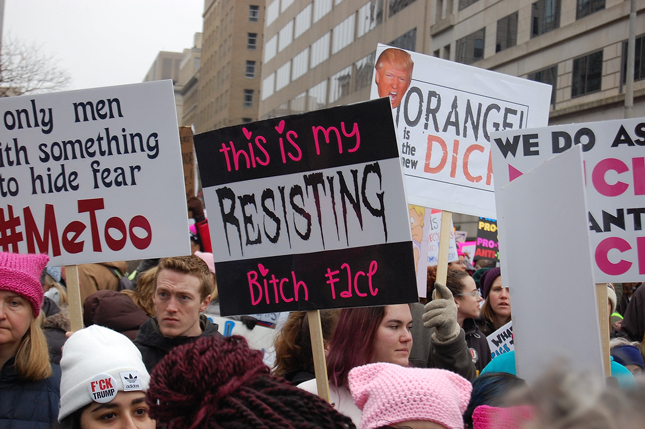
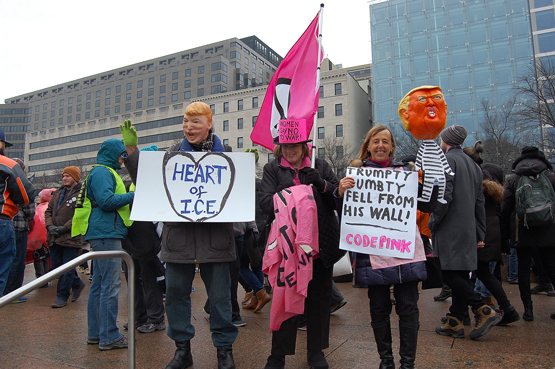
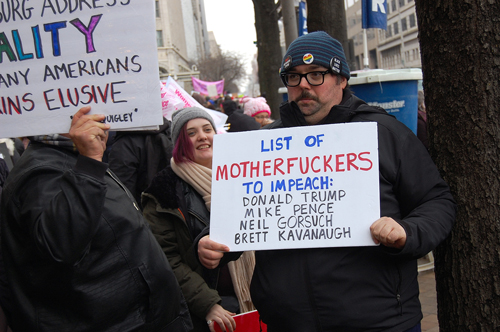
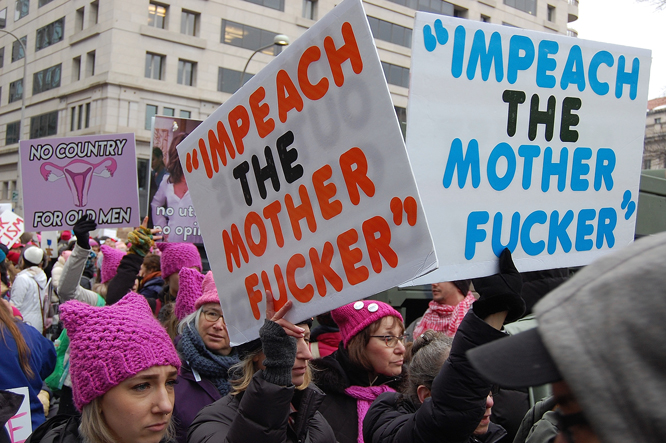
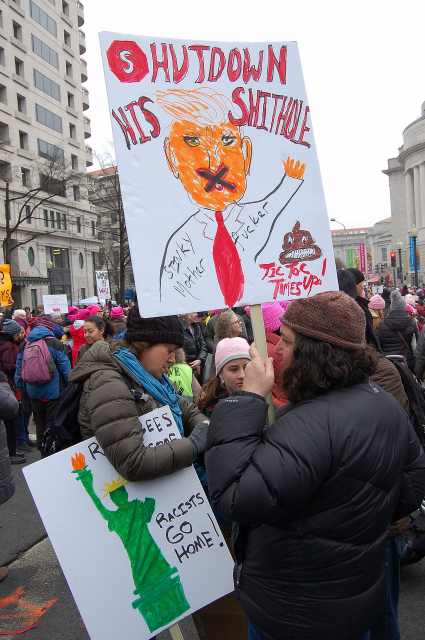
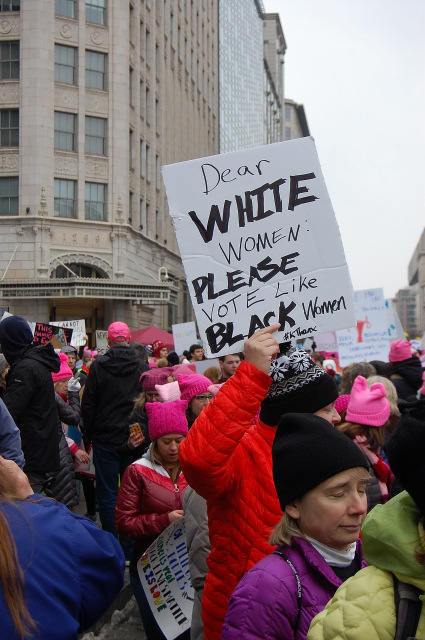
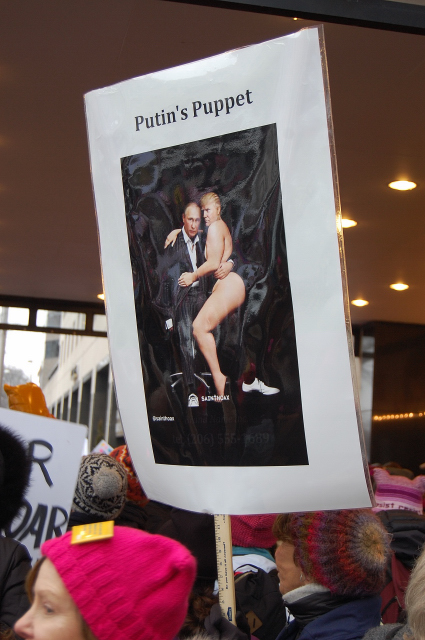
That pretty much sums up most demonstrations and protests, making them a destructive waste of time, emotion, and city budgets. In the Ethics Alarms Rule Book to your right (there is a lot of good stuff on your right, and I would estimate that almost no one bothers to check it out) is the 12 Question Protest Ethics Checklist. Studies say most people don’t click on links, either, so here is what you would find if you did:
Protesters, no matter what they are protesting, have an ethical duty to ask themselves these ten questions before they stop traffic, jam networks, take over buildings or otherwise make life miserable for people who have little or nothing to do with what is being protested:
1. Is this protest just and necessary?
2.Is the primary motive for the protest unclear, personal, selfish, too broad, or narrow?
3. Is the means of protest appropriate to the objective?
4. Is there a significant chance that it will achieve an ethical objective or contribute to doing so?
5. What will this protest cost, and who will have to pay the bill?
6. Will the individuals or organizations that are the targets of the protest also be the ones who will most powerfully feel its effects?
7. Will innocent people be adversely affected by this action? (If so, how many?)
8. Is there a significant possibility that anyone will be hurt or harmed? (if so, how seriously? How many people?)
9. Are you and your group prepared to take full responsibility for the consequences of the protest?
10. Would an objective person feel that the protest is fair, reasonable, and proportional to its goal?
11. What is the likelihood that the protest will be remembered as important, coherent, useful, effective and influential?
12. Could the same resources, energy and time be more productively used toward achieving the same goals, or better ones?
Protesters or demonstrating groups seldom consider these questions, but if they did, they would have to answer the majority of them, and probably all in most cases, with a response that suggests that they should be doing something else. There have been a few exceptions in my lifetime—very few—but yesterday’s fiasco in Boston, my old stomping grounds, is sadly typical.
This dork…

…organized a “Straight Pride” parade in downtown Boston, the equivalent of trolling-by-demonstration. I get it: if Gay Pride parades are not considered anti-straight, then there is no reason why a Straight Pride parade should be considered as anti-LGBTQ. If, however, one already knows that such a demonstration will be received as such (double standards being the order of the day) then the Second Niggardly Principle applies… Continue reading




 Ethics Alarms
More self-flagellation is in order: the problem when one gets behind in posting important Comments of the Day, new entries tend to push themselves into line, making it harder to catch up. The quiz about whether CNN was ethical to fire Marc Lamont Hill spawned this too- interesting- to- put- off discourse on the use of violence in activism in the U.S. To recap, Hill had told the U.N, in the course of advocating pushing the Jews into the sea,
To this,seasoned Ethics Alarms commenter Isaac wrote,
This sparked Michael R’s Comment of the Day on the post Ethics Quiz: CNN And Marc Lamont Hill: