Unethical Excuses From All Over: Time Magazine, Richard Cohen, and Toronto

escuses

Caught red-handed in unethical conduct, the right, honest, courageous and yes, practical thing to do is to admit wrongdoing, eschew excuses, acknowledge fault, express contrition, and resolve not to behave in a similar manner again. Unfortunately, this is difficult for many people, especially, it seems, those in the public eye. Another reason it is difficult is that people who engage in grossly unethical conduct tend to gravitate to unethical responses when they are called to account for it.

We are currently awash in examples of this phenomenon:

I. Time explains that its fat slur cover on Chris Christie wasn’t what it seemed.

Ethics Alarms was one of the first to call foul on Time’s unprofessional “Elephant in the room” cover on New Jersey Governor Chris Christie, and the condemnation of it was almost universal. There was no defense for this, a purely juvenile and biased insult masked as journalism. An ethical organization would have immediately responded:

‘Time used poor judgment in its language on the recent Chris Christie cover, which was gratuitously insulting to the Governor and millions of Americans. It was wrong to mock the governor because of his weight, as it is wrong to denigrate anyone based on their physical appearance. This was a failure of our editing process, by our staff, and of the entire organization, which failed to meet the high standards of professionalism, fairness, civility and integrity that Time has traditionally strived to meet, and has met in the past. We apologize to Governor Christie and our readers. Everyone should expect better of Time magazine, and we betrayed that trust. We vow to work diligently to regain it.’

But noooooooo!

What Time really did was… Continue reading

More Integrity Test Results: The Bad, The Cynical, The Desperate, The Ugly And The Mind-Blowingly Stupid

denial1The last couple of days have added more embarrassing examples of desperate supporters of the Democrats, President Obama and/or the Affordable Care Act thoroughly disgracing themselves by adopting rationalizations, distortions, denial, tortured reasoning and worse to avoid holding President Obama accountable for intentionally misleading the American people for more than three years regarding whether they could keep their healths plan if they liked them, “period.”

Two aspects of this disgusting spectacle are remarkable. One is that there is such a wide and creative variation among the integrity-defying tactics taken by this distinguished assortment of pols, elected officials, hacks, flacks, pundits and journalists. The other is that after this is all over, nearly half the American public will still loyally insist on trusting the promises and pronouncements of this very same group, though they proved themselves, in this episode, untrustworthy beyond a reasonable doubt. The first of these developments is surprising. The second extinguishes all hope.

Now the latest additions to the list of shame:

  •  David Axelrod, Obama political advisor. Today on “Meet the Press, ” Axelrod chose as his truthbuster the rationalization that since the President wasn’t lying to all of the Americans he was addressing, he wasn’t lying at all. Continue reading

CBS’s “Blue Bloods”: Endorsing the Saint’s Excuse and Polk County Justice


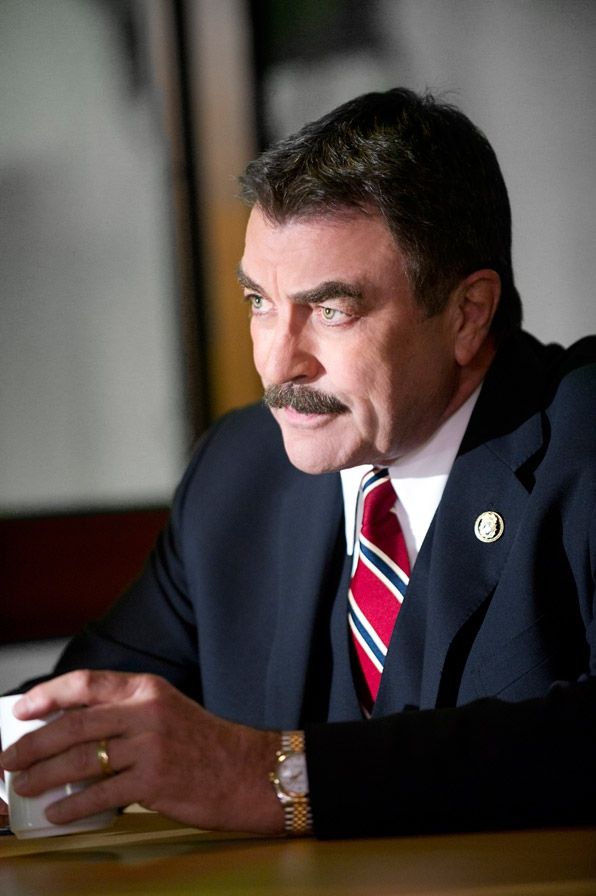
Time for the department ethics training, Chief. You should sit in on it too...

Time for the department ethics training, Chief. You should sit in on it too…

“Blue Bloods,” Tom Selleck’s New York police family drama on CBS, began as a paean to the core values of public service, nobility, justice, courage and honesty as it chronicled the work and lives of three generations of the Reagan family. The Reagan men are all cops, the one female is a DA, and Selleck is the paternal Chief of Police. Based on last night’s episode, “The Truth About Lying,” series creators Mitchell Burgess and Robin Green have permitted the show’s writing staff to be infiltrated by the Dark Side in its fourth season, and now its calling cards will include the enthusiastic promotion of the abuse of power and the celebration of lying as long as it’s all for a good cause. That’s the Saint’s Excuse, one of the most deadly of the rationalizations, in which “good” people decide that they are empowered to do unethical things in the pursuit of what they believe are worthy goals. The Saint’s Excuse is something of a theme in the United States these days. Now “Blue Bloods” is making sure popular culture spreads the word.

The episode, which you can watch here, was ostensibly about Selleck’s Chief’s efforts to foil the city’s newly appointed “inspector general,” installed in the wake of a “ripped from the headlines” court rejection of an effective “stop and frisk” program by New York’s finest. Continue reading

“Print the Legend” Ethics (Again): Does It Matter If Matthew Shepard’s Death Was Really A Hate Crime?

Powerful story; moving story; useful story. Does it matter if it isn't a true story?

Powerful story; moving story; useful story. Does it matter if it isn’t a true story?

It apparently matters to a lot of people for the wrong reasons—unethical reasons, in fact. As a result, legitimate efforts to determine what really happened to the gay rights icon, then a 21-year-old University of Wyoming student, who was beaten,  tortured and murdered  in Laramie, Wyoming  in 1998, have been exploited for ideological goals by adversaries of gay rights, and attacked by the media, gay rights advocates and good progressives everywhere. Just as it is important to the civil rights establishment, the black grievance community and anti-gun advocates that Trayvon Martin be seen as the innocent victim of a racist vigilante with murder in his heart—a characterization of Martin’s murder at war with all known facts and rejected by a jury after a fair trial—thus is it crucial to gay advocacy groups and others that Shepard be remembered as the victim of a hate crime, brutally killed because he was gay.

And facts be damned. Continue reading

Rationalization # 35: Victim Blindness, or “They/He/She/ You should have seen it coming.”

"Yup, should have seen THIS coming..."

“Yup, should have seen THIS coming…”

Mark Draughn, who blogs at Windypundit, proposed this latest addition to the Ethics Alarms Rationalizations list,  after I forgot to add it to the list in December 2012, when it was first proposed by reader Dwayne Zechman. It is an excellent one, and both Dwayne and Mark deserve the credit for it.

Asserting the rationalization of Victim Blindness attempts to shift responsibility for wrongdoing to the victims of it, who, the theory goes, should have known that their actions would inspire the conduct that caused them harm, and thus they should have either avoided doing what sparked the unethical response, or by not doing so waived their right to object to it. This is closely related to a sub-category of #7, The Tit-For-Tat Excuse, which holds that one party’s unethical conduct justifies similar unethical conduct in return. The sub-category is “They asked for it.” Victim Blindness is similar, but it applies even greater responsibility to victims: whether they asked for it or not, they should have known their actions would be met with this unethical response, and their ignorance,  carelessness or stupidity constitutes a waiver of ethics. Continue reading

Cher’s Ethics Tweets

Lan 159

Earlier this week, Cher used her interview with USA to take some well-aimed pot-shots at Miley Cyrus’s universally loathed “twerking” antics on the MTV Awards show. She said of Cyrus

“”I’m not old fashioned. She could have come out naked, and if she’d just rocked the house, I would have said, ‘You go, girl.’ She could have come out naked, and if she’d just rocked the house, I would have said, ‘You go, girl.’ It just wasn’t done well. She can’t dance, her body looked like hell, the song wasn’t great, one cheek was hanging out. And, chick, don’t stick out your tongue if it’s coated. If you’re going to go that far, then think about it before you do it.

These are wise words from a veteran and proven performing star to a young one on the way up, or heading for a crash. Essentially, Cher is stating the principles of professionalism: whatever you do, do it right, do it well, and respect your constituency. Cher has the bona fides to offer such an opinion since she has stretched the lines of sexual propriety on stage more than once, but it was always used as an additional enhancement on the way to her “rocking the house.”

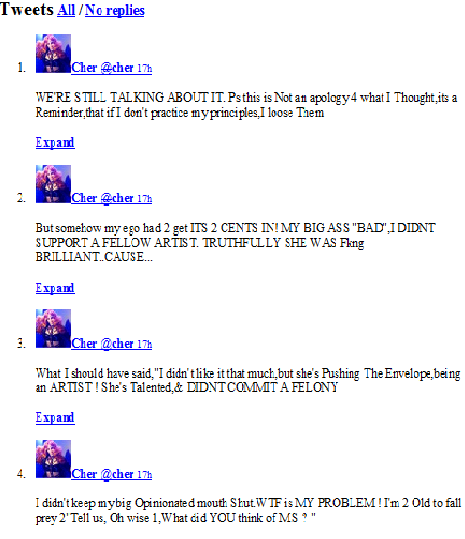
The legendary pop diva was apparently surprised that her comments became a one-day sensation on the gossip websites and cable entertainment shows, and  had second thoughts about them, which she communicated in a couple of tweets to the Twitterverse. In Cher-ese, they are all about ethics:

Chers Tweets

Translation: Continue reading

Two New Rationalizations Added To The List: “Success Immunity” and “The Tortoise’s Pass”

The Ethics Alarms Rationalizations List keeps growing, and proof that it will eventually be much, much longer is in the fact that the most recent additions are old, common, and popular. Human beings are so talented at concocting lies that make them feel better about doing the wrong thing, or continuing to support friends, family members, colleagues or personal heroes who do the wrong thing. I have been meaning to include The Tortoise’s Pass for quite a while, and then a commenter on the post about the charter school that banned dreadlocks used “They must be doing something right!” as a cornerstone of her comment defending the rule. I realized that I had neglected a classic. Well, “Better late than never!”

The whole list, now 34 strong, is here. Here are the new entries:

33.  Success Immunity, or “They must be doing something right!Continue reading

No, Mary, A Cure For Down Syndrome Isn’t Wrong, But Infecting Readers With Your Warped Ethical Reasoning Is

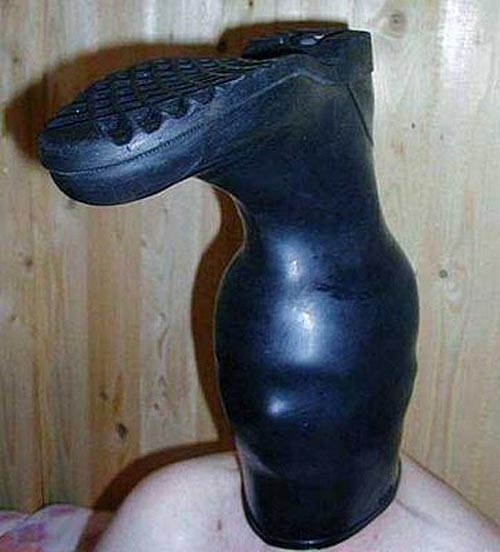
Let me know when Mary's gone and it safe to take my boot off.

Let me know when Mary’s gone and it’s safe to take the boot off.

The internet can carry the contagion of horrible reasoning with astounding speed, especially since so many of us have been slow to accept that being published no longer creates any likelihood that a writer has a coherent thought worth reading. Even knowing this, I was still taken aback by the startling ethics illiteracy on display in blogger Mary Fischer’s post  titled “Possible ‘Cure’ for Down Syndrome Seems So Wrong.” This is the kind of undisciplined, emotion-driven, bias and rationalization besotted thinking about life issues that Ethics Alarms was launched to combat, and yet reading Fischer’s sloppy substitute for thought, I still found myself wondering: How does someone get this way? How do they function in life if their method of determining right from wrong reaches conclusions like this? How many people read posts so devoid of anything resembling legitimate ethical analysis and  allow it to become part of their belief system?

I’m not even sure that I want to know the answers to these questions. Continue reading

Hustle

Diligence. Integrity. Responsibility. Reliability. Trustworthiness

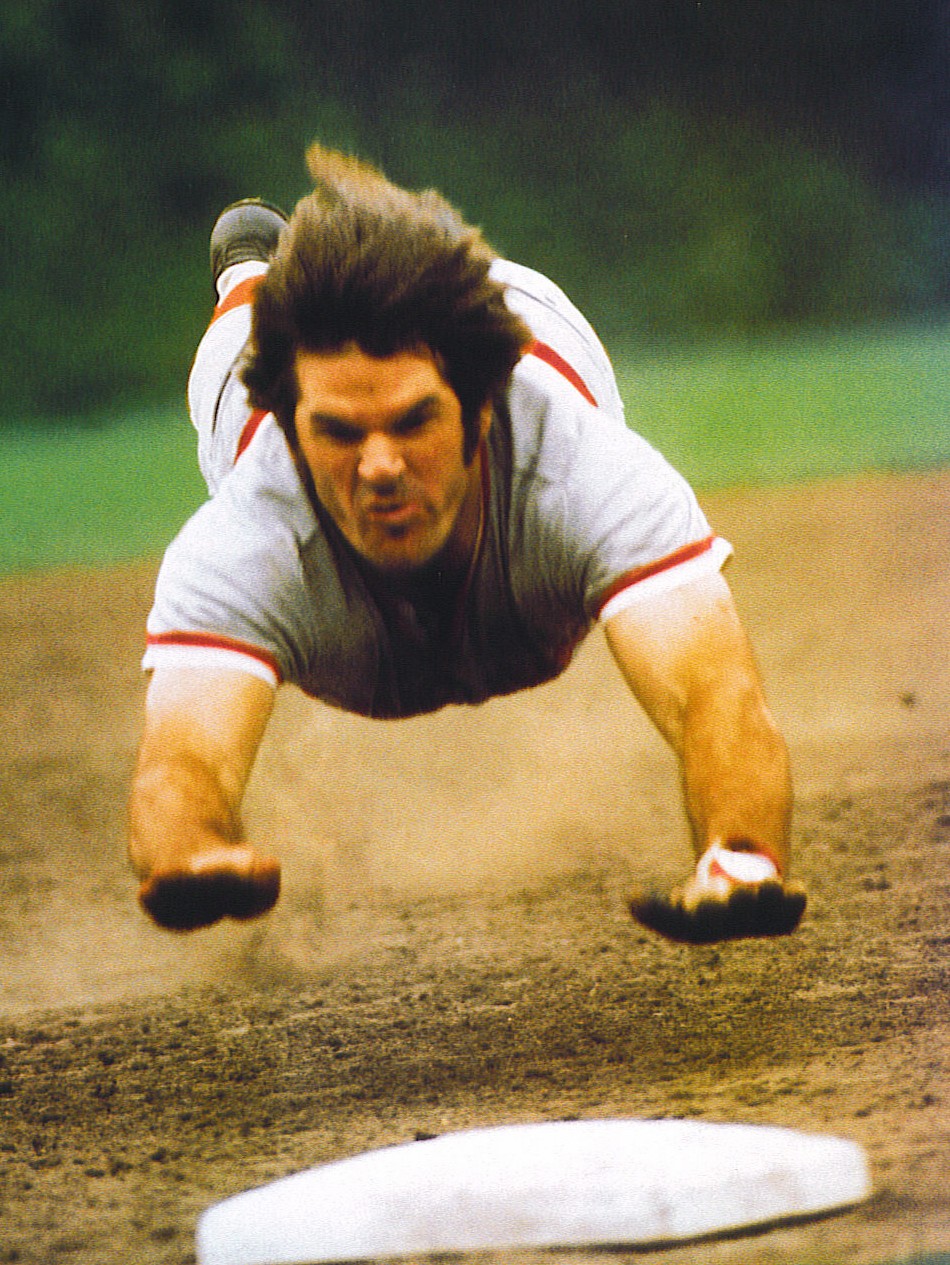
Pete Rose may have been a fool who  gambled on baseball, but he never, ever, failed to run hard to first base.

Pete Rose may have been a fool who gambled on baseball, but he never, ever, failed to run hard to first base.

The Washington Nationals’ blossoming star outfielder Bryce Harper provided a graphic lesson in the importance of these ethical values in the breach of them last night, when his lapse of character on the field contributed to a loss D.C.’s struggling major league baseball team could ill-afford.

The Nats have been one of the baseball season’s greatest disappointments. A team that had the best record of all last season and was widely favored to be a World Series contender, it has barely won more games than it has lost, and is hopelessly trailing the Atlanta Braves for the National League East championship. A wild card berth in this season’s play-offs also looked like a futile hope, until a recent winning streak and a flash of 2012 brilliance allowed fans to dream of a thrilling late-season comeback. It is possible, but time is running out, and every game counts. To have any chance, the Nats have to win games like last night’s against the sub-par Mets.

With the Mets leading 3-2, Washington had mounted a two-out rally, and had runners on first and second base. Harper, the team’s youngest, most exciting and most talented player was up at bat,  but he bounced an easy ground ball to the Mets second baseman. Clearly disgusted with his failure to come though in the clutch, Harper merely jogged to first base. If he had run hard, which was his trademark last season when Harper’s energy and enthusiasm made him an instant fan favorite, he would have reached first base safely, loading the bases, for the fielder unexpectedly booted the ball. But because Harper was loafing, the second baseman had time to recover and throw to first for the out. It was the last chance the Nationals had to tie the score, and they lost a game that the team needed to win. Continue reading

Comment of the Day: “Ethics Dunce: Photographer Jill Greenberg”

Tornado ruin

A home in Tanner, Alabama, after the events of April 3, 1974…

Here are the always thoughtful and often profound Fattymoon’s reflections, in the Comment of the Day, inspired by the post, Ethics Dunce: Photographer Jill Greenberg:

“This reminds me of the time I made a critical decision, on the spot, while covering the aftermath of a killing F5 tornado at Tanner, Alabama the night of April 3, 1974.


“Walter McGlocklin was walking away from me, carrying one of his two surviving daughters. He was cradling this little girl, her upper body and tear streaked face peeking just above her father’s right shoulder. The look of utter horror on her face! The lighting was perfect, an eerie cross hatch of flashlights and spotlights – I KNEW I had the picture of the year. I raised my Minolta 35 mm and focused in. And that’s when it happened. Something inside me said, Do NOT violate this little girl’s privacy. Do NOT allow this little girl’s unbearable pain to act as fodder to sell newspapers across the country. I slowly lowered my camera. It’s a decision, one of only a very few, of which I will forever be proud of.”

_______________