What Do you Call A Newspaper That Defends Outrageous Journalistic Practices? How About “Di Tzeitung”?

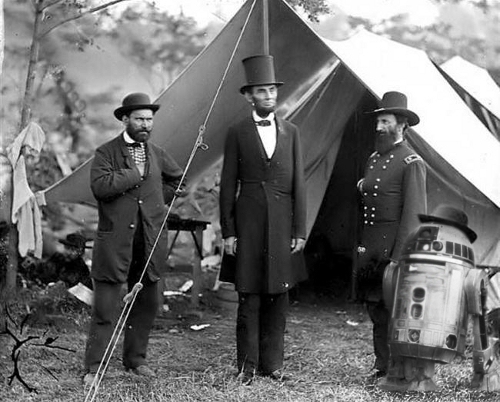
If Di Tzeitung had covered the Civil War

If I could pronounce it, the Brooklyn-based Hasidic newspaper Di Tzeitung would be useful shorthand  for “shamelessly using rationalizations to defend indefensible conduct.”

Last week, the newspaper ran the now-familiar photo of President Obama, Secretary of State Hillary Clinton, and others in the White House Situation Room, except that in Di Tzeitung’s version, Clinton  and the only other woman present, Director for Counter-terrorism Audrey Tomason, had magically vanished. Di Tzeitung had airbrushed them out, Politburo-style.

Of course, publishing the photo of a historic news event and altering it to convey misleading or false information (in this case, “Hillary wasn’t there”) is a substantial and wide-ranging violation of core journalism ethics, a breach of the reader’s trust, unfair, dishonest, misleading, incompetent and disrespectful. The altered photo was alternately condemned and mocked all over the media and blogosphere. Yet Di Tzeitung is largely unapologetic, and made it clear that it would do the same thing again if the opportunity arose. In a prepared statement, the editors explained why they did nothing “wrong”…well, almost nothing…challenging the Olympic record for rationalization by a news organization along the way: Continue reading
The Great Norwalk Kindergarten Heist

The Tanya McDonald controversy

A homeless woman is facing 20 years in prison if she is convicted of stealing over $15,000 of Norwalk, Conn. taxpayer funds. The details of her crime are controversial: she lied about her residence to get her child into what she believed was a better school system, but one that, as non-resident, she was not entitled to use. The details also create a tangled mess of law, justice, ethics, fairness, compassion, public policy, finances, class and education.

Let’s try to unravel it, shall we? Continue reading

Death Photo Ethics

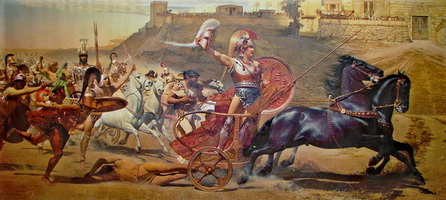
Even before Achilles dragged the corpse of Hector behind his chariot through the dust around the walled city of Troy, the tradition of demoralizing the enemy by degrading and displaying the bodies of its dead heroes was well-established. The United States was horrified when this was done to our fallen servicemen in Somalia, and it is one of the most barbaric and unnecessary practices of war.  While the Geneva Convention doesn’t mention the displaying of enemy corpses, a 2005 publication by the Red Cross called Customary International Humanitarian Law does. It was written to address issues that international treaties omitted, and its Rule 113 reads:

“Each party to the conflict must take all possible measures to prevent the dead from being despoiled. Mutilation of dead bodies is prohibited. Continue reading

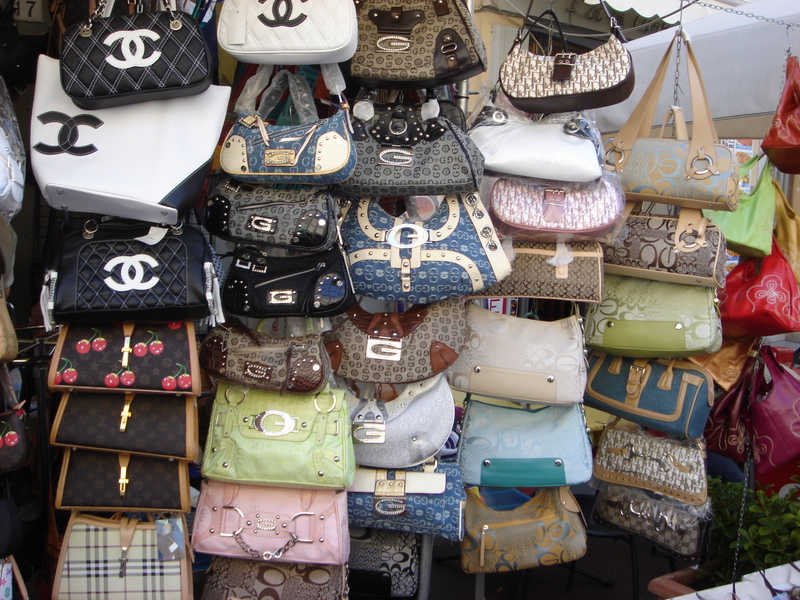
Should It be Illegal to Buy Counterfeit Designer Goods?

The ethics of this issue are clear, I think. The mystery is: Why did it take so long, and why isn’t there a national law?

New York City councilwoman Margaret S. Chin, whose district includes Chinatown, has introduced a bill would make it a misdemeanor  to  buy fake designer merchandise on the street or anywhere else. Violators would face a $1,000 fine, a year in jail, or both.

The New York Times interviewed a tourist who articulated the argument against Chin’s bill.
“I come down here, I will continue coming down here, and I will follow the Chinese people wherever they take me,” the New Jersey resident told the Times reporter “as she stood amid the purse and sunglass vendors on Canal Street.” “I don’t believe in child labor and I don’t believe in supporting terrorists, but if I want to buy a knockoff, that’s my business.” Continue reading

The Incredible Self-Disproving Rationalization!

A Chicago scene website is highlighting businesses serving citizens of the Windy City that market lies.  It focuses on three of the breed. The first, The Alibi Network, was one of my Unethical Websites of the Month years ago. For a fee, it will concoct and document elaborate support for excuses, fake illnesses, adulterous getaways masquerading as business trips. It’s the kind of enterprise George Costanza might have started; if you have a strong stomach, you can read about it here.  The second is “Rent-a-Date,” which is less objectionable than it is sad, an escort service with no sex, for guys who can’t get a date and want to impress employers, old classmates and other shallow people by hiring one and pretending that the relationship is real. You know, George would have used this one, too.

The third of these slimy businesses, however, is truly awful, an outfit called “The Reference Store”
The business creates phony former employers, complete with websites and local phone numbers, for job seekers worldwide. (You know, George could have used this service to give credibility to his favorite fake reference, “Vandelay Industries”! It’s a George Costanza Tri-fecta!) Continue reading

Ten Lessons from the “Dog Wars” Debate

Wait! Calm down! This is a CARTOON dog.

The “Dog Wars” Android phone app is apparently down for the count, the victim of too many complaints, threats and accusations that it was evil and irresponsible and promotes real, live dog-fighting, even though almost nobody sane makes similar claims about other video games. As with the subject of most posts on Ethics Alarms, however, the ethics issue lingers on, whether or not the specific incident that sparked the commentary has been resolved.

The comments, often passionate, that this post elicited have been fascinating, and had much to teach, even when the comments themselves were dubious. Here are ten lessons from the debate over the game and the Ethics Alarms commentary about it.

1. Ethics alarms aren’t always right. So many comments about “Dog Wars”, here and around the web, consist of various versions of, “That’s just wrong!” Well, why is it “just wrong”? Continue reading

Comment of the Day: “The Hazing Abuse of Michael Warren”

Frequent commenter and anti-child abuse advocate Steven Mark Pilling catalogues the defenses and rationalizations offered here by collegiate commenters who thought my post was overly hard on pro-hazing Hartwick College. The references to “Hounddog” relate to a thankfully buried film shot five years years back that required a 12-year-old Dakota Fanning to be the victim in a graphic rape scene with an adult actor. Steven, along with Paul Petersen and others, successfully exposed the film’s skirting of laws and exploitation of Fanning. You can read my ethics commentary on that horrible story here and here.

“Jack: In reading those collegian posts and your responses, I almost had a feeling of deja vu. Isn’t it amazing how all the excuses and means of “defending the indefensible”- no matter what the specific issue- have points of commonality that immediately grab at you? When I was involved in the “Hounddog” issue, I ran into them all. I see many of them here… Continue reading

Ethics Dunce: Buzz Bissinger

It took about an hour after the  Barry Bonds verdict for the first ethics-challenged national sports writer to write something outrageous about it. Not surprisingly, it was Buzz Bissinger, a the member in good standing of the Daily Beast’s stable of annoyingly hypocritical, biased or appallingly cynical writers, Bissinger belonging to the last category.

His post, which pronounced the Barry Bonds conviction “a travesty” in the title, contained one ethics howler after another, any of one of which would have justified an Ethics Dunce prize.

Here they are:

“It is true that the case of Barry Bonds does hit a new low, a new low in the waste of millions of dollars of taxpayers’ money, a new low in the witch hunt of a player who, because he was considered surly and arrogant and unlikable, is now having intimate details of his life revealed (such as testicle shrinkage), a new low in outrageous abuse of government power.” Continue reading

Ethics Phooey: No Self-Serving Bias When I Really Need It

At least I'm finally home.

Last month I posted a list of the Top Ten Thought Fallacies That Undermine Our Ethics. This week, I really, really wanted to use one of them. But integrity beckoned. Damn integrity.

I just returned from a week-long speaking trip that took me to Palm Springs and Maui, and involved a total of about 38 hours travel time for a total of 3 hours of actual lecturing and instruction. It would have been about eight hours less and not have required me to be awake for 50 hours (and counting) straight if I had not managed to miss my flight to L.A. out of the Maui airport. Somehow, I got it in my mind that the flight was at 3:30 PM, when it was really at 12:30 PM. I had managed to check the time on the wrong page of my itinerary, and then never looked at my boarding pass. Only dumb luck got me the last seat on the last flight out of Maui on Sunday night. Continue reading

The Ethics of Nailing Barry Bonds

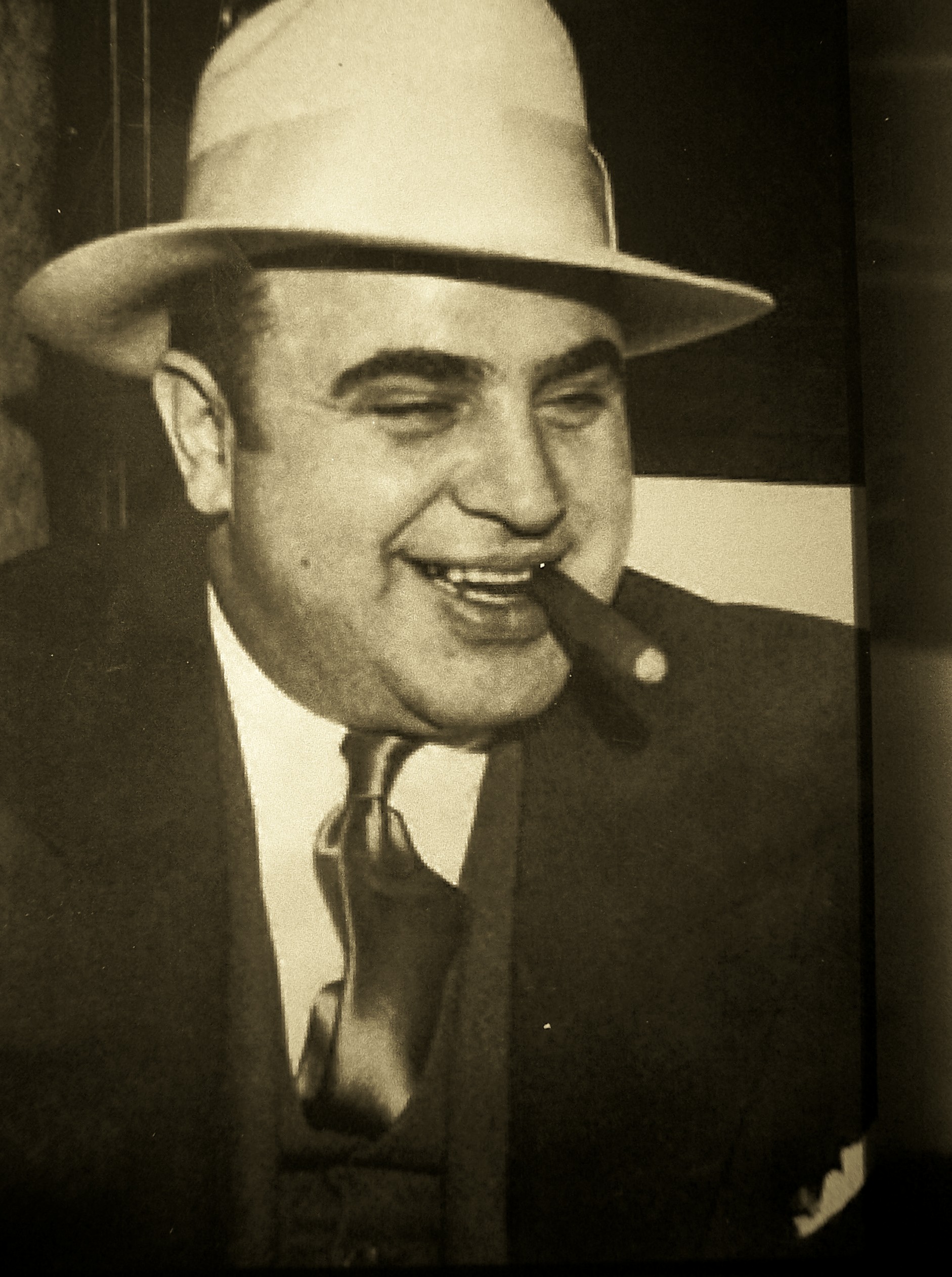
Is Barry Bonds getting the Al Capone treatment? Should we care?

Baseball’s all-time home run king Barry Bonds is finally on trial for perjury and obstruction of justice relating to his 2003 testimony before a grand jury that he never knowingly used steroids. It looks like he may get convicted too, even though the one man who could harm him most, his trainer and childhood pal Greg Anderson, once again has refused to testify and is in jail for contempt of court. (Many—including me— believe that Anderson has a promise of a pay-off from Bonds.)

Essentially everyone who isn’t actively trying to protect Bonds, completely ignorant of the facts of his career, or mentally handicapped knows he was lying and knew it at the time of the grand jury hearings. Barry has been both lucky and relentlessly dishonest, however, seemingly happy to spend the millions he made while cheating and permanently damaging his sport, and pleased with himself for retiring in possession of baseball’s most prestigious home run records, the most homers in a single season, and the most homers in a career.  That Bonds achieved these, and several of his Most Valuable Player awards, while enhanced with the surreptitiously induced body chemistry of a Bulgarian weight-lifter in the 1972 Olympics doesn’t seem to faze him at all. Meanwhile, critics are dredging up the old rationalizations to defend Bonds, none of which apply to his current fix. Continue reading