
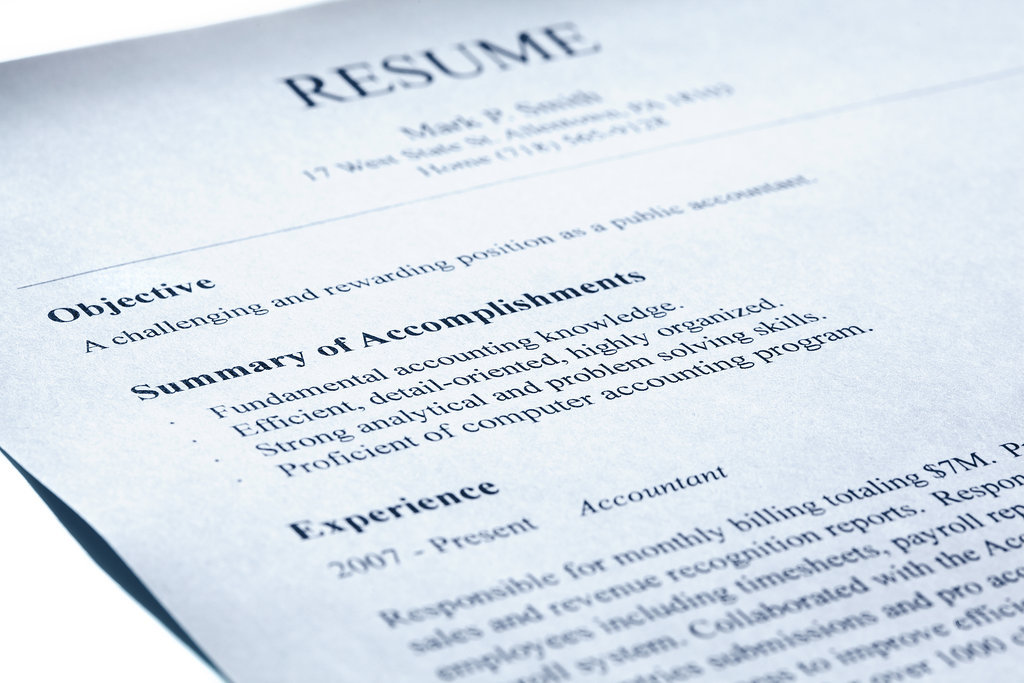
Business.com performed an experiment by sending two identical fake resumes to “180 unique job postings that were explicitly open to entry-level candidates.” Both featured a gender-ambiguous name, “Taylor Williams.” The only difference between two resumes was the presence of preferred gender pronouns on the test version. The test resume included “they/them” pronouns under the name in the header.
The fake resume including preferred pronouns received 8% less interest than the one without them, and fewer interview and phone screening invitations.
The researchers found this “worrisome.”Ryan McGonagill, director of industry research at Business.com, told NBC,
“The law makes it clear that you cannot base any employment decision (hiring, terminating, or otherwise) based on their gender identity. It’s incredibly disappointing and unethical that many of the hiring managers in our study would disqualify a candidate for being authentic.”
 Ethics Alarms