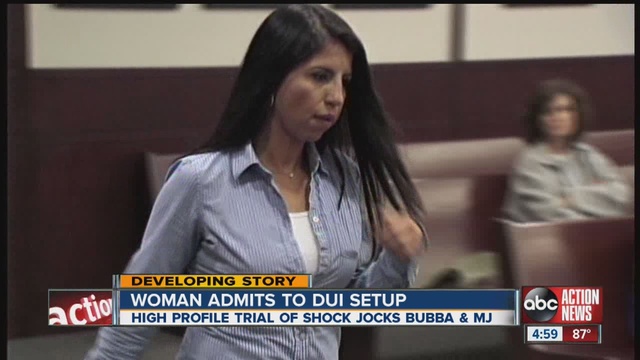
How can you get disbarred for reporting a drunk driver? Three Florida lawyers were up to the task.
Stephen Diaco, Robert Adams and Adam Filthaut were found to have “maliciously” set up the drunken-driving arrest of their opposing counsel in a high-profile defamation trial, and Judge W. Douglas Baird, the referee in their legal ethics case, wrote that Stephen Diaco, Robert Adams and Adam Filthaut should lose their licenses permanently under the legal ethics standards of the Florida Bar.
In 2013, C. Philip Campbell was representing radio shock jock Todd “MJ” Schnitt in his slander suit against another DJ, “Bubba the Love Sponge” Clem. Clem was represented by the Adams and Diaco law firm. Campbell left court and went to Malio’s Steakhouse in downtown Tampa, near his home and office. While Campbell was at the eatery, he was spotted by Melissa Personius, a young paralegal who worked for Adams and Diaco.
According to testimony, Personius called her boss, Adams, to report that Campbell was in the restaurant. Then Personius sat next to Campbell and the two bought each other drinks. As the night proceeded, Personius periodically relayed information to Adams. Adams then contacted Diaco and Diaco constacted Filthaut to agree upon next steps. The key was that Filthaut was friends with Sgt. Raymond Fernandez, who was then head of the Tampa police DUI unit, thus was able to sic the DUI unit on the unsuspecting opposing counsel, who was in the process of being plied with liquor by Adams and Diaco’s attractive paralegal.
When it was time to for the targeted lawyer to leave, Campbell told Personius that she was too tipsy to drive and offered to call her a cab. Personius protested that she didn’t want to leave her car at the restaurant overnight and asked Campbell if he would move the car for her. “Of course,” he said, nice guy that he is. As Campbell drove her vehicle up the street, he made an illegal turn and was pulled over by Fernandez officers, who were lying in wait. He was arrested and charged with DUI. Continue reading

 Ethics Alarms