The Bill James Effect, Or How Nature Conspires To Make Us Irresponsible

Quiz: What do Gen.Lee and Bill James have in common?

You see, our strengths do us in, sooner or later. The greater the strength, the more successful it has made us, the more dangerous it is.

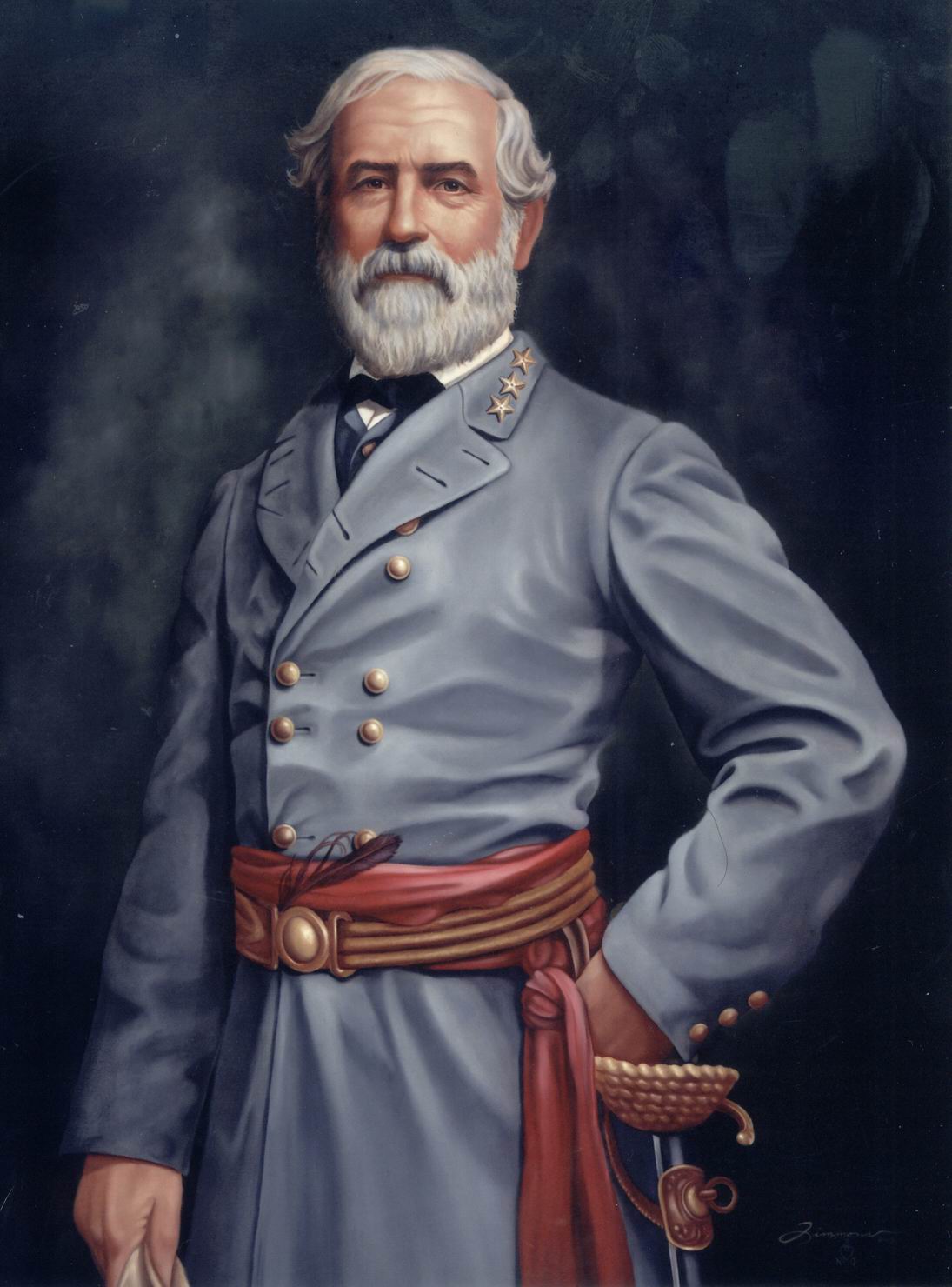
In the American Civil War, Robert E. Lee was the smartest general on the field…so smart that he broke iron-clad rules of battle strategy again and again, and prevailed every time. When everyone told him how it was usually done, always done, Lee knew that he could get an edge by doing something else. You never divide your forces, his aides, subordinates and the military books told him. So Lee did, at Chancellorsville, and won an incredible victory.

Then came July 3, 1863: the final day of the Battle of Gettysburg, and Pickett’s Charge. Everyone told Lee that a massed Napoleonic assault, over an open field, into enemy artillery and a fortified line, was suicidal. But when conventional wisdom dictated a course of action, that was when Lee had always succeeded by ignoring it. So he ordered Pickett’s Charge. This time, conventional wisdom was right. The same qualities of creativity, courage, certitude, and willingness to resist the power of convention that had caused Lee’s men to trust him unconditionally had resulted in the massacre of thousands. Pickett’s Charge wasn’t bold or ingenious. It was irresponsible. Lee, because of a lifetime of success challenging what others thought was obvious, was no longer able to tell the difference. Continue reading
Flying the Confederate Flag: Protected Speech? Of Course. Unethical? Absolutely.

Honor them for their valor if you must, but there was nothing honorable about their cause or their flag.

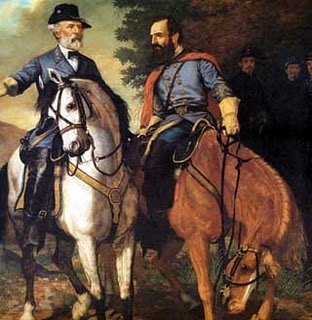
Once again, emerging from under-ground like a the seven-year locust, a controversy over the flying of the Confederate Flag is raging, this time in Lexington, Virginia, burial place of two Confederate heroes, Stonewall Jackson and Robert E. Lee. A proposed city ordinance would prohibit the flying of the Confederate banner on downtown poles, and some Southern heritage buffs as well as Jackson and Lee fans are upset. “By all means [Jackson and Lee] should be honored,” said Brandon Dorsey, commander of Camp 1296 of the Stonewall Brigade of the Confederate Veterans. “I look at the flag as honoring the veterans.”

The problem is, Brandon, that a large number of Americans look at that same flag as honoring slavery and racism, and for good and historical reasons. Continue reading

Robert E. Lee and the Abuse of Principle

Lee: Use his life as a warning, not an inspiration.

As both political parties and the President of the United States seem to be determined to subject the American people, economy and standing in the world to disaster in the defense of principles, it might be a good time to reflect on the fact that principles detached from reality have little value, and that rigidly adhering to principles to the detriment of the community and civilization is not a virtue.

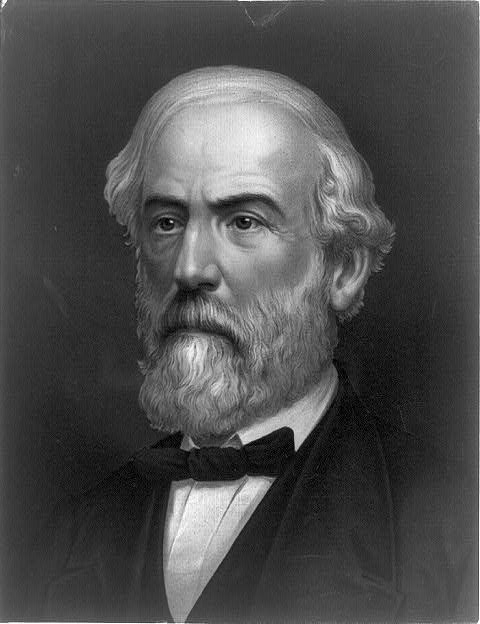
In the current issue of Humanities, historian James Cobb makes these points vividly, if tangentially, while reflecting on the odd reverence with which Americans, and not just Southerners, regard Robert E. Lee. I am proud to say that the lionization of Lee never made sense to me, not even when I was a small boy. But he is the epitome of someone who is revered as a role model and hero for his supposed character and values rather than what he actually did with them.*

Cobb begins his essay with this anecdote:  Continue reading

Glenn Beck vs. Teddy Roosevelt? No Contest!

Listening to Glenn Beck disparage Theodore Roosevelt is a little like listening to Ed Wood, auteur of the deathless classic, “Plan Nine From Outer Space,” condemning John Ford as an unimaginative hack.

At his uproariously received speech at the Conservative Political Action Conference, Beck, the libertarian talk-show host, flamboyant TV showman on Fox and current Tea Party hero effectively racked up cheap applause by pulling a quote out of Teddy’s “New Nationalism” speech and deriding it. Beck didn’t analyze and critique the speech, of course, because that would have required a discipline of scholarship and a rigor of intellect that he simply does not possess. He simply quoted this section… Continue reading