Presenting the Ethics Alarms Heroes’ Hall Of Honor

remember

Today, the anniversary of September 11. 2001, American minds should be occupied with thoughts of gratitude for heroes, the often anonymous and unknown people we may pass in the street every day, as well as the justly famous and celebrated, who make our lives and many others better by living their own selflessly and well. They are our salvation, role models and neighbors, and they teach us the lesson that all is never lost, and hope is always thriving, as long as there are good and courageous people who will do the right thing, no matter what the cost, when fate turns to them.

This seems like a propitious time to dedicate the Ethics Alarms Heroes Hall of Honor, the list of the Ethics Heroes Emeritus whose stories have been told here (and on this site’s predecessor, The Ethics Scoreboard.) Every current member of the Hall is now deceased, like the brave men and women who died this day, 12 years ago. Each of them, in a unique way, teaches how human beings can rise above the vicissitudes of mere survival, self-interest, personal benefits and the base desires of the species  to live  meaningful and virtuous lives. Some accomplished this over decades, some with one brilliant and transforming act of distinction.

There are currently 32 members enshrined in this virtual Hall. Obviously, it is far from complete. They are just symbolic representatives, worthy ones, of millions more who once breathed the same air we do today, and like those who perished twelve years ago, face the prospect of being forgotten over time, as we all go about the consuming task of getting from one day to another. Each one of us, I believe, is capable of emulating their example.

Here are the thirty-two members and their stories, as of this date,

September 11, 2013... Continue reading
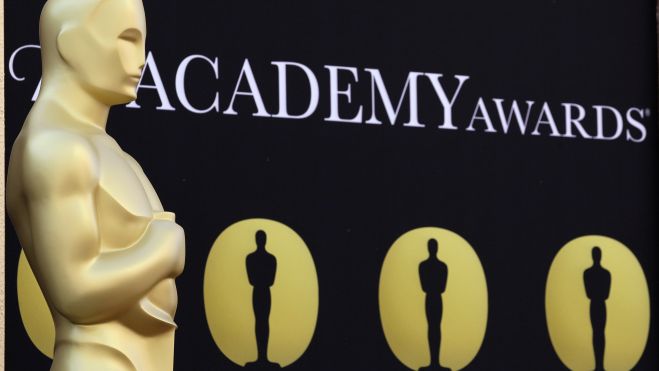
Cheated Out Of Their Final Bows: Hollywood Snubs Its Own At The Oscars, And Worse Than Ever

Oscars

Once, the excuse that routinely issued from the Academy of Motion Picture Sciences when a significant film actor was omitted from the annual “In Memoriam” segment at the Oscars—“There just wasn’t enough time!”-–seemed almost plausible. It was still a lousy and dishonest excuse, don’t get me wrong: in a broadcast that routinely approaches four hours and wastes time like it is money in Washington, we are supposed to believe that there aren’t three seconds to give a proper send-off to the likes of Harry Morgan (last year) or Farrah Fawcett (the previous one)? That excuse won’t fly at all now, however, as some diabolical deal with the behind the camera members, the warped priorities of the Oscar show’s Broadway musical nerd producers, Neil Meron and Craig Zadan, and the final decisions regarding who would be featured in the movie industry’s public goodbye being made by, apparently, throwing darts at a dartboard combined to produce the most extensive and egregious snubs within memory.

This is a television broadcast and tailored for the public audience, after all. The Academy gives its technical awards in a separate private ceremony: wouldn’t that be the  place to bid a respectful farewell to the seemingly endless list of deceased publicity agents, make-up artists,movie executives and key grips whose completely unrecognizable faces and names were paraded before us last night, often with out of context quotes that made no sense at all? Then, guaranteeing that the “we ran out of time!” alibi would be risible, the segment’s editors chose a non-actor for the prestigious final place on the death list, composer Marvin Hamlisch, as an excuse to drag Barbra Streisand into the proceedings. I appreciate Hamlisch’s achievements, but his movie credits were not so extensive as to justify the honor (we are basically talking about one Academy Award-winning song, “The Way We Were,” and his arrangements of Scott Joplin’s music in “The Sting”), and the award show’s misbegotten “theme” of movie music was not sufficient justification to place a non-actor in the position of highest honor.

Meanwhile, the following actors, all who made significant contributions to American film in their careers, were cheated out of their final bow, and we, the film-going audience, were cheated of our chance to remember them, and say goodbye. It was a disgrace.

Ethics Alarms isn’t the Academy, but here, like last year, is its salute to the faces and careers Oscar forgot: Continue reading

Ethics Hero Emeritus, Sort of: Russell Means (1940-2012)

“Fly swift, like an arrow.”

Clarence Darrow, the greatest of all American criminal defense lawyers, admired more than one criminal. One he especially admired was John Brown, the radical, violent and possibly insane abolitionist whose deadly 1859 raid on Harper’s Ferry, Maryland was a terrorist act by any definition. Brown was hung for it, but he became a martyr for the anti-slavery movement, and his raid a rallying point for its cause. Darrow believed that some societal wrongs were so resistant to law and democracy that their grip could only be loosened by violence, and so he extolled men like Brown, whom he regularly eulogized in public with a fiery speech that concluded,

“The earth needs and will always need its Browns; these poor, sensitive, prophetic souls, feeling the suffering of the world, and taking its sorrows on their burdened backs.  It sorely needs the prophets who look far out into the dark, and through the long and painful vigils of the night, wait for the coming day.  They wait and watch, while slow and cold and halting, the morning dawns, the sun rises and waxes to the noon, and wanes to the twilight and another night comes on.  The radical of today is the conservative of tomorrow, and other martyrs take up the work through other nights, and the dumb and stupid world plants its weary feet upon the slippery sand, soaked by their blood, and the world moves on.”

I immediately thought of Darrow’s words about Brown* when I learned that Russell Means had died this week at the age of 72. Clarence Darrow would have loved Russell Means. Continue reading