The Revenge of Ashley Judd

"Dear Mom, Sis: Hope you take my book in the spirit in which it was intended!"

Yes, celebrities live by different rules, but publishing a book that exposes your family’s secrets, hangs out its dirty laundry for all to smell, and settling scores with siblings in public is a cruel and unfair thing to do no matter who you are….or what the provocation.

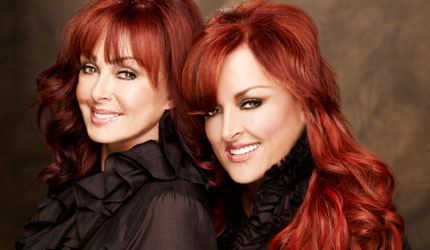
Now actress Ashley Judd has published her account of what it was like growing up with Mama Naomi and Sister Wynnona, and her verdict is reportedly harsh. Ashley doesn’t need the money, so the only reasons for publishing “All That Is Bitter and Sweet: A Memoir” now are unethical ones: getting the satisfaction of vengeance, and hurting her own family members.

You should have waited, Ashley.

[Note: The original post was written from two sources that suggested that “I’m Not the Fat One” was  the title. I apparently was taken in: this was a joke. My fault. Sorry Ashley.]


Integrity Check: Obama’s Embarrassing Transparency Pledge

President Obama is getting a mixture of ridicule and contempt from some pundits over the revelation yesterday that he accepted an award for transparency in secret. From Forbes:

“President Obama was scheduled to receive an award from the organizers of the Freedom of Information Day Conference, to be presented at the White House by “five transparency advocates.” The White House postponed that meeting because of events in Libya and Japan, and it was rescheduled…That meeting did take place – behind closed doors. The press was not invited to the private transparency meeting, and no photos from or transcript of the meeting have been made available. The event was not listed on the president’s calendar…Nor is the award mentioned anywhere on the White House website, including on the page devoted to transparency and good government. Were it not for the testimony of the transparency advocates who met secretly with the president, there wouldn’t seem to be any evidence that the meeting actually took place.”

I can guess why the President didn’t want to publicize the meeting: the same day, he had to go on television and explain why he hadn’t been transparent to the U.S. Congress about his military plans in Libya. Or perhaps he knew that the news was about to leak that the Fed had secretly sent billions in loans to foreign banks during the financial crisis, not telling the public because it would make them worried and angry. Or maybe it was the just the dawning realization that transparency in government is often neither wise nor safe, and that he was sick of being embarrassed by awards that only point  up the yawning chasm between Obama’s idealistic words and reality. (See: 2010 Nobel Peace Prize) Continue reading

Mailbag: Why Different Ethical Standards for Food and Theater Critics?

“Dear Mr. Marshall: Don’t you find it odd that in one post you condemn theater critics for coming to review a play uninvited, yet slam a restaurant owner who exposes the identity of a restaurant critic trying to review his establishment surreptitiously? Why are consumers served by secret food reviews, but not by secret show reviews? This is why people hate people like you.” Continue reading

Ethics Dunce: Red Medicine Owner Noah Ellis

Red Medicine is a Beverley Hills restaurant; Noah Ellis is the owner. S. Irene Virbila is the Los Angeles Times restaurant critic, who, like most U.S. food critics, works at staying anonymous, which she had successfully done for sixteen years. Not being recognized served the needs of diners, who want to know what the food and service is likely to be at an eating establishment when the customer isn’t preparing to write a critique that can make the difference between a restaurant’s long-term success or failure.

Last week, Noah Ellis intentionally destroyed Virbila’s ability to perform this service, or at least made it more difficult. Continue reading

The Ethics Of Refusing To Help Wikileaks

Do private corporations have an ethical obligation to allow Wikileaks to use their services? MasterCard, Visa and PayPal stopped processing Wikileaks donations. Amazon kicked the site off its server. Twitter stopped its tweets; Facebook stopped its interfacing.

Columbia University Professor Tim Wu rhetorically asked them:

“Since when are you in the business of deciding who is and who isn’t a good civil disobedience movement?”

Before I address the Professor’s question, let’s make some distinctions. Continue reading

The Ethics of Outing the Movie Star

My least favorite website, the ethically challenged Gawker, became the latest media source to publish rapidly spreading tales of the gay sexual escapades of a well-known Hollywood leading man who is also married, has children, attracts a great deal of positive publicity because of his family life, and, to cap it all off, is a high-profile member of a church (the Church of Scientology) that has in the past treated homosexuality as a curable malady. A book is coming out, and the author is pumping up interest in the tabloids.

The ethical question: is this legitimate news? Should it be reported? If it isn’t news, but rather a vile and mean-spirited invasion of privacy, then Gawker, as usual, is wading in slime. If, however, it is news, then why is the mainstream media ignoring the story?

This is a messy ethical conflict. Continue reading

BREAKING NEWS! Blago’s An Unethical Lawyer, Too!

A librarian at Northwestern University found confidential attorney-client files in eighteen boxes of files belonging to Rod Blagojevich. The librarian purchased them at in an auction held by a moving and storage company that sold Blagojevich’s stored possessions after he stiffed the company on his storage bills. The files date from the ex-Illinois governor and current criminal defendant’s days as a prosecutor. Even though Blago no longer practices law (his bar status is inactive), his duty to protect prior client confidences is sacred and perpetual. The relevant Illinois Rule, 1.6, says:

(a) Except when required under Rule 1.6(b) or permitted under Rule 1.6(c), a lawyer shall not, during or after termination of the professional relationship with the client, use or reveal a confidence or secret of the client known to the lawyer unless the client consents after disclosure.

That means that leaving boxes of former client secrets statements, records and confidences in boxes stored in a facility where you’re not paying your bills is recklessly risking the privacy of those documents, and making it possible for them to fall into untrustworthy hands—not that Rod Blagojevich meets the minimal level of trustworthiness either.

Blago told the AP that he had no idea what was in the boxes. Wrong answer: he has a duty to know where his client files are and that they are secure. He also said that he didn’t know he was in arrears at the storage facility. Also wrong: staying current with the bills was his responsibility as part of his duty to protect his clients’ confidences.

That a man who ignored his duty to the public, and tried to use his power to appoint a U.S. Senator for personal gain, was also cavalier with his ethical duties to former clients should come as no surprise.  People who are unethical in one job are likely to be unethical in others.  And Rod…well, I think it’s fair to say that Rod Blagojevich is likely to be unethical no matter what he does, including eating and sleeping.