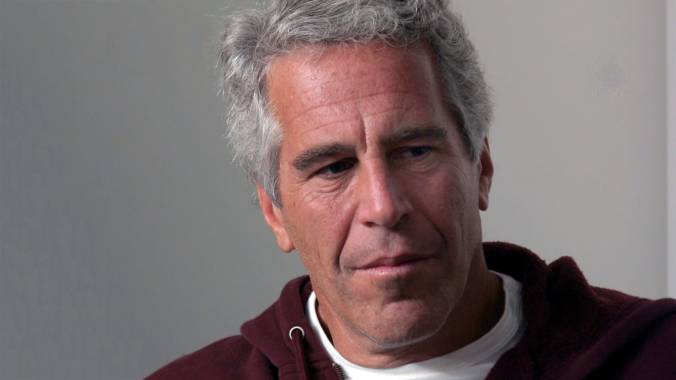
That’s Epstein…a popular guy.
You have to buckle your seat belt and read this story.
The Miami-Herald undoubtedly earned itself a Pulitzer Prize with its detailed and horrifying account of rigged justice involving jet set multimillionaire Jeffrey Epstein, who parlayed money, connections, friends in high places and quite possibly extortion into a lighter-than-light sentence despite overwhelming evidence that over many years he had used his resources to gather “a large, cult-like network of underage girls — with the help of young female recruiters — to coerce into having sex acts behind the walls of his opulent waterfront mansion as often as three times a day…The eccentric hedge fund manager, whose friends included former President Bill Clinton, Donald Trump and Prince Andrew, was also suspected of trafficking minor girls, often from overseas, for sex parties at his other homes in Manhattan, New Mexico and the Caribbean, FBI and court records show.”
The prosecutor who allowed Epstein to virtually escape accountability for crimes that make such recent cultural villains as Harvey Weinstein appear to be benign in comparison was the Trump Administration’s Secretary of Labor, Alexander Acosta, then the U.S. attorney for Southern Florida.
Nobody’s talking, except the alleged victims, who are now mounting a legal challenge to the fiasco. Epstien’s lawyers, the kind of high-powered, high-priced super-team that only the richest of the rich can summon, included Allan Dershowitz, Roy Black and Ken Starr, among others, can’t discuss their representation under the rules of client confidentiality. So far, Acosta has been silent as well. The evidence that the paper’s investigation has uncovered—and again, don’t rely on this brief post, read the whole story—is persuasive, damning, and for me, someone who works in and with the legal profession, spiritually devastating. This, from the Maimi-Herald’s introduction and conclusion, provides some sense of the magnitude of the scandal: Continue reading
 Ethics Alarms