
Yum or Yecchh?
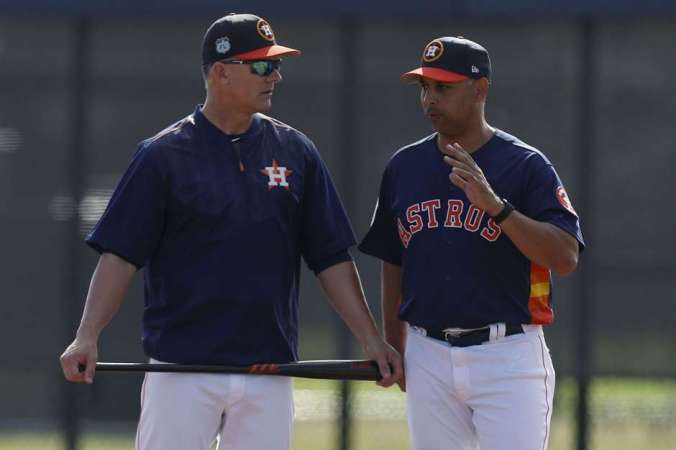
1. And the baseball cheating scandal is still roiling! I feel sorry for ethics enthusiasts who are missing out on this fascinating episode because they shut down when baseball is mentioned. One emerging issue that focuses on “woke” (and in some quadrants, sadly, female) leadership models has become evident. The two managers fired in the sign-stealing scandal were part of the “new wave” of “collaborative” baseball managers that teams embraced in recent years. They are sensitive to the players’ needs; they don’t give orders as much as set flexible boundaries; they are not confrontational, and they absorb and guide the culture of the clubhouse rather than dictate it. Then we learn, in MLB’s report on its investigation, that when Houston’s A.J. Hinch discovered (in 2017) that his bench coach and his players were operating an elaborate sign-stealing operation that he knew violated the rules , he made it known that he disapproved, but never ordered them to stop. Now baseball commentators are saying that the Astros need to hire an “old school” manager (like the ones who have been put out to pasture over the last five years) who will be leader, who will lay down the law, and who won’t shy away from confrontation for fear of not being “collaborative.”
Duh. How did anyone come to think effective leaders should do otherwise? Leaders need to lead. Leading doesn’t have to be autocratic, but a leader who acts like Hinch did in this matter is no leader at all.
In another revelation regarding the scandal, the report by Baseball Commissioner Rob Manfred states that when Manfred put teams on notice in a Sept. 15, 2017 memo that using electronic means to steal and relay opposing teams’ signs during games would henceforth be severely punished, Houston General Manager Jeff Luhnow “did not forward the memoranda and did not confirm that the players and field staff were in compliance … Had Luhnow taken those steps in September 2017 it is clear to me that the Astros would have ceased both sign-stealing schemes at the time.”
This is gross managerial negligence, and it puts Lahlow’s self-serving statement that he had no involvement in his team’s cheating in perspective. Continue reading








 Ethics Alarms