Taking A Stand On Privacy, As Ethics Alarms Go Silent

"Oh, all right---as long as I get that job."

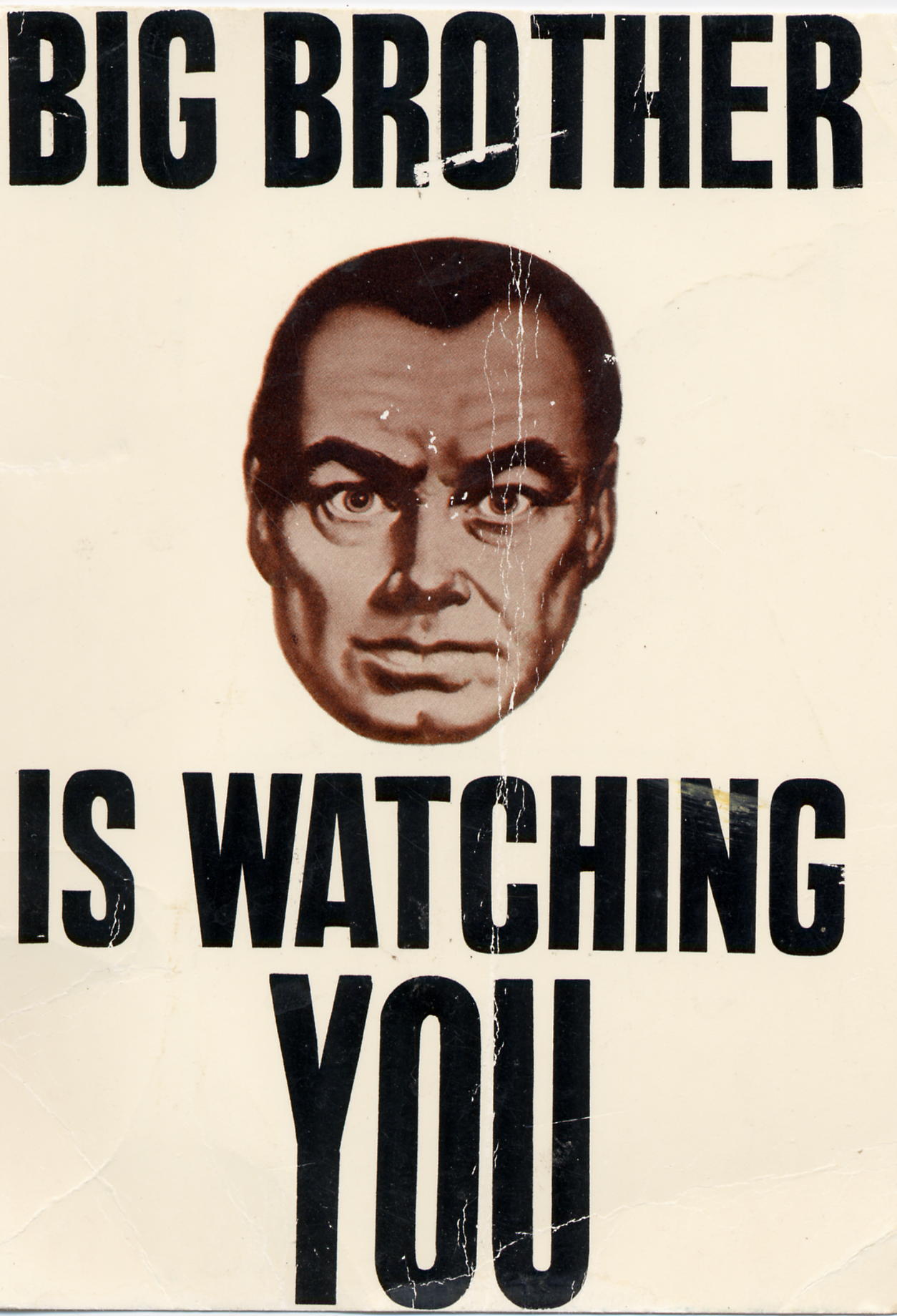
The cultural consensus on the boundaries of personal privacy are eroding more quickly than I imagined. There are a lot of reasons for this: the intrusions of technology, increased government intrusiveness as part of anti-terror measures, utilitarian calculations that conclude that privacy should be sacrificed for supposedly more worthy objectives, like preventing bullying, or discouraging sexism and anti-gay attitudes. Whatever the reasons, it is crucial that society puts the brakes on, hard, or George Orwell’s nightmare will arrive remarkably intact, just a few decades late.

A stunning report on the MSNBC blog Red Tape reveals that some state agencies are routinely requiring job applicants, as a condition of employment, to provide full access to their social networking accounts so their otherwise private communications can be monitored. Equally disturbing, college athletes at many colleges are being required to “friend” a coach or other university personnel, who can keep tabs on what the student is posting. From the University of North Carolina handbook: Continue reading

The Ethics of Teacher-Student Facebook Friending

Sometimes what appears harmless and benign at first glance starts looking inappropriate and unethical after we learn more about it. Social networking media has been teaching this lesson with alacrity over the last year, and we now have another example that will be making some friends of mine re-evaluate their Facebook friend list…I hope.

The New York Post has reported that least three educators from New York City  public high schools have been fired in the past six months for having inappropriate exchanges with students on Facebook, including one of which culminated in a sexual relationship. Continue reading

Ethics Dunce: Evan S. Cohen

The New York Times has a provocative examination of the ways cyber-bullying and abusive social networking sites and posts are challenging schools and courts. It also exposes a particularly cruel Ethics Dunce, Evan S. Cohen.

In 2008, Cohen’s daughter videotaped her friends as they mocked and made vicious comments, some of them sexual about another eighth-grade girl. Then Cohen’s daughter posted the video on YouTube, traumatizing its victim.  The school was alerted by the devastated girl’s parents, and then suspended Cohen’s daughter for two days.

Daddy, however, is an attorney, and he knows overstepping authority when he sees it. He sued the school district, arguing that the school couldn’t reach into his daughter’s off-campus activities and punish her for them. Of course, he was right, and won the lawsuit. He also won $107,150.80 in costs and lawyer fees. Continue reading

Ethics Quilt: Ghosts, Teachers, Facebook, and More

  • Is It Ethical to Censor Someone’s Question You Think Is Unethical?Here is a post questioning whether a question can be so offensive that it is unethical to even ask it. The obvious answer: if you refuse to ask it, nobody will have the chance to explain what’s wrong with it.
  • “Yeah, Well, he Probably Deserved it…”:  As mind-blowing as the video of the Texas teacher assaulting and savagely beating a male student are the many, many on-line comments expressing sympathy and even support for her actions. What on earth is going on out there? Yes, teachers are placed in a nearly impossible position by restrictions on class discipline. Yes, there are students whose conduct is outrageous. Yes, I’m sure many teachers have wanted to lash out. Yes, the kid was probably no angel. Neither these or any other factors can possibly justify an adult authority figure resorting to violence against a student, a child, and someone placed in her care by the family and the state. “Where can I contribute to her defense fund?” writes one commenter. Another’s response is that if it were her son, she would come down to the school and beat up the teacher. And people keep asking me why I bother to write about ethics… Continue reading