
Sign Language Interpreter Ethics Epilogue: “A Christmas Carol”

Gavin Alvedy rehearses a scene from the Downriver Youth Performing Arts Center's "Miracle on 34th Street" as DYPAC alum Emily Zaleski signs alongside him. Zaleski, who grew up performing on DYPAC’s stage, now is a certified American Sign Language interpreter with Synergy on Stage and will interpret during the Dec. 8 performance.

Sign language interpreters and their advocates descended on Ethics Alarms in indignation aftert  my March post about “showboating sign language interpreters for deaf audience members.” It took until December for my commentary to reach this passionate interest group, but when it did, I was called many names, including “ablist,” and had to put up with comments like this one from the ironically named “Danny Who Knows About Stuff”:

I would take this “ethics” person seriously if he/she seemed to know anything about the ethics that guide sign language interpreting. And, I suppose it would be helpful if the person understood anything about linguistics, sign language, Deaf culture, or audience response theory. This article is more about the individual than than the issue. In short, this person is no more an ethicist that is Donald Trump.

How I love the quote around “ethics.”

Danny was pretty typical. See, I don’t need to know about any of Danny’s “stuff” as a director of a play or musical. All I need to know is whether a feature of the performance detracts from it by foiling the focus that the staging was designed to facilitate. Every competent director knows that. The needs of the signer and the signer’s much, much smaller audience cannot be permitted to wag the dog, or make the dog trip on its tongue.  or perish of neglect.

“Danny Who Knows About Stuff” became “Danny Who Is Banned From Ethics Alarms,” in case you didn’t guess.

If I had already experienced what I experienced yesterday with a “professional” signer, that March post would have been much tougher. I directed an staged reading of “A Christmas Carol” with a cast of 30 terrific actors for a single free performance for D.C.’s Martin Luther King Library, and was told that the library would be sending a signer. Now, a signer for your usual staged reading is like having a signer for an oil painting. It makes no sense. In readings, the actors mostly read. Presumably the deaf can read “A Christmas Carol” themselves. You could say they would want to see the performers, but  in readings the performers’ acting mostly consists of vocal expression, which the deaf audience can’t hear, and facial expressions, which they won’t see if they are watching the signer. As it happens, I don’t do staged readings like that; there is a lot of movement and staging, so a signer makes some sense.

But they didn’t know how I would stage it.

By the time we got to the final rehearsal, I had forgotten about the alleged signer, who was supposed to at least attend one rehearsal so I could fit her onto the stage where she would be seen and not get in the way. She arrived, for the first time, 15 minutes before the performance, and immediately announced that she didn’t know whether she would be signing or not.  That’s helpful. She also complained that the script was very well adapted for signing (Why, thank-you!) and that the show, at 90 minutes, was impossibly long for a single signer to do: she was waiting to see if a second signer was coming, as she had assumed. Now, nobody warned me that I had to make room for two signers in the small performing space, neither of whom would deign to attend a rehearsal. ( Her complaint about length was also nonsense. I have had single signers for many shows longer than 90 minutes, and they didn’t collapse from exhaustion or finger cramps.) Continue reading
Sign Language Interpreter Ethics

Let’s see, I haven’t gotten disability advocates angry at me in a while. It might be time.

Jonathan Turley posted the video above in a blog post titled “You Decide: Which Is The Greater Draw – The Singer Or The Signer?” The title, and especially the video, reminded me of a live entertainment phenomenon that has annoyed me for decades. I had forgotten about it, because producers learned long ago that I wouldn’t tolerate it in shows I was involved in. The ethics issue: showboating sign language interpreters for deaf audience members.

I have no objection to having signers at special performances of live stage presentations, as long as those signers understand their purpose and obligation. Their purpose is to communicate the words to hearing-impaired audience members. Their obligation is to do so as unobtrusively as possible, so as not to draw focus from the performance itself, or  interfere with the integrity of the production.

Unfortunately, a large percentage of the sign language interpreters who specialize in signing plays and operas don’t see their job this way. They think they are supposed to be as flamboyant–that is, obtrusive–and demonstrative as possible. Well, they’re not going to do that in one of my shows.

I’m not going to work over a grueling six week rehearsal schedule to perfect audience focus, the arc of the show, the lighting, sound, stage picture and all the other artistic elements that need to be coordinated to fully realize a work of live performance art  only to have someone show up who I have never seen before and improvise his or her own act in competition with the performance on stage. If I thought it would enhance “A Steetcar Named Desire” or “The Music Man” to have Marcel Marceau or Red Skelton jumping around and waving their arms next to the performers, I would have staged the shows that way. Continue reading

When The Truth Hurts, But A Lie Will Hurt More

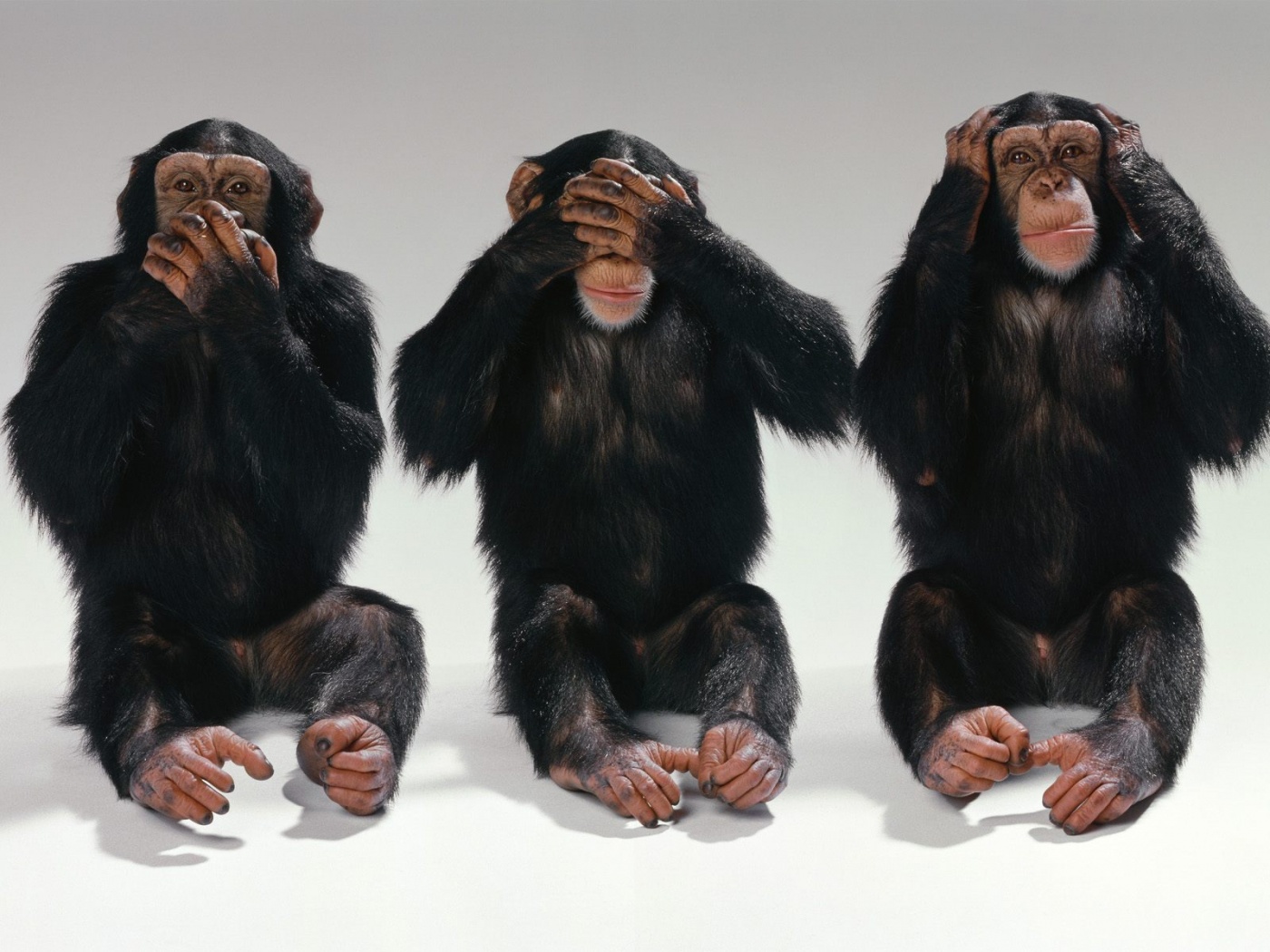
see_no_evil_hear_no_evil_speak_no_evil

In the early stages of the  Monica Lewinsky scandal, President Bill Clinton infamously asked his then advisor-polster Dick Morris to research whether a lie or the truth would best serve Clinton’s purposes.  (Morris’s recommendation based on his polling data: “Lie your head off.“) The attitude that truth is just a conduct option with no more or less to recommend in it than various versions of spin, deceit, obfuscation, misrepresentation, fabrication and denial is endemic to politics, which is not to say that it is necessary or healthy. Lies can be justifiable tools of the trade in the utilitarian world of politics and government, but if there isn’t an accepted recognition that they are inherently harmful, lazy, undermine trust and tend to become addicting (See: Dick Morris and Bill Clinton), then the cure becomes worse than the disease.

The Presidency of Barack Obama should be remembered as a stark lesson in the danger of avoiding unpleasant truths. What focused my attention on this was an interview that featured journalist Geraldo Rivera opining that describing President Obama’s performance in the wake of the Ukrainian incursion “weak” was “unhelpful,” “borderline patriotic” and “accomplishes absolutely nothing but scoring cheap political points in the near future.” At the same time, this morning’s Washington Post is filled with commentators struggling with the Democratic Party’s Obamacare problem, following the disheartening defeat of Alex Sink in a special Congressional election in Florida. Some of those commentators argue that beleaguered Democrats should aggressively make the case that the Affordable Care Act is a roaring success. Or as Dick Morris would put it, “Lie your head off.” Continue reading