Presenting the Ethics Alarms Heroes’ Hall Of Honor

remember

Today, the anniversary of September 11. 2001, American minds should be occupied with thoughts of gratitude for heroes, the often anonymous and unknown people we may pass in the street every day, as well as the justly famous and celebrated, who make our lives and many others better by living their own selflessly and well. They are our salvation, role models and neighbors, and they teach us the lesson that all is never lost, and hope is always thriving, as long as there are good and courageous people who will do the right thing, no matter what the cost, when fate turns to them.

This seems like a propitious time to dedicate the Ethics Alarms Heroes Hall of Honor, the list of the Ethics Heroes Emeritus whose stories have been told here (and on this site’s predecessor, The Ethics Scoreboard.) Every current member of the Hall is now deceased, like the brave men and women who died this day, 12 years ago. Each of them, in a unique way, teaches how human beings can rise above the vicissitudes of mere survival, self-interest, personal benefits and the base desires of the species  to live  meaningful and virtuous lives. Some accomplished this over decades, some with one brilliant and transforming act of distinction.

There are currently 32 members enshrined in this virtual Hall. Obviously, it is far from complete. They are just symbolic representatives, worthy ones, of millions more who once breathed the same air we do today, and like those who perished twelve years ago, face the prospect of being forgotten over time, as we all go about the consuming task of getting from one day to another. Each one of us, I believe, is capable of emulating their example.

Here are the thirty-two members and their stories, as of this date,

September 11, 2013... Continue reading
The Third Annual Ethics Alarms Awards: The BEST of Ethics 2011

Why is the The Best in Ethics 2011 only about 33% the size of the “Worst”?

This troubles me. My objective is not to be negative. The problem, I think, is that ethical conduct is still much more common than unethical conduct, and it is usually less controversial to identify: most of the time, good ethics is self-explanatory. All of us learn more from mistakes and misdeeds, our own and those of others, than we do from meeting societal standards. Most of what Ethics Alarms does is to try to identify unethical conduct, what was wrong with it, why it happened, and how we can discourage it.

Which is all well and good, but I still would like to make 2012’s Ethics Alarms  more positive year than this one, if possible. Help me, will you, find more topics involving good ethics, so next year’s Best list can hold its own with the Worst.

Here are the 2011 Ethics Alarms Awards for the Best in Ethics:

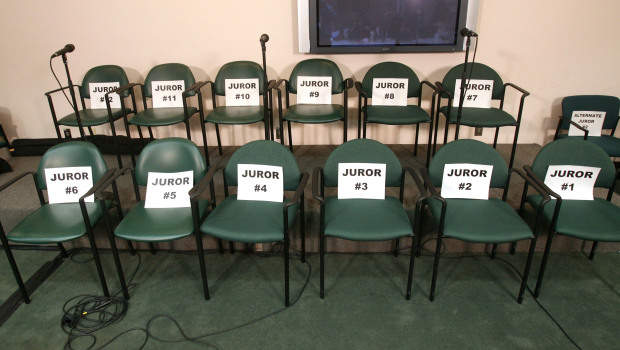
Most Important Ethical Act of the Year: Acquitting Casey Anthony. The Florida jury charged with deciding if Casey Anthony murdered her daughter faced the ire of a lynch mob-minded public that wanted the unsympathetic Anthony convicted, based on suspicious conduct and a dubious explanation,  but the evidence just wasn’t there. Thus the courageous twelve upheld the American values of fairness, objectivity, and justice under the law. It is interesting that the most ethical act of the year also sparked some of the most unethical arguments of the year, by too many citizens who benefit from our nation’s ideals without comprehending them. Continue reading

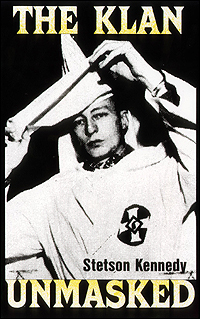
Ethics Hero Emeritus: Stetson Kennedy (1916-2011)

And he gave his book to Superman...

Author and folklorist Stetson Kennedy, who died this week,  is another important and courageous American that most of us never heard of. Let’s try to catch up.

After a back injury kept him out of World War II, Kennedy began a lifetime career of crusading against bigotry and what he called “homegrown racial terrorists.” He served as director of fact-finding for the southeastern office of the Anti-Defamation League and as director of the Anti-Nazi League of New York.

In his 1954 book “I Rode With the Ku Klux Klan,” Kennedy wrote that he gained entrance to the Klan by posing as an encyclopedia salesman and using the name of an uncle who was a Klan member. While posing as a member, he learned many Klan secrets that he put to use undermining the organization’s reputation and support. With evidence he snatched from the Grand Dragon’s wastebasket, he gave the Internal Revenue Service what it needed to collect an outstanding $685,000 tax lien from the Klan in 1944, and he helped draft the brief used by the state of Georgia to revoke the Klan’s national corporate charter in 1947. He also testified in other Klan-related cases. Continue reading