 Apparently cable TV needs some basic ethics rules, particularly focusing on integrity. SyFy, the science fiction channel, includes professional wrestling prominently in its programming, as well as movies that qualify as horror or fantasy but have no science, fictional or otherwise, in evidence. Chiller, the horror channel, includes movies that are pure suspense or science fiction, as well as re-runs of the reality show “Fear Factor,” which would belong on the Stupid Channel if there was one (other than E!, of course.) This week, a religious program was on Chiller; I have no idea what that was about. Meanwhile, The Learning Channel has become the Child Exploitation Channel, led by the “Jon & Kate plus 8” franchise, spin-offs and imitators. What are we learning? Not much, except that the names of cable channels mean little or nothing.
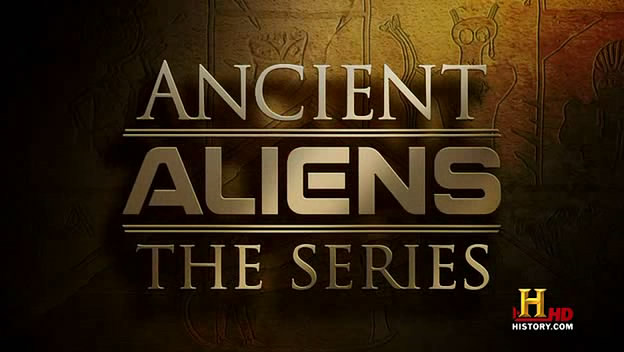
Nevertheless, while it is sloppy and false branding to show “Apollo 13” on the SyFy channel, it is considerably worse to show fiction and fantasy on The History Channel, which is what The History Channel has been featuring recently with “Ancient Aliens,” a series that presents the wacko theory that aliens visited Earth centuries ago as fact. Continue reading
 Ethics Alarms