Thanks to the internet, every day conflicts between ordinary citizens become opportunities for society-wide ethical evaluation . This can be extremely beneficial, helping to reveal disagreements regarding ethical conduct in common situations, and establishing social norms with efficiency that once would have been impossible. Of course, that requires that society reaches a reasonable consensus.
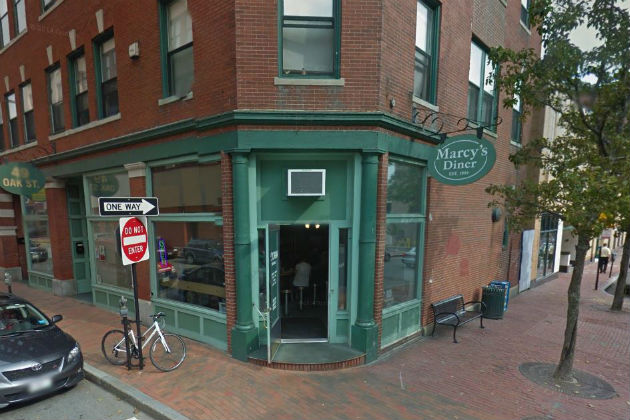
Last week a controversy emanating from a Portland, Maine diner called Marcy’s had blogs bloviating, pundits punditting and social media boiling over. Vacationing parents took their toddler to a crowded diner for breakfast, waited 30 minutes for a table and another 40 minutes for their food. The hungry child went on a crying jag that went on too long for the owner, who suggested that the couple to leave in a less than polite manner, and finally shouted at the little girl to “shut the hell up!” The couple left the diner.
The mother, Tara Carson, couldn’t resist registering her indignation on the Marcy’s Facebook page, the owner responded with even more colorful language than she did in the original confrontation, and social media appeared to divide into the “it takes a village so be sympathetic to parents of young kids and give them a break” camp and the “serves these entitled and incompetent parents right for being so inconsiderate and not controlling their child” camp, with the latter considerably smaller than the former. Then, not content to let the matter blow over, Carson got the Washington Post to publish her op-ed about the episode, which concluded, Continue reading
 Ethics Alarms