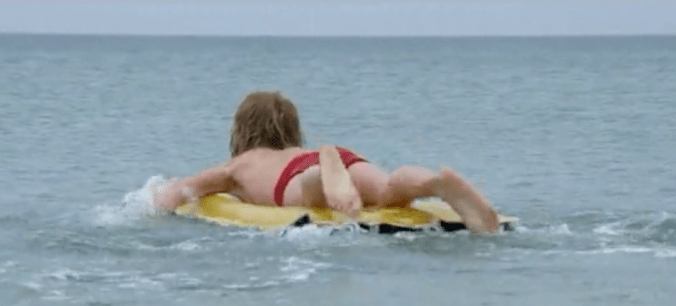
Ethics Alarms Chief Ethics Scout Fred found this one. Tesla was alerted to one seat belt failure in its Model S, and recalled them all. This involved a huge cost, of course, and that cost will be eventually passed on to consumers and investors. Fred asks,
“Abundance of caution” is the phrase they used, one I gather is familiar to lawyers. Could they have justified some other response that was less catastrophically expensive? Would they have had a fiduciary duty to do so? Or would that duty lie in maintaining the brand image of meticulous quality at almost any short-term cost, building a reputation that could command premium prices for decades to come?
The issue was simply this: how much did the company want to bet on moral luck? Tesla was aware of a possible design or manufacturing flaw that could kill passengers. It could have been a fluke, and it could have been widespread. If the cars were not recalled—and I don’t know enough about Teslas to presume that there would be any other way to check every single car or replace the seat belts without the expense of a recall, so I will assume for this discussion that there is not—and one or more passenger was killed, then Tesla management would have suddenly become Sheriff Brodie and Mayor Vaughn in “Jaws,” as articulated, with a slap, by the mother of a little boy who became shark bait while playing on his yellow raft. They knew there was a possible danger, and decided that chancing it was a better call than risking the summer tourist business. They balanced the risks, and did nothing.
 Ethics Alarms