“Porgy And Bess” Ethics

“Porgy and Bess,” the now  iconic opera that premiered in the United States in 1935, tells the tragic and heroic  story of a Southern African-American ghettoemploying  some of the most memorable music in  the musical theater canon. Composer George Gershwin denied licensing rights to  companies that wanted to use white performers in the opera (requiring black make-up)  and his estate still stipulates that the work  be performed by an all-black cast, or rights will be denied.

It will not shock anyone who has read much here to learn that I oppose Gershwin’s all-black edict, just as I oppose objections to actors of any race being prohibited from playing characters of different races. The only question should be whether the production and artistic version is fair to the work and to the audience. Prior restraint of any vision is antithetical to the spirit of the performing arts. I happen to think that a white version of “A Raisin in the Sun” would be ill-advised, but how do I know for sure? I’ve been proven wrong before, and more to the point, I’ve proven others wrong with my own productions.

The inevitable result of Gershwin’s grandstanding, for I believe that’s what it was, is that most people never have a chance to see a full production of “Porgy and Bess.” Yet there is no reason why the cast would have to be all black. Let’s even put aside the inflammatory  issue of “black-face.” Some characters in the show, like the snake-like hustler Sporting Life, could be portrayed as white without distorting the show one bit. Non-traditional casting principles would argue that the whole cast could consist of whites, Asians and others playing the black characters. It would be fun—yes, I think of this kind of principled fight as fun—to cast the show with light skinned African-Americans and mixed race performers who identify as black. What would the Gershwin estate do about that, I wonder? Continue reading
Ethics Quiz: The Natural Lawn

lawn

(Commenters complained that the last quiz was too easy. This one is not.)

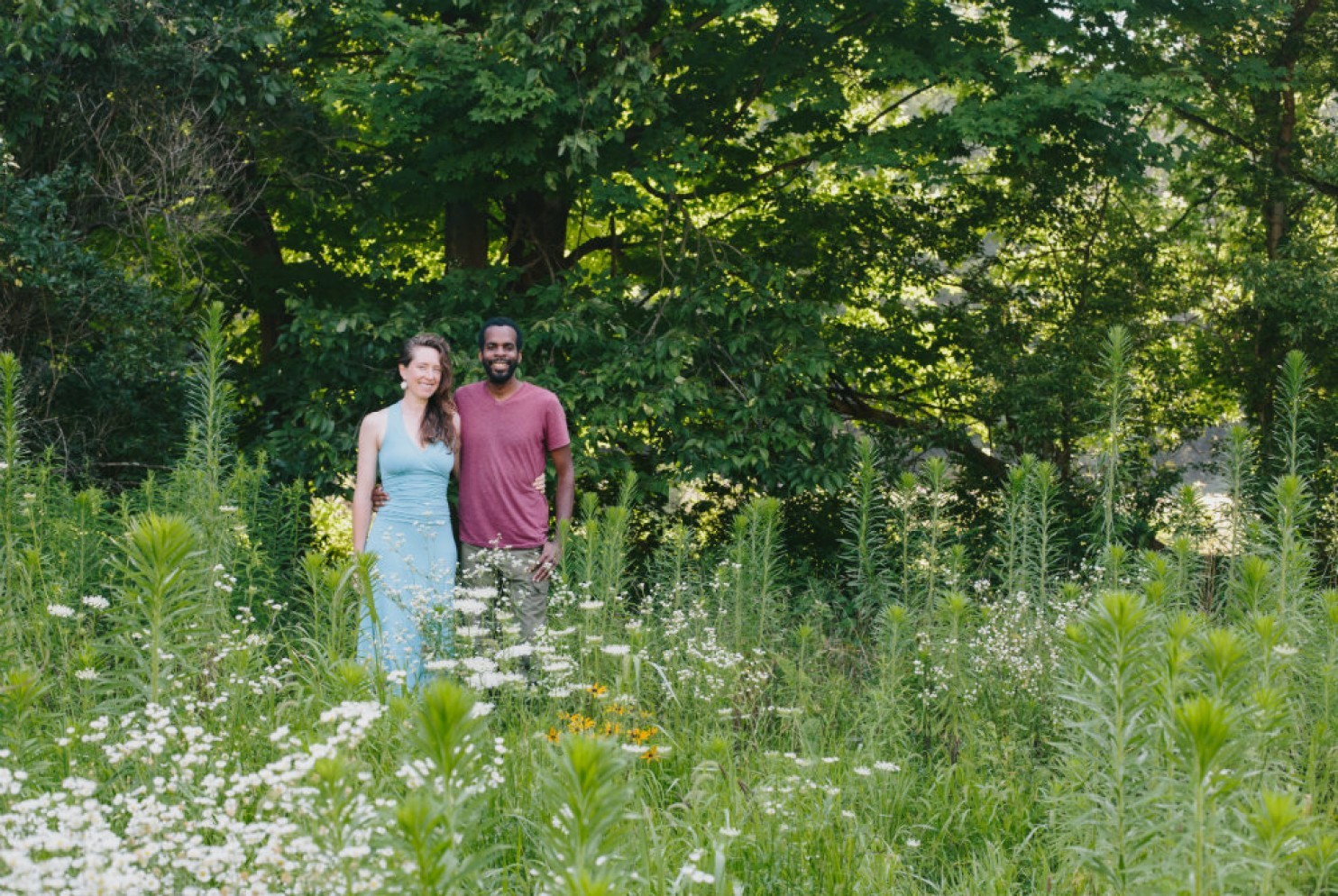
In the St. Albans Township, outside of Alexandria, Ohio, Sarah Baker and her partner  violated the local ordinance and stopped mowing their one acre of property. “A potpourri of plants began to flourish, and a rich assortment of insects and animals followed. I had essentially grown a working ecosystem, one that had been waiting for the chance to emerge,” she wrote in the Washington Post. The first time the couple tried this, they were fined a thousand dollars but capitulated and mowed their lawn. Now, though they have been found to turn their property into a “public nuisance” due to neglect, they are defying the town and certain that they are in the right. Baker writes in part:

” About 95 percent of the natural landscape in the lower 48 states has been developed into cities, suburbs and farmland. Meanwhile, the global population of vertebrate animals, from birds to fish, has been cut in half during the past four decades. Honey bees, on which we depend to pollinate our fruits and other crops, have been dying off at an unsustainable rate. Because one in three bites of food you take requires a pollinating insect to produce it, their rapid decline is a threat to humanity. Monarch butterflies have been even more affected, with their numbers dropping 90 percent since the 1990s. Butterflies are an important part of the food chain, so ecologists have long used them to measure the health of ecosystems.

Nature preserves and parks are not enough to fix the problem; much of wildlife is migratory and needs continuous habitat to thrive. Natural yards can act as bridges between the larger natural spaces…[M]aintaining a mowed and fertilized lawn also pollutes the air, water and soil. The emissions from lawnmowers and other garden equipment are responsible for more than 5 percent of urban air pollution. An hour of gas-powered lawn mowing produces as much pollution as four hours of driving a car. Americans use 800 million gallons of gas every year for lawn equipment, and 17 million gallons are spilled while refueling mowers — more than was leaked by the Exxon Valdez oil spill in 1989. Homeowners use up to 10 times more chemical pesticides per acre on their lawns than farmers use on crops, chemicals that can end up in drinking water and waterways…I’m not alone. Homeowners across the country have latched on to the natural lawn and “no mow” movement.

… If we allow ourselves to see a mowed lawn for what it is — a green desert that provides no food or shelter for wildlife — we can recondition ourselves to take pride in not mowing.”

Your Ethics Alarms Ethics Quiz of the Day is...

Is Baker’s unmown, natural lawn in defiance of the town ordinance ethical?

Continue reading