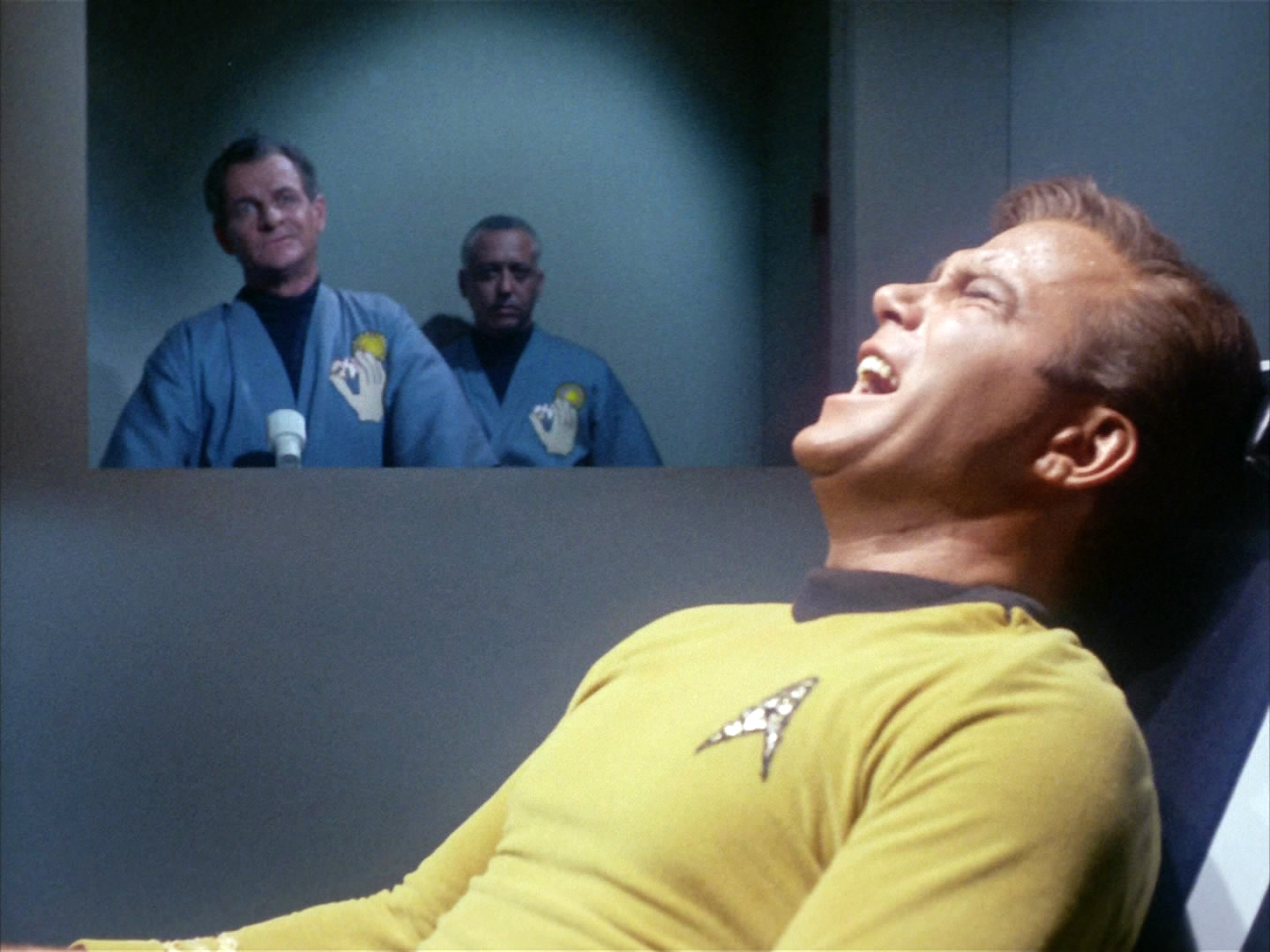
Harvard researchers are on the way to perfecting brain-to-brain interfaces, permitting a human to control the behavior and eventually instincts and emotions of other creatures with thought alone. Continue reading
Harvard researchers are on the way to perfecting brain-to-brain interfaces, permitting a human to control the behavior and eventually instincts and emotions of other creatures with thought alone. Continue reading
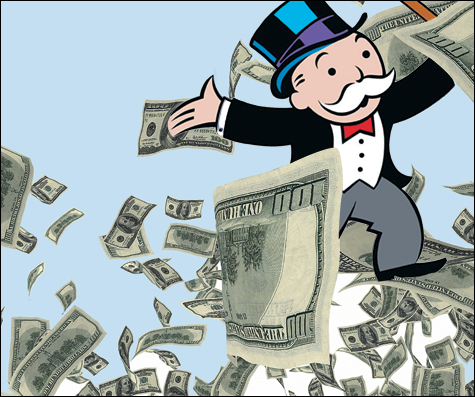 I gather not very many readers sample the links on Ethics Alarms, which is a shame. They contain a lot of different approaches to ethical issues, from many philosophical approaches. Well, heck…I use them , which is really what they are here for. One of the more original thinkers represented among the various sites is Jason Christopher Cockrell, author of The Worst-Case Scenario. It appears that he has abandoned blogging, which is a shame, but his last post, at the end of 2010, was full of surprises. In it, he offered an argument against corporate charity, something I have never heard anyone criticize on any level, except to say that there isn’t enough of it.
The theory behind corporate philanthropy is that it is a win-win for everyone involved. The corporation enhances its public reputation and visibility, improving employee moral and making investors proud to hold stock. Society benefits from substantial contributions that support everything from cancer research to Sesame Street to regional theater. It is hard to imagine what the charitable landscape would look like without corporate philanthropy, but the thought of eliminating it is sufficient to give any professional fundraiser hives. I know—both I and my wife were development officers for many years. Continue reading
 Ethics Alarms