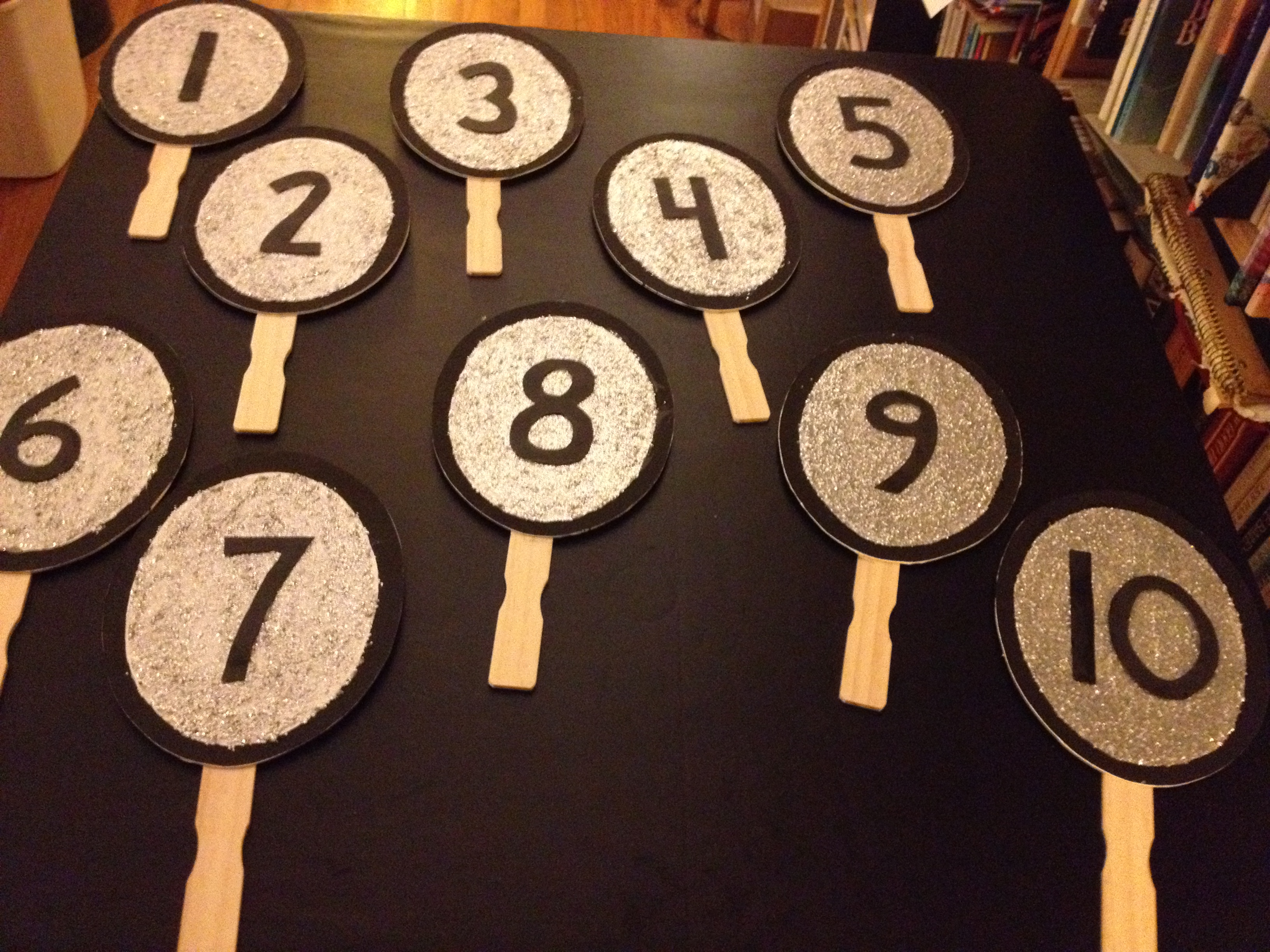
 In a one of my ethics seminars last week before a large audience, my usual practice of polling participants using hand-held numbered ballots, was unwieldy. The client group did not color code them, and there were over 400 present, as opposed to the Dancing With The Stars panel, which is three. I got around the problem by segmenting the crowd and picking different groups to represent the whole. Sometimes just men voted; sometimes women, sometimes one of the four sections of the hall. In other cases, I asked groups that were involved in the case being discussed: family law attorneys. Government attorneys. Mothers.
One of the cases involved a transsexual individual, and I suggested that the transsexuals in the audience vote. Nobody volunteered. The group laughed.
Today I received a very nice note from one of participants, praising my session but criticizing my judgment in that incident:
“You asked the transsexuals to vote, and said you were sure there were some attending [I don’t recall doing this, and I suspect she is thinking of my comment about another potential group] , which produced laughter. Were I a transsexual, I would have felt ostracized and deeply offended. These are people with congenital/hormonal conditions that clash with our social constructs of gender identity. But most importantly, they are people. You are, of course, statistically right to guess that in a group of lawyers of that size, probably there were not many, probably not any, That does not make it OK to perpetuate their ostracism. This is not about political correctness, it is about acknowledging shared humanity.”
Your Ethics Alarm Ethics Quiz of the Day:
 Ethics Alarms