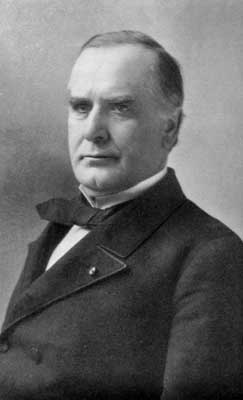
Probably not one in 20 Americans could tell you three facts about William McKinley, our 25th President. He was thoroughly overshadowed by Teddy Roosevelt, the flamboyant and transformative Chief Executive who succeeded him when he was assassinated—that, by the way, is the one fact that one in 20 probably do know. Probably three-fourths of those ignorant 20 know the name Mount McKinley, however, and that it is the tallest mountain peak in the United States.
That alone was one very good reason to keep the mountain named as it was. A nation and its culture requires continuity, tradition, reverence and respect to its past, and it is important for a nation to have abundant reminders of important historical figures who would be forgotten over time without landmarks, memorials, monuments, holidays, town names, statues and streets that prompt this kind of exchange with one’s children and grandchildren:
“Who was McKinley, daddy?“
…Or Lincoln, or Washington…or Obama. A nation that respects and strengthens these bonds with its own history helps ensure that the public maintains a common understanding of the nation’s character and mission. In the case of the United States, it reinforces the vital concept ours is a nation of one people, not warring tribes and factions. This is especially true of our Presidents, who were and are the leaders of the entire nation, not just specific regions, states and nationalities. Continue reading
 Ethics Alarms