Long before Luger Nodar Kumaritashvili of the Republic of Georgia crashed and died on a training run there, Vancouver’s Whistler Sliding Centre, now the site of the Olympics luge, bobsled and skeleton competitions, had been the target of complaints, warnings and controversy regarding its safety. After the first international training event at Whistler in November 2008, the president of the luge governing body openly expressed worries over the speed of the track. Since then, there have been sufficient accidents on the track, not only in the luge, but also bobsled and skeleton races, that the fatal accident there could not fairly be called “a surprise.” Just a day before the Georgian was killed, United States luger Mark Grimmette was quoted as being concerned about the course’s speed, saying, “I think we’re probably getting close, too close, to the edge.” Later the same day, a Romanian luge racer was knocked unconscious during his training run. The frequency of crashes during the training runs last week were far above the norm.
Nevertheless, Olympic and luge officials chose not to make changes to the course that would limit the speeds in excess of 90 miles per hour that luge, bobsled and skeleton competitors were reaching, speeds beyond what they were used to, or had trained to handle.
And yet… Continue reading →
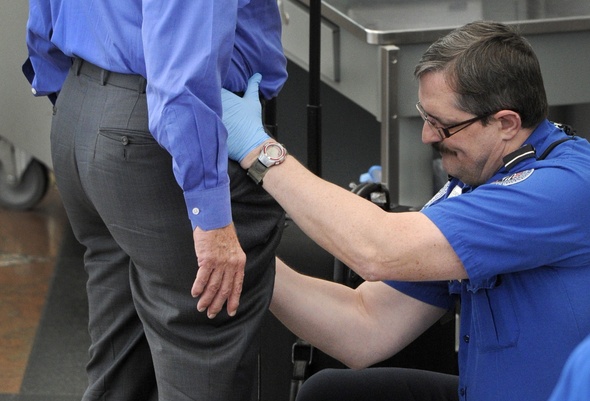 I was flying this week, and the security procedures were smoother than ever. Now I am certain that my molestation at check points last year was unethical, and have sufficient evidence to conclude that it was based on government incompetence and willful disregard for my comfort, dignity, and rights. I am also wondering, more than ever, if the ardent, supposedly liberal defenders of the indefensible feel-up pat-downs have learned anything about the dangers of blind government obeisance and partisan loyalty. I hope so.
 Ethics Alarms