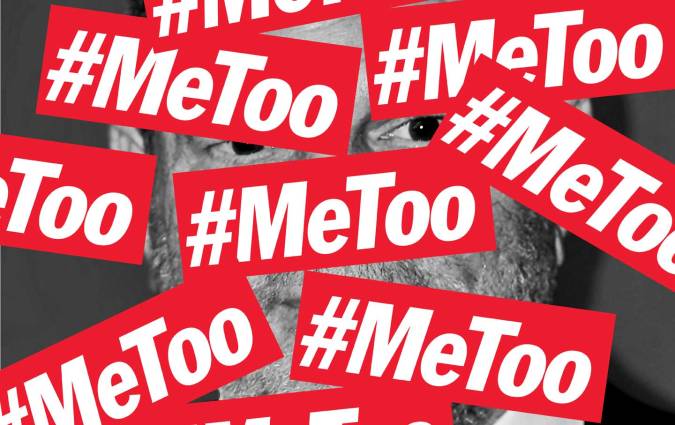
When the #MeToo movement emerged, the idea appeared to be that women (and men!) should speak out about sexual assault and sexual harassment, that powerful people should not feel entitled to take physical liberties with others, and that the culture needed to unequivocally and clearly condemn such conduct. Like most abstract concepts, it sounded good in theory, until—
—the question about what constituted sexual assault and harassment remained unanswered, because in so many cases it is a matter of perception and perspective.
—basic due process and the presumption of innocence were ignored, minimized, or jettisoned entirely, turning the accused into victims themselves
—Democrats sought to weaponized the movement politically, raising questions about motive, equal justice, and bias, and turning what should have been a bi-partisan movement into a cynical partisan one.
—The “women must be believed” mantra, discriminatory, unjust and ridiculous on its face, became part of the narrative and burst into open misandry and outrageous double standards.
Then the Harvey Weinstein Ethics Train Wreck collided head-on with the Brett Kavanaugh Ethics Train Wreck, and here we are among ethical and cultural carnage.
Good job, everybody!
Now here’s where we are: Continue reading

 Ethics Alarms