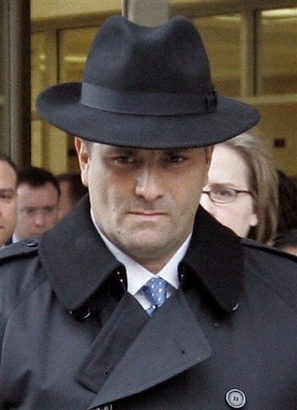
Show us the way, O Wise and Ethical One!
Jack Abramoff, the corrupt lobbyist turned federal prisoner, then author and now ethics expert, will be giving a lecture on government and personal ethics at The University of Texas at Austin’s business school on May 2. This is not as unusual as it seems. My biggest competitors are felons and disbarred lawyers—they literally step right out of professional disgrace, and sometimes jail, into the lecture circuit. They are draws, and in a field like ethics, which is often prescribed as substitute for barbiturates, this is irresistible to professional development programmers and conference organizers. It also attracts the participants that most need real ethics training, but who seek what these fake ethics presenter usually have to offer: real life-based advice on what you can’t get away with. This lesson has about as much to do with ethics as it does with Parcheesi, but unfortunately, that’s what is generally regarded as practical ethics.
Characters like Abramoff don’t have ethics alarms; they have survival alarms. Business schools, politicians and the media still believe that aiming reforms at those alarms, in the form of tougher rules and enforcement, will make business and government more ethical. Think about it: the cultures will still be unethical; the people in them will be just as unethical, but because proven scofflaws and ethics corrupters like Jack Abramoff will explain where they went wrong, all these people with dead ethics alarms, further deadened by absorbing the wisdom of the most corrupt of a corrupt breed, will stop behaving unethically.
Good plan. Continue reading
 Ethics Alarms