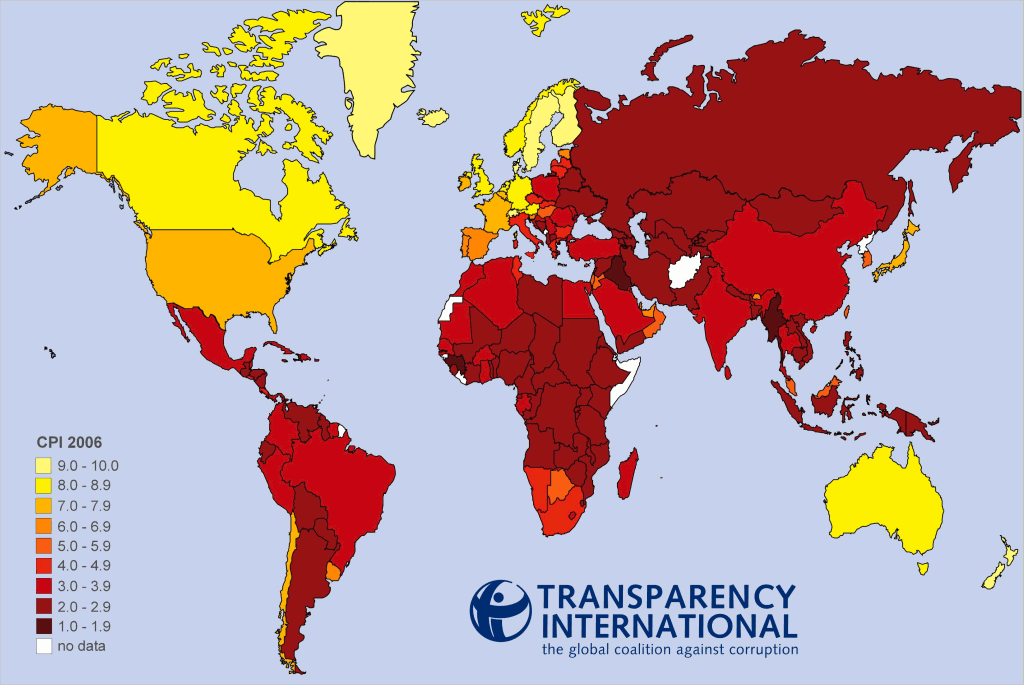
Don't fool yourself...a lot of our leaders would be happy to turn the US "red."
Although Speaker Nancy Pelosi hardly “drained the swamp” regarding corruption in Congress as she extravagantly promised, she did do more to establish genuine, non-partisan oversight of the genuine, non-partisan sleaziness in the House of Representatives. Last year, 20 members of the Congressional Black Caucus, including Rep Mel Watt, co-sponsored legislation that would have gutted and neutralized the Pelosi-created Office of Congressional Ethics. Why did the Congressional Black Caucus have it in for the OCE? Well, a disproportionate number of its members were being investigated for ethics problems. Rep. Marcia Fudge (D-Ohio), who crafted that bill, suggested that this was because the office was racist. In fact, it was because the Congressional Black Caucus has a disproportional number of wheeler-dealers whose definition of “ethics” is self-serving at best, and the OCE, not being subject to political intimidation like the House Ethics Committee, just followed the money and raised the appropriate questions about members’ activities, Republican or Democrat, black or white.
Fudge’s bill died, never coming to a vote in committee or on the House floor, since the House realized that effectively ending ethics oversight after the disgraceful Rangel affair would not look good to voters. Now, however, ethics isn’t the main focus; cutting spending is. So Congressional Black Caucus member (and one-time target of an OCE investigation) Rep. Mel Watt (D-N.C.) is seeking to add an amendment to the Legislative Branch Appropriations bill that would cut OCE’s funding by 40 percent. Continue reading

 Ethics Alarms