Scapegoating Ethics

Scapegoat

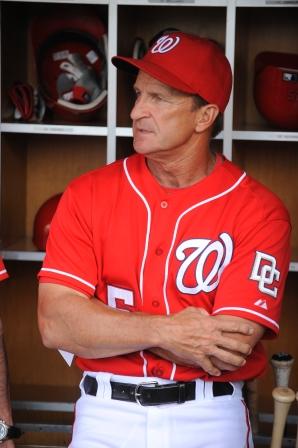
Meet Rick Eckstein. He understands. Really.

As it does predictably and constantly, the daily drip-drip-drama of baseball has given us another ethics quandary to ponder, arising in the context of the sport but with far more significant applications. The issue: is it ethical for an organization to deal with a crisis by firing someone for symbolic value, rather than for cause?

I have written about this traditional phenomenon in baseball before, but the current example is far less defensible on either tactical or public relations grounds. Last season, the Washington Nationals accumulated the best record in the sport, and though they flopped in the play-offs, were almost unanimously expected to be strong pennant contenders in 2013 by baseball prognosticators and more importantly, their fans. So far, at least, those expectations have been dashed. The season is almost two-thirds done, and the Nationals have been uninspiring at best. They have won fewer games than they have lost, and are trailing the Atlanta Braves by an alarming margin. Their pitching has been worse than expected, and their offense has been atrocious.

As is often the case in baseball when teams have a disappointing season after a good one, there is no obvious way to fix the problems mid-season, other than to hope the players start playing better. Unlike the other major team sports, baseball team performance is notoriously quirky, just like the game they play. Excellent players have down years frequently (though not the same players, or they would no longer be considered excellent). Team chemistry evaporates; the ball bounces funny ways. In the case of the Nationals, the most obvious problem has been a flood of sub-par years from almost all the starting position players, with an unhealthy serving of injuries.

The team’s response to its frustration and, really, lack of any substantive way to address it was to fire the team’s batting coach, Rick Eckstein, last week. Continue reading
Don’t Listen To John Feinstein, Nats Fans: He’s Wrong, And He’s Bad For You

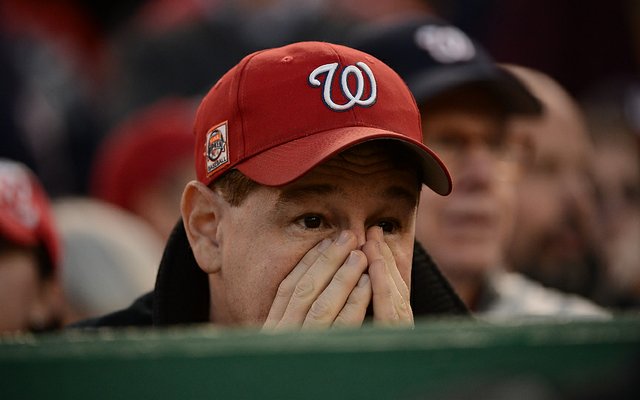
I know how you feel, Nats fans. BOY do I know.

For me, as a Boston Red Sox fan, what befell the Washington Nationals last week stirred unpleasant memories of having my own hopes dashed by the cruel bounces and turns of that little white ball, as it turned my team from sure winners to embarrassed losers faster than you could say”Bucky Dent.” Luckily, as I have explained here, my temporary abandonment of the beloved Hose did not turn me into a Nationals devotee, so I could watch the horrors of the Nats’ ninth inning, decisive game catastrophe, which occurred when they were one strike away from victory and a step closer to their first World Series in 79 years, with analytical detachment. I have consoled my heart-broken friends, and am prepared to help them through the long, hard winter, when visions of “what ifs?”will dance through their heads instead of sugarplums. John Feinstein, the acclaimed sports writer, isn’t helping, however. Continue reading

Comment of the Day: “The Washington Nationals’ Stephen Strasburg Dilemma”

John Glass, a superb and eclectic D.C. area blogger at DramaUrge, weighs in with his usual lucidity on the Stephen Strasburg controversy. Here is his Comment of the Day on the post, The Washington Nationals’ Stephen Strasburg Dilemma: Continue reading

The Washington Nationals’ Stephen Strasburg Dilemma

The real problem with Stephen Strasburg’s pitching arm is that it’s attached to his neck…

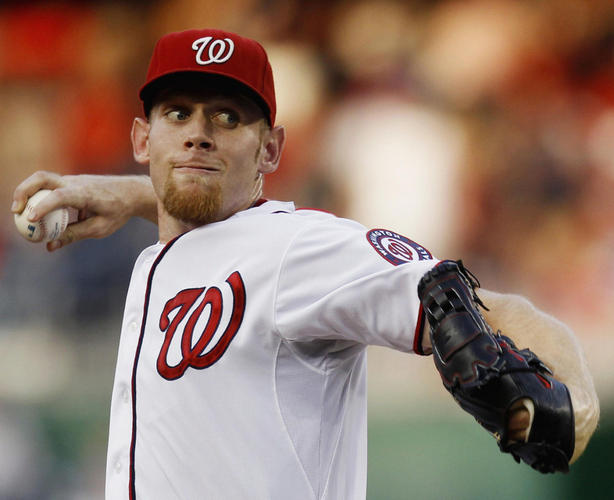
I must apologize to those who care about baseball-related ethics matters. I have been so immersed in the problems dogging my sad and dispirited Boston Red Sox that I have neglected the more glaring ethics issue looming over my current home town team, the Washington Nationals, currently on top of the National League East and almost certainly bound for their first post-season appearance. They face that prospect, however, with a problem: before the season began, management pledged that Stephen Strasburg, the team’s young fire-balling ace who seems destined for a Hall of Fame career, will be shut down for good once he hits 180 innings or less. Strasburg has already had serious arm surgery once, and conventional baseball wisdom now holds that throwing too many pitches before a pitcher has matured risks his arm, his effectiveness and his career. What this means now, however, that was hardly conceivable when the pledge was made, is that the Nationals could be battling the best teams in baseball in pursuit of a World Series title with their best pitcher completely healthy but in mothballs.

I had only given this matter perfunctory focus, concluding as a fan that it was a screwball plan that would never be executed, and not thinking much about the ethics of the controversy—and as you might imagine, it’s a big controversy in the Washington area sports pages. It took respected baseball writer John Feinstein to shock me out of my apathy with his sensible and well-reasoned column on the issue today, that ended thusly:

“Pitching a healthy Strasburg in October is not a betrayal, it’s simply recognizing that circumstances have changed. Not pitching him is a betrayal: to the pitcher, to the team, to the fans and to the city.” Continue reading

Ethics Dunce: Ex-Washington Nationals Manager Jim Riggleman

Jim Riggleman is a major league baseball manager of modest accomplishments, one of the forty or so men in the rotating pool that teams will use to fill manager vacancies with low-risk options rather than try someone promising but with little experience. He had a one-year contract with the hapless Washington Nationals that included a team option for a second, which the manager felt the team should pick up now, rather than at the end of the season.

Riggleman believed that he had some leverage. The Nationals have been surging since star third baseman Ryan Zimmerman has returned from an injury, and are, for the first time in the team’s  short time in Washington (they were once the Montreal Expos), flirting with a winning record more than half-way through the schedule. But as is often the case with players when a club option is involved, the Nationals saw no reason to make a decision on Riggleman’s contract until the season was over. A lot can happen in three months. General manager Mike Rizzo told Riggleman he would just have to wait. That’s what a team option is, after all. The team’s option. Continue reading