I am a student of Presidential assassinations (as you might guess by the posts on McKinley and Garfield), and have been most of my life, ever since I saw a TV special called “Web of Conspiracy” when I was 10, about the Lincoln murder. That led me to read the best-selling book the special was based on, an 800 page, sensational analysis of the mysteries behind Lincoln’s death, by mystery writer Theodore Roscoe, who dabbled in history. The book’s theories and insinuating style are more convincing to a ten-year-old than an adult (I read the book many years later, and it drove me crazy), but the book still has a lot of fascinating tales and theories in it. I was hooked.
Oddly, the one Presidential assassination that has interested me least in recent years is the one I lived through, the assassination of President Kennedy. Blame Oliver Stone, Kevin Costner and Jim Garrison: “JFK” was the most dishonest movie I had ever watched (still is) and I walked out of it when its lies and distortions got too much for me about a third of the way through. Even before Stone’s brilliantly directed piece of crap. I was sick of the conspiracy theories, though Stone manufacturing a link to Lyndon Johnson was the final straw. Yes, the bitter Vietnam veteran really got back at LBJ; I hope it made him feel better. I, however, was soured on the whole topic.
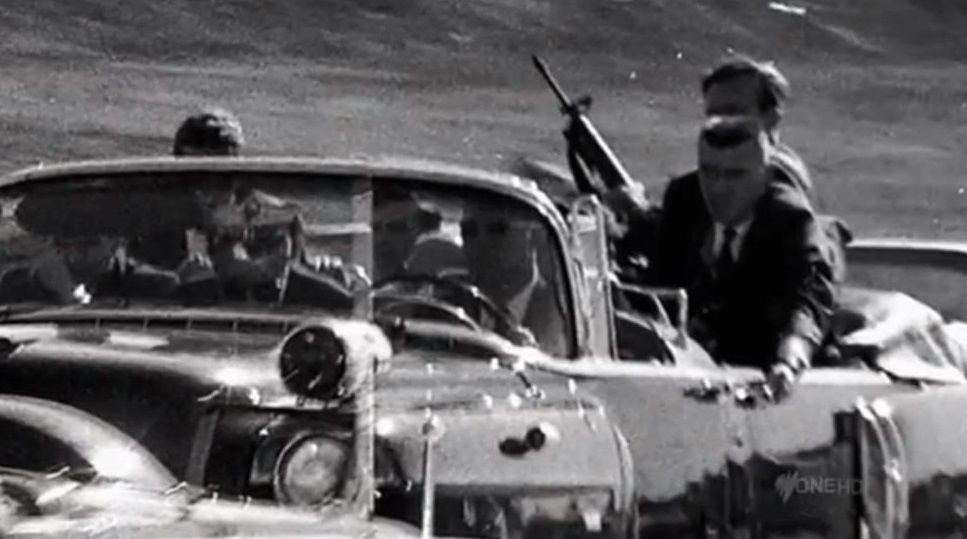
I should have been paying more attention. Netflix is showing a documentary with the generic conspiracy theory title of “JFK: The Smoking Gun,” which was shown on cable two years ago. I missed it; if I had been aware of the film, the title and the subject matter—Oh, who’s behind it now? The Mafia? Nixon? Woody Harrelson’s father?—would have kept me away. But while I was on the road for a couple days doing ethics seminars for VACLE, my wife watched the documentary, and when I returned, sleep deprived, weak and submissive, she made me watch it.
Fascinating. And troubling. Continue reading
 Ethics Alarms