We really have to change sentencing guidelines so that white-collar criminals get the sentences they deserve.
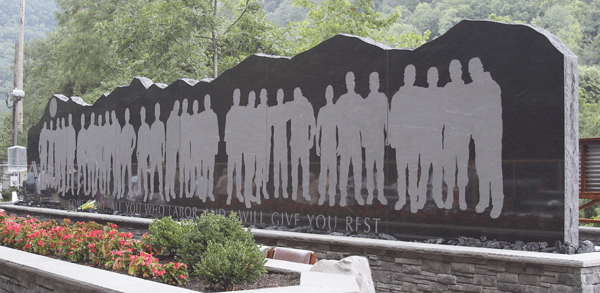
Twenty nine men were killed in West Virginia’s Upper Big Branch coal mine explosion six years ago, and former Massey Energy CEO Don Blankenship, who was found guilty of conspiring to avoid safety regulations that could have prevented those deaths, received only a one-year prison sentence and a fine.
A federal jury convicted Blankenship last year of a misdemeanor conspiracy to violate mine safety standards at Upper Big Branch. The jury acquitted him of felonies that could have put him in jail for 30 years. The judge handed down the stiffest sentence allowed for his misdemeanor conviction, but U.S. Labor Secretary Thomas Perez, prosecutors and the family members said later that the punishment was far too lenient for the nature of the crime.
Indeed it was. Corporations play the odds in a risk-reward game. If violating rules, regulations and laws can save or make millions and the eventual penalty when and if the company is prosecuted is only a fine, many companies and executives think it’s a risk worth taking. . If the risk also includes significant prison sentences for decision-makers, the risk-reward ratio changes significantly.
Blankenship was CEO of a company that intentionally risked the lives of its employees, and 29 men died. One year in jail looks like a rap on the wrist. Forget about the “Affluenza” kid: this sentence is far more disturbing.
“This man has no remorse at all!” a family member of one of the victims said. “He never approached none of us [after the mine disaster], he never told us he was sorry for what happened, and he knows he could have done the right thing.”
“I miss my family. (Blankenship) hugged his,” he continued. “And all he gets is a year. The judge has done great; she gave him what she can give him. But there need to be stricter, more harsh penalties for people like that who put greed and money over human life.”
Yes.

 Ethics Alarms