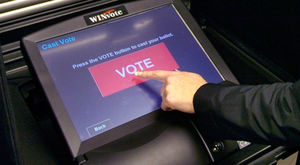
Hey, what could go wrong?
The legal profession is in the midst of an ethics crisis not of its own making. New technologies, including social media, have created opportunities for vastly improved legal services, to such an extent that the American Bar Association has decreed that an ethical, competent lawyer, must use them. It has also made it clear that using them carelessly to the detriment of clients is unethical as well. It all sounds reasonable, except for this: few lawyers are equipped by education, training or nature to be adept at technology. Worse, technology is now changing so fast that few lawyers can keep up with it.
Thus they make mistakes. Costly mistakes, disastrous mistakes, stupid mistakes, and there is no learning curve, because by the time lawyers understand and master a new technology, it is no longer new, and it has taken on a different form that requires them to start all over again. The ABA and other bar associations have acknowledged this through inaction. After numerous instances where their ethical guidelines regarding the use of technology were obsolete or wrong from the moment they were issued, these bodies have resorted to general edicts only, essentially saying, “You must master available legal practice technology, and you must not screw it up. Don’t ask us how, we’re as confused as you are.”
Gee, thanks.
Unfortunately, it is not just the legal profession that is in peril from technological overload, unrealistic expectations and the speed of innovation. Our various levels of governments are, if anything, in even worse peril from the same phenomenon.
One week ago, the Virginia State Board of Elections frantically voted to decertify use of the AVS WinVote touch-screen Direct Recording Electronic voting machine, meaning that the machines, which were used by dozens of cities and towns in Virginia, are effectively banned. Virginia is holding primaries just two months from now, so this has thrown those local governments into a panic. The decision was unavoidable, however, after a shocking a report that demonstrated that the machines could be hacked, and elections rigged, by a 12-year-old…that is, anyone with more technological expertise than local government officials.
 Ethics Alarms