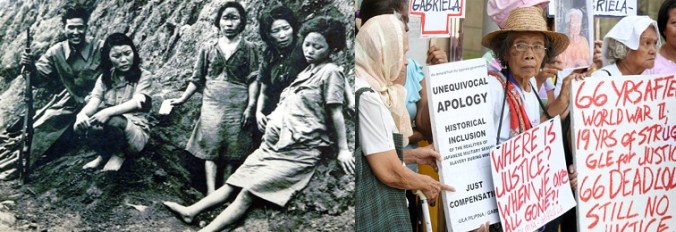
Sam Halverson’s 6th comment to Ethics Alarms is a Comment of the Day, and a fascinating one. It comes in response to Item #2 in the 1/14/18 Warm-up, which involved the seemingly endless argument between South Korea and Japan over the Korean women forced be sex slaves by their Japanese captors during World War II. One of the pleasure of operating this blog is that its readers teach me so much. This is a prime example.
Here is the Comment of the Day by Sam Halverson on the post, Morning Ethics Warm-Up, 1/14/18: Comfort Women, Presidential Health Lies, Pit Bulls And No “Goodbye Columbus”…Yet
Let start this comment by saying; this is not what it looks like.
My dog (a mutt, maybe a little bull terrier, who knows?) is not in this fight between Japan and the Republic of Korea. To categorize it as a fight probably isn’t correct either as the facts have been settled and there has obviously been a huge evil committed by Japan against the people of Korea, one I am not writing this to convince anyone of anything but rather to inform people of something they may not of known before hand. Whataboutism this is not, anger, disgust and a bit of shame it is.
Everyone loves a hypocrite; watching someone fall always delight the side of us that craves spectacle and someone who betrays themselves only raises the precipice higher. Which is why I want to talk about the massive human trafficking problem that goes on in The Republic of Korea.
The Korean people are polite. They do not talk about scandalous things in public, not with strangers and definitely not with foreigners. They would rather ignore a problem in their polite society than admit it exists. Getting an average South Korean to self criticize the culture is like pulling teeth and just as likely to end in blood loss.
For example, it is a blatantly open secret that while prostitution is illegal (as well as pornography) in Korea, it is rampant. There are literal whorehouses that display their wares in the open on the street behind pink curtains and glass walls, police walk by without comment. These are known as “glass houses” and the implied metaphor for the country is apt.
While the Korean government is chastising the Japanese for refusing to apologize for atrocities committed over half a century ago, they are practicing the very same evils today.
Every year an unknown number of women are forced into prostitution and domestic servitude on a country that is rated as a TIER I nation on the U.S. Office to Monitor and Combat Trafficking in Persons, TIER I being reserved that nation’s that comply with international laws on human trafficking.
I wonder if South Korea is afforded leniency because of it’s strategic position in advancing US interests in the region, a reclassification would bring sanctions and weaken US Korean relations. I can personally tell you that that status is crap, unlike the US where human trafficking is hidden behind closed doors there it is as mentioned visible from the street.
How do I know? I was stationed at Camp Hovey, South Korea for a period of one year while serving in the army as an 11B. It’s a smaller camp connected to Camp Casey which is one of the largest and furthest north of the primary American installations. I was stationed there in 2010 and witnessed this with my own eyes. Comfort women still exist, but they are being sold willingly by the Korean public to friends not Invaders. Continue reading

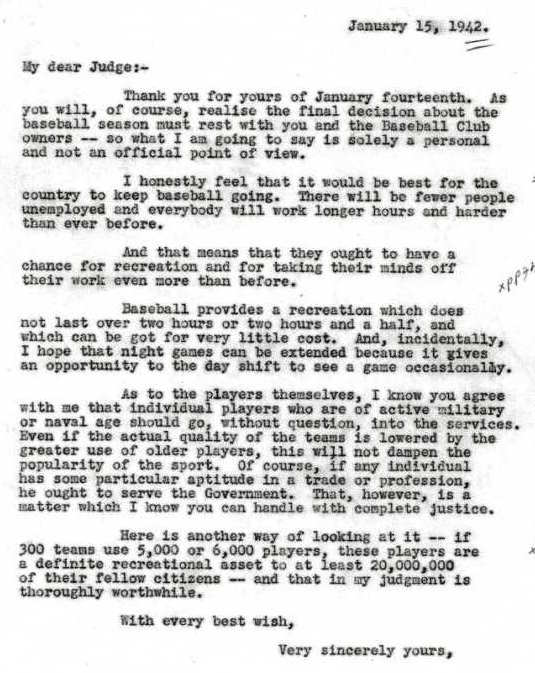
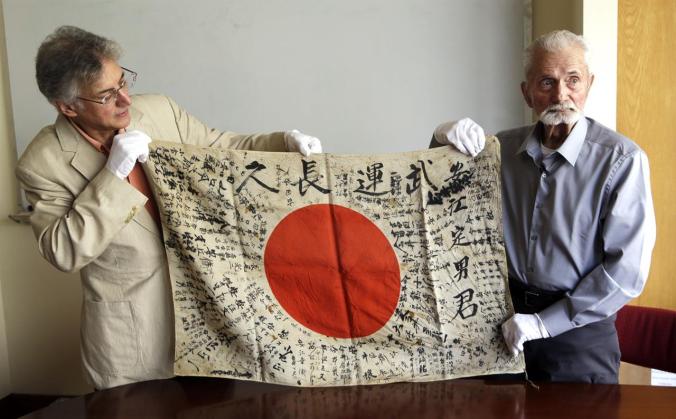

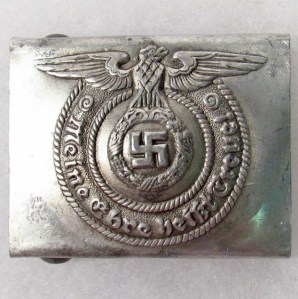



Hamburg, post allied bombing, WWII
Ethics Alarms doesn’t have many discussions of foreign policy, in part because policy is usually less about ethics and more about practical realities, theory and policy. What discussion we do have involves leadership, a secondary passion here. Warfare, in contrast, is an ethics category, but also a grand, meta-ethics morass that isn’t a safe space for ethics generally. I regard war as the ultimate ethical anomaly where the rules and theories break down. We cannot avoid encountering mobius strip sequences like..
War is inherently unethical.
Sometimes war is an unavoidable and utilitarian necessity.
In such cases, it is essential to end such a war as quickly as possible.
The quickest and the most ethical way to end such a war as quickly as possible is by overwhelming and uncompromising force.
Uncompromising force inevitably involves the maximum loss of innocent life, and is unethical.
Half-measures prolong the damage of war and are also unethical.
Wait…where were we again?
My father—the kindest man I ever knew, a grievously wounded war hero and a natural leader who hated guns, detested war (but hated what he saw at the death camp he helped liberate more), would have devoted his life to the military service of his country if he could have and who told his son that if he chose to duck the draft during the Vietnam War that he had his full support—would repeatedly rail against modern surgical tactics designed to avoid civilian deaths at all costs as madness, and a symptom of weak resolve and cowardly leadership. His reasoning: “We could not have won World War II if the news services had been allowed to publicize what war does to civilian populations. It is as simple as that. We would have lost, and Hitler would have won, killed millions more, and divided up the world between Germany, Japan and the Soviet Union. The public had no concept about the horrible things we had to do, and that I participated in, to win that war. If one side is ruthless and the other side is more concerned about collateral damage than winning…and the ruthless side knows it, then ruthless wins.
He died after only a year of Barack Obama’s Presidency, but believed him to be a dangerously deluded and ignorant man regarding the use of power and military force.
I thought about all of this as I read texagg04’s Comment of the Day on the final item of yesterday’s Morning Warm-up. which began,
Here is his Comment of the Day, which Dad would have admired, on the post. “Morning Ethics Warm-up 7/7/17”: Continue reading →