Ethics Hero Emeritus: Eric Lomax, 1919-2012

Eric Lomax was a hero of forgiveness.

Eric Lomax, his book, the Bridge on the River Kwai,, and his friend, the man who tortured him.

In 1942, Eric Lomax, was a 19 year old  member of the British Royal Corps of Signals stationed in Singapore when he joined thousands of British soldiers in surrendering to the Japanese. It was 1942. He was one of those shipped to Thailand and became one of the slaves laboring to build the Burma Railway, also known as the Death Railway. The building of the railroad and the brutal treatment of the English prisoners by their Japanese captors  formed the plot of the classic 1957 David Lean film, “The Bridge on the River Kwai,”

After Lomax was discovered to have built a radio receiver from spare parts, he was mercilessly tortured and interrogated by his captors.  After his release, fantasies about murdering his main torturer, a man named Nagase Takashi, obsessed him. Lomax spent the early years of his retirement in the 1980s looking for Takashi, and eventually learned that he had become an interpreter for the Allies after the war. In 1992, he stumbled across an article profiling Nagase and noting that he was haunted by guilt over his mistreatment of one British soldier. That soldier, Lomax realized, had been him. He arranged to meet the man who tortured him, and whom he had spent the rest of his life dreaming of murdering.

Torturer and victim met in 1993, on the infamous bridge Lomax had been forced to help construct (and which was not blown up, the film ending notwithstanding). Continue reading


Memorial Day Ethics Dunce: MSNBC Host Chris Hayes

My hero.

Yesterday, the day before Memorial Day, MSNBC host Chris Hayes said this:

“Thinking today and observing Memorial Day, that’ll be happening tomorrow.  Just talked with Lt. Col. Steve Burke , who was a casualty officer with the Marines and had to tell people [inaudible].  Um, I, I, ah, back sorry, um, I think it’s interesting because I think it is very difficult to talk about the war dead and the fallen without invoking valor, without invoking the words “heroes.” Um, and, ah, ah, why do I feel so comfortable  about the word “hero”?  I feel comfortable, ah, uncomfortable, about the word because it seems to me that it is so rhetorically proximate to justifications for more war. Um, and, I don’t want to obviously desecrate or disrespect memory of anyone that’s fallen, and obviously there are individual circumstances in which there is genuine, tremendous heroism: hail of gunfire, rescuing fellow soldiers and things like that. But it seems to me that we marshal this word in a way that is problematic. But maybe I’m wrong about that.”

   Well, yes, Chris, you’re wrong about quite a lot.

Chris was wrong, for example—as well as disingenuous—to say that “you don’t want to obviously desecrate or disrespect memory of anyone that’s fallen” and then come out with this insulting and fatuous gibberish that disrespect the memories of the fallen. And to do it on the very weekend when millions of families across the nation are honoring their fallen, or, in the case of my family, a father who braved combat in World War II, was wounded, decorated, and regarded his service in defense of his country the greatest achievement of his life.

Hayes was also wrong, as well as incompetent and unprofessional, to utter such a half-baked and incoherent opinion without having the respect to think it through carefully, express it articulately, and in general without meeting his obligations as a broadcaster to be worth listening to. If a commentator is going to make a statement that he knows will offend and upset grieving families, he should at least know what he wants to say and have the skill and courage to say it clearly. As it was, all he managed to do was to make a gratuitous slur against patriots who put their lives at risk because their nation asked them to, instead of taking morally craven positions from the security of a TV studio that only exists because of the sacrifices such heroes made. Continue reading

The Korean President’s Dinner: President Obama, I Owe You This One

Funny...you don't LOOK Japanese!

Having joined reflexive Obama-bashers by assuming the worst based on an unjustified reading of a leaked diplomatic cable and subsequently criticizing the White House for something it did not do, allow me to continue my contrition and repentance by flagging another example of the same phenomenon, also involving Asian diplomacy and equally unfair, being trumpeted by some of the same sources that led me astray.

The headlines: “ANOTHER WHITE HOUSE STAFF SCREWUP”  (Instapundit) …“Obama Honors South Korean President With Japanese Food” (The National Review)

Where did this come from? USA Today reported the fare for the upcoming  White House dinner honoring South Korean President Lee Myung Bak: Continue reading

Comment of the Day: “Follow Up and Clarification On The Hiroshima Apology Cable: I Was Wrong, I Apologize…and More”

Rick Jones, whose blog is a constant source of information, provocation and thoughtfulness, generously contributes his analysis to the botched Hiroshima apology story in this Comment of the Day.  To summarize: here and elsewhere, a Wikileaks-released diplomatic cable from 2009  prompted a stampede of mostly conservative news sources to report that President Obama had suggested the possibility of apologizing for the atom bombing of Hiroshima in World War II.  I encountered the story, tracked it in several sources that have proven reliable in the past, and commented on it, critically. About 24 hours later, a friend with impeccable diplomatic credentials and inside information properly chastised me for taking the bait, and offered conclusive evidence that the cable had been misinterpreted. You might want to read my post of last night apologizing to readers and the President that also raises the issues that Rick addresses in his Comment of the Day. I have a follow-up comment at the end:

“While I admire your acceptance of responsibility for what appears to have been a misinterpretation, your commentary raises other issues. Continue reading

Follow Up and Clarification On The Hiroshima Apology Cable: I Was Wrong, I Apologize…and More

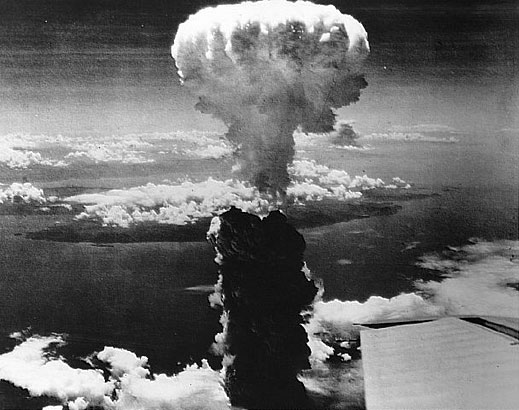
This is my indignation going up in smoke.

There are certain advantages that come from making an incorrect conclusion and publicizing it: sometimes you learn something valuable.

Here’s what I have learned about the diplomatic cable discussed in my post, “How Do I Write A Measured Ethical Analysis When I Am Shaking With Indignation and Rage?“:

1. The officer was reporting a hypothetical situation that the Japanese government official raised during the planning stage of the Obama’s visit.

2. The White House never proposed an apology. The fear of the Japanese was that if he went to Hiroshima, some groups within the country would expect an apology.

3.This key paragraph contains the officer’s assurance to the American Ambassador that the Japanese government would prevent any call, from the Japanese, for a public Presidential apology.

I have all of this from a reliable, credible diplomatic source who I know personally and who was in Japan at the time the cable was sent. This is no credit to me: I received an e-mail that said, in effect, “You Moron! You have no idea how to read diplomatic cables!!! Here’s what really happened…” Continue reading

How Do I Write A Measured Ethical Analysis When I Am Shaking With Indignation and Rage?

None of these men had the arrogance to believe it would be appropriate to apologize for the difficult choices made by their predecessors. They were right.

UPDATE, 10/13 Readers: This post has been proven wrong, based on a misinterpretation of a diplomatic cable that has been clarified to Ethics Alarms by a reliable and objective source. You can read  the explanation, and my apology, here.

I will try.

A secret cable dated Sept. 3, 2009 was recently released by WikiLeaks.  Sent to Secretary of State Clinton, it reported that Japan’s Vice Foreign Minister Mitoji Yabunaka told U.S. Ambassador John Roos that “the idea of President Obama visiting Hiroshima to apologize for the atomic bombing during World War II is a ‘nonstarter.'”*

The Japanese did President Obama and the United States an enormous  favor, but the utter foolishness and lack of comprehension of national principles, American history and the duties of presidential leadership shown by the fact that the idea of such an apology could get to the point where the Japanese had to reject it goes beyond mind-boggling and shocking to frightening, infuriating and offensive. Continue reading

Ethics, Stereotypes, and Holly Golightly

"Andy Hardy, the Asian Years"

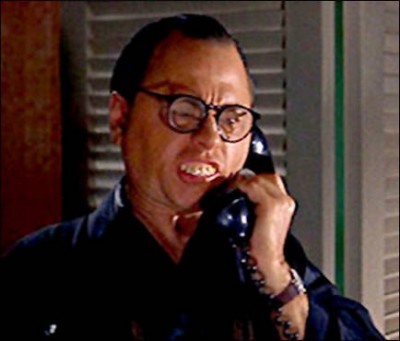
A Bronx woman, Ursula Liang, has started a petition against Brooklyn Bridge Park’s “Movies With A View” series showing “Breakfast at Tiffany’s,” the 1961 Audrey Hepburn classic that gave us “Moon River” and one of actress Hepburn’s most endearing performances. Why? Well, the movie, which has long been popular for summer screenings in New York City and elsewhere, also contains a pre-political correctness performance by Mickey Rooney as Holly Golightly’s comic Japanese neighbor, “Mr. Yunioshi.”

Rooney’s performance, in my opinion, was cringe-worthy even in 1961, one of director Blake Edwards’ not uncommon excesses in vaudeville humor, placed in a context where it didn’t belong. It is a scar on an otherwise marvelous film, but there is nothing inherently wrong with comic stereotypes. Stereotypes are a staple of comedy, and have been forever; the question is whether a particular stereotype is cruel, gratuitous, harmful, or funny. Some stereotypes are cruel and funny. Continue reading

Flashback: “What Hugo Alfredo Tale-Yax Can Teach America”

The Late Hugo Alfredo Tale-Yax

[Not many people were checking in on Ethics Alarms when I wrote this post in response to yet another example of bystanders choosing to do nothing when a human being was in peril. Some of the comments to the Alameda post, those making excuses for the 75 faint-hearted or apathetic citizens in that city who would rather gawk at a tragedy than try to stop it,  caused me to recall the essay, which explores related issues.  I wrote it, but I had nearly forgotten about the story; when I re-read it today, I got upset all over again.Here, for the second time, is “What Hugo Alfredo Tale-Yax Can Teach America.”]

The one with the premium-grade ethics alarms bled to death on the sidewalk. The people who never had theirs installed at all took pictures. Is this the way it’s going to be? Continue reading

The Death of Raymond Zack: No Heroes, Only Bystanders

50-year-old Raymond Zack waded into the surf on an Alameda, California beach and stood calmly in the 54-degree water, apparently waiting to die. His suicide took nearly an hour, but eventually he drowned, with no rescue attempts from any of the 75 San Franciscans who gathered on the shore to watch the entire tragedy.

Why didn’t anyone try to rescue the man?

Apparently it was because nobody was paid to do it. You see, stopping Zack from killing himself wasn’t anyone’s job.

The media’s focus in reporting yet another disturbing incident with echoes of the murder of Kitty Genovese has been exclusively on the inert Alameda police and firemen who witnessed Zack’s suicide. “Fire crews and police could only watch,” wrote the Associate Press.

What does the AP mean, “they could only watch”?  Were they shackled? Held at gunpoint? Were all of them unable to swim? They didn’t have to watch and do nothing, they chose to watch and do nothing, just like every one of the bystanders who weren’t police or firemen chose to be passive and apathetic when saving a life required action and risk. Continue reading

Ethics Quiz: What Is Wrong With This Statement?

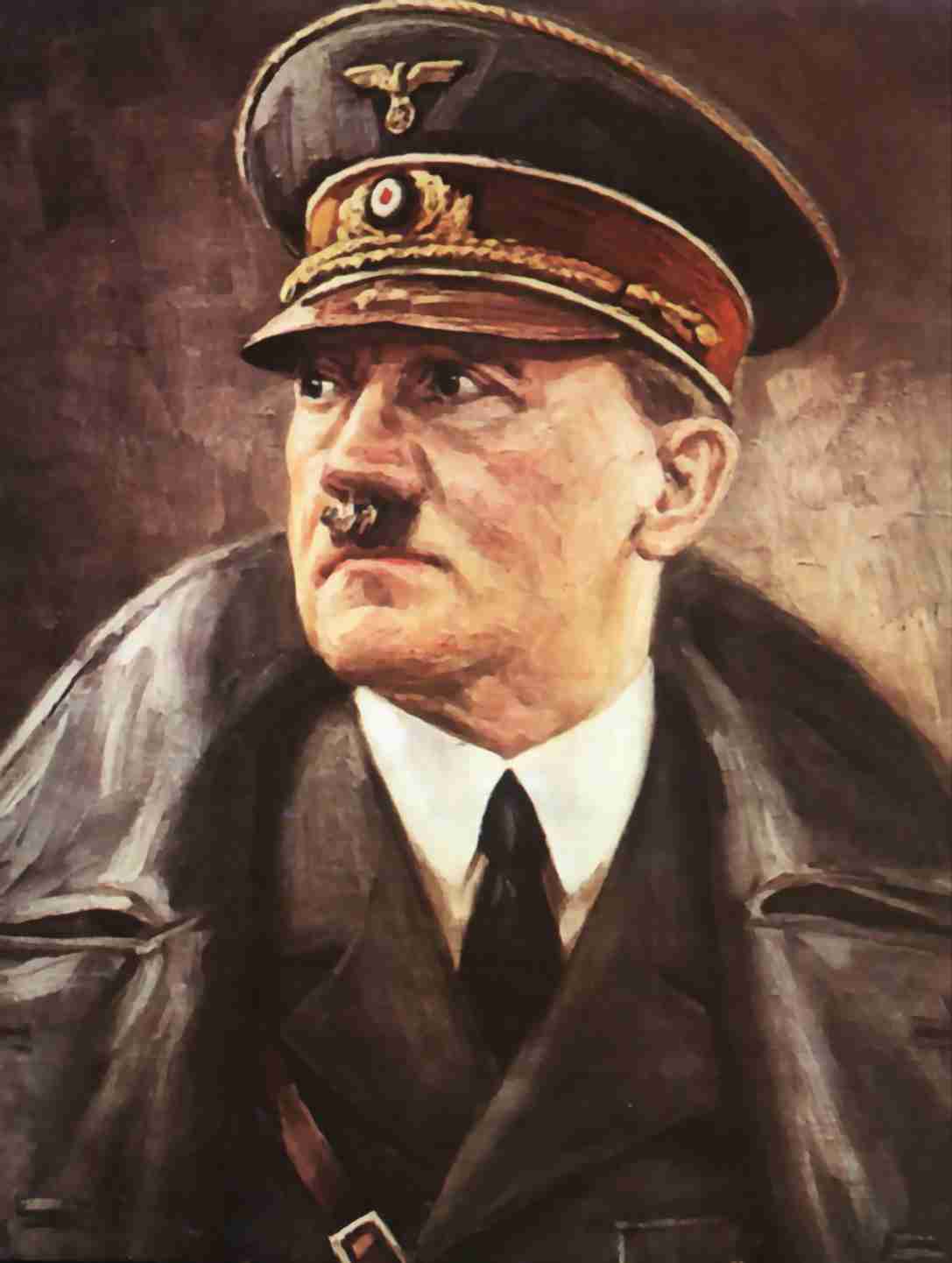
Wait...is there some problem with making Hitler jokes in France?

“The Festival de Cannes provides artists from around the world with an exceptional forum to present their works and defend freedom of expression and creation. The Festival’s Board of Directors, which held an extraordinary meeting this Thursday 19 May 2011, profoundly regrets that this forum has been used by Lars Von Trier to express comments that are unacceptable, intolerable, and contrary to the ideals of humanity and generosity that preside over the very existence of the Festival. The Board of Directors firmly condemns these comments and declares Lars Von Trier a persona non grata at the Festival de Cannes, with effect immediately.”

—- The Cannes Film Festival organizers, kicking Danish director Lars Von Trier out of the event (though his film remains in the competition for a prize) for some rambling, clearly (if ineptly) facetious comments he made to reporters in response to a question, referring to himself as a Nazi and saying that Israel was “a pain in the ass.”

This should be an easy one.