A mark of failure, or betrayal?
I appreciated Amy Winehouse’s talent rather than enjoyed it. Nevertheless, her death-–many have said her completely predictable death—of a drug overdose at 27 once again causes me to ponder the recklessness with which gifted artists who can give so much to the world throw their lives away.
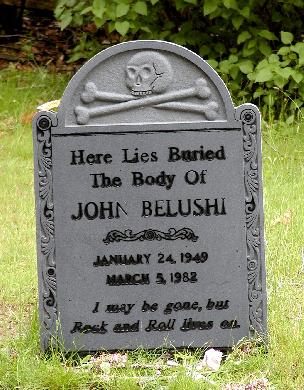
As an ethicist who never hesitates to hold individuals ethically responsible for conduct that harms others, I have not completely worked out in my own mind how to characterize the many artists and performers whose self-engineered destruction have robbed the world of laughter, enlightenment, and joy. Every time I watch John Belushi in “Animal House” or an old Saturday Night Live clip, I get angry at him—I admit it. I know Belushi didn’t want to die young any more than I wanted him to die young, but he treated his life as if it was disposable and without value, when it really was of extraordinary value. When Belushi sacrificed it in a stupid drug binge, it was more than a tragedy for his friends, lovers, colleagues and family; it was a tragedy for the art and history of comedy. Much the same can be said of Amy Winehouse—and James Dean, Jimi Hendrix, Billy Holiday, Heath Ledger, Michael Jackson, River Phoenix, Marilyn Monroe, and Elvis.
There are many who will argue that The Animals were right when they sang in their Sixties hit, “It’s my life, and I’ll do what I want.” Few of us, however, can truthfully say that if we end our lives prematurely, we only harm ourselves, and artists perhaps least of all. I think of a gifted artist (including in the term performing artists) as being like a trustee, with an ethical duty to the beneficiaries—the audience, the community, the nation, civilization—to protect and use his or her unique talents to bring joy and inspiration to the world as long as possible. By this analysis, squandering those talents on recreational drugs and other reckless behavior, is wrong, the equivalent of a crime against humanity.
This doesn’t seem quite right either. Great talent and great strength of character appear to have no correlation at all, and the burdens of fame, celebrity, wealth and influence have broken down many strong and intelligent individuals. There is a correlation between artistic talent and emotional maladies and addiction; we cannot say that one is an unavoidable consequence of the other, but logic and caring demand that we accept that many people with great talents are incapable of mustering the inner resources necessary to allow them to be capable trustees. Trustees of great wealth who realize that they can’t meet their responsibilities can, and should, give up the job to someone more trustworthy. Trustees of great talents, however, have no similar option. They are stuck with their talents, and the responsibilities those talents create, for life, however long or short. Far from creating a reason to conquer the artists’ demons, the burdens of the talent often nourish them.
So the fair and compassionate answer is no, Amy Winehouse didn’t cheat the world. The singer was a fragile personality ill-equipped to be the trustee of her musical gift. She failed, that’s all. None of us can say that the troubled woman didn’t do the best she could to stay alive so she could meet the obligations her unusual talents created.
Such failure is tragic, but it isn’t unethical.
 Ethics Alarms