A conundrum I have been asked to solve:
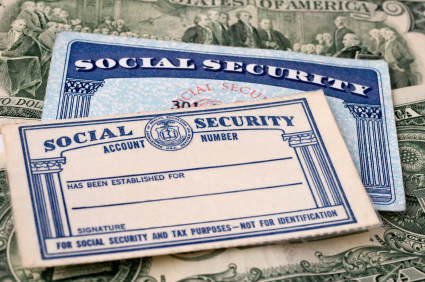 A mother is working to get her foreign adopted child a new copy of his Social Security card, which was lost. The child is a citizen since infancy, and a SS number has been assigned to him, but the process for a naturalized alien to get another is long and fraught with red tape, delays and frustration. So far, replacing the card has taken ten months, though it was supposed to take three. Now the son is waiting for the card to be issued. Social Security says it is waiting for final approval from Immigration, and Immigration says that there is a bottle neck, but not to worry.
Meanwhile, the boy has a standing job offer for a job that he is excited about and that would help family finances considerably. He cannot be processed without a Social Security card, however. And the job will not be held open forever.
For $250, a friend of the mother’s can get a counterfeit Social Security card with the son’s real number on it. He can have it in a week,
Your Question, in the last Ethics Quiz of 2011:
Granted that getting such a fake card is illegal, is it unethical?
None of the agencies involved dispute his citizenship, that he is enrolled in Social Security or that his number is valid. He has a document from Social Security that lists his number. The fake card would not assert anything that wasn’t true, except that he actually had the official card. He would be offering fake proof, but fake proof of something that is undisputed and true.
Is this one of the rare cases when conduct would be both illegal and ethical?
I’ll take your responses and update this with commentary later.








 Ethics Alarms