
Luke Heimlich is a rising college baseball star pitcher at Oregon State, and may well have a future in Major League Baseball. There is a problem though: Heimlich, 22, pleaded guilty to sexually molesting his 6-year-old niece when he was 15 years old. The further complication: he denies that he committed the crime, which was not just one incident but a pattern over two years. He told The New York Times that he only pleaded guilty to ” for the sake of family relations.” “Nothing ever happened,” he told the paper. The girl’s mother, however, says there is no question that he was guilty.
I’m tempted to say that it’s no wonder he pleaded guilty when he was 16. One of the charges was dropped and he was placed on two years’ probation, took court-ordered classes and had to register for five years as a Level 1 sex offender, which in the state of Washington means a low risk to the community. He had to write a letter apologizing to his niece. After five years, the records were expunged and he no longer has to register as a sex offender. What a deal!
Last year story was broken by the newsmedia, and now there is a controversy over whether Heinlich should be allowed to play college baseball. Brenda Tracy, a victims’ rights activists, asked the Times,
“What kind of message does that send our kids?” she asked. “We have now normalized this behavior. The feeling at Oregon State right now is that our team is winning, so they’ve moved on. What does that say to the little girl in this case? What does it say to all survivors?”
Then there is my concern: what does it say about this man’s character that he pleaded guilty to get a lenient deal, and now blandly says that he was lying? I’d view him as more trustworthy if he admitted the crime, was remorseful and repentant, and accepted responsibility. If he did molest the girl, and still denies it, one can hardly say that he has been rehabilitated.
Your Ethics Alarms Ethics Quiz of the Day:
Should Luke Heimlich be allowed to play college baseball?
I’d like to see the polling on this…



 Ethics Alarms
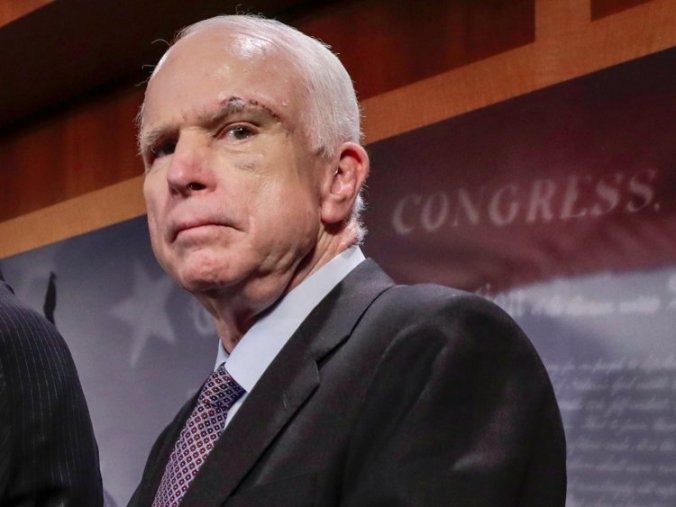
I am bumping Steve-O-in-NJ’s reaction to the depressing drama of Senator John McCain spending his last days in anger and bitterness up in the queue of pending Comments of the Day, which is long right now. The reason is that his analysis fits neatly into a post I was about to write, but will summarize here as a preface.
The impulse to defend McCain’s recent conduct, notably disinviting President Trump from his funeral in advance, is one more in a long line of signature significance moments, definitively identifying late stage sufferers of anti Trump hysteria. (Trump Derangement Syndrome just isn’t an accurate diagnosis, because it suggests equivalence with the more unhinged critics of Presidents Clinton, Bush and Obama. There is no comparison. It is like comparing a bad cold to the bubonic plague.) The grotesque theater of a public figure choosing, rather than to end his life with grace, forgiveness and unifying good will, choosing to emulate the mad Ahab, screaming,
He has gone full-Ahab. You never go full Ahab. But because the equally mad haters of the elected President relish the thought of any insult, attack or indignity hurled Trump’s way, the can’t perceive the obvious. Defending McCain’s prospective snub is as clear a symptom of anti-Trump hysteria as a dog recoiling from water signals rabies.
My usual course is to make an ethics analysis and then check the opinions of analysts who I trust as generally fair and perceptive. Here was Ann Althouse’s take, in part:
Those who respect and care about McCain want him to stop. Those who hate Trump so much they are willing to see a war hero and former Presidential candidate embarrass himself to deliver one more divisive insult just regard him as a means to an end.Here is Steve-O-in-NJ’s Comment of the Day on the post, A Particularly Sad Ethics Dunce: Senator John McCain:
Continue reading →