In last week’s open forum, there was discussion regarding this incident:
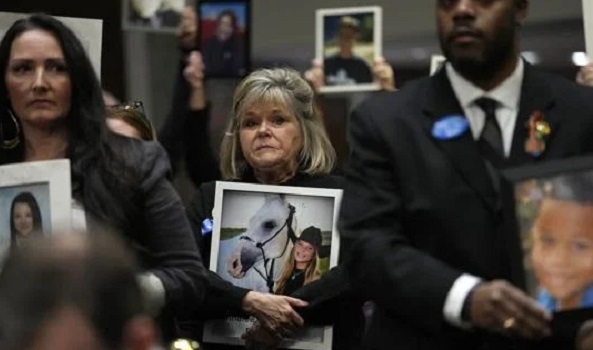
During his testimony in a U.S. Senate hearing on social media and its negative effect on children, Meta founder and CEO Mark Zuckerberg responded to a question inquiring whether he had taken any action to mitigate the problem, such as firing employees, providing compensation to alleged victims or apologizing to the families of people who were harmed by posts on Facebook or Instagram, which his company also owns. In response, Zuckerberg stood up, turned to an audience including parents holding up pictures of loved ones, and said,
“I am sorry for everything that you have gone through. It’s terrible. No one should have to go through the things your family has suffered. And this is why we invested so much and will continue doing industry leading efforts to make sure that no one has to go through the types of things your families have had to suffer.”
Tasked (by himself) with deciding where this statement falls on the Ethics Alarms Apology Scale, commenter JutGory opined,
It almost looks like a Number 8 (A forced apology for a rightful or legitimate act, in capitulation to bullying, fear, threats, desperation or other coercion.), except that Zuckerberg is not apologizing for a rightful or legitimate act. The Legislators were ascribing acts to him when he did nothing.
It also looks like a 10 (An insincere and dishonest apology designed to allow the wrongdoer to escape accountability cheaply, and to deceive his or her victims into forgiveness and trust, so they are vulnerable to future wrongdoing.), except that, again Zuckerberg is not apologizing for something he did.
I think the Apology Scale needs another collateral entry that does not actually fit on the scale: The Appeaser’s Apology: A forced apology offered in response to a baseless accusation of wrongdoing because the person demanding the apology is too stupid or self-righteous to bother reasoning with.
I’m open to the idea of adding The Appeaser’s Apology to the scale with Jut’s definition, but it wouldn’t be Zuckerberg’s stunt, because that wasn’t an apology. He took no responsibility for the alleged wrongs being discussed; he admitted no fault, and expressed no regret or contrition for his own actions or those of his companies or employees. This was pure deceit. Nobody was fired, and nobody was compensated, so Zuckerberg launched a deceptive fake apology to pretend he was at least one-for-three among the potential remedial actions he had been asked about. He remained zero-for-three, but the trick worked.
If I say “I’m sorry for your loss” to a freind who has had a death in his family, am I apologizing for it? Clearly not, and neither was Zuckerberg apologizing for the alleged harm done to children by social media. He was grandstanding, and setting himself and his company up as diligent, caring rescuers, not accepting responsibility for what supposedly required the rescue.
Because they are dimwits, the press fell for it, and called that doubletalk an apology. A real apology might have opened Meta up to lawsuits and damages: its CEO admitted nothing, and apologized for nothing. The statement was probably scripted in advance by the legal department.
I am sorry journalists are so incompetent, lazy and stupid. It’s terrible. No one should have to go through what our nation is going through because of it. This is why I invest so much time and effort to try to make sure this problem gets better when enough members of the public demand real, fair, ethical journalism.
Did I just apologize for what I said I was sorry for, or accept any responsibility for it?
 Ethics Alarms
“If I say “I’m sorry for your loss” to a friend who has had a death in his family, am I apologizing for it?”
Reminds of one of my favorite lines: “I’m sorry” and “I apologize” mean the same thing… except at a funeral.
Now we can add “In Congress.”