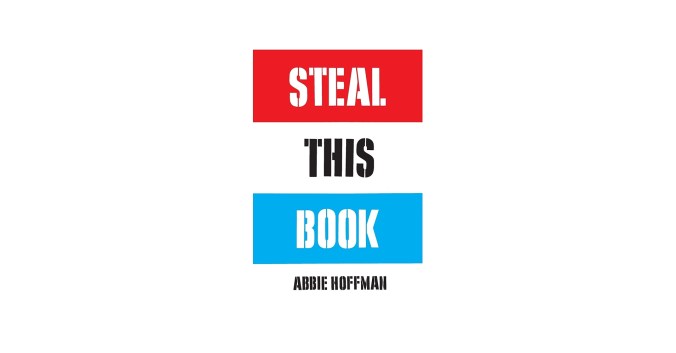
Wow. Great job, New York Times!
That’s a gift link to this head-exploding piece: “‘The Rich Don’t Play by the Rules. So Why Should I?’ ” That states pretty clearly an example of Rationalizations #1, #2, and #2a on the Ethics Alarms Rationalizations List: 1. The Golden Rationalization, or “Everybody does it,” 2Whataboutism, or “They’re Just as Bad“and 2 A. Sicilian Ethics, or “They had it coming.” These rationalizations aren’t so high on the list by random chance. They are near the top because they are ancient, popular, invalid and obvious rationalizations that have been rotting society for thousands of years. Yet the New York Times thinks its worth pondering whether such anti-ethical reasoning is justified.
I hate to repeat myself, but this exemplifies how today’s Left thinks.
Left-wing “influencer” Hasan Piker and New Yorker writer Jia Tolentino did a video interview with culture editor Nadja Spiegelman on “the ethics of theft.”
[Pssst! There is no “ethics of theft.” Theft is both unethical and immoral, as well as illegal (you know, that Ten Commandments thingy).] This is a podcast that should have lasted,oh, ten seconds or less. Nadja begins with this fatuous intro: “I’m proposing a new term: Microlooting. People are taking small things from big corporations and they’re feeling justified. But is it a slippery slope? What’s going on with our moral code?”
Of course it’s a slippery slope, and if you even have to ask that question, you’re too clueless to moderate the topic!
Then we get quotes like these:
 Ethics Alarms
Piker comes from wealth and the interviewer lives in a 2 million dollar brownstone.
When their assets are taken they will be the first to complain.
Based on the Times editorial stance I assume someone breaking down their paywall so all can read free of charge or their photographers cannot sue if someone takes their images without royalties will be just fine and dandy with them
To make this even crazier, Nadja Spiegelman is the daughter of Art Spiegelman, most famous for chronicling the saga of his father Vladek surviving the Holocaust in the “Maus” graphic novels. If she had to live through what her grandfather did, I’d expect she’d be a lot more grateful for her current privileged existence.