Ethics Dunce: Sally Herigstad

Sally Herigstad, the MSN website tells us, is a certified public accountant and author of the book,  Help! I Can’t Pay My Bills. She is a personal-finance writer, it says, who has been contributing to Microsoft and MSN Money since 1998.

And, based on her article, “6 Reasons Not to Save for Kids’ College,” she is also a fully-qualified Ethics Dunce.

It is fine to explain the various inefficiencies of putting aside funds for your children’s education, but Herigstad’s argument boils down to selfishness, and thus serves as an incentive for parents to abdicate the ethical duties of parenthood because an expert has decreed that it’s the reasonable thing to do. Continue reading →

More Tebow Ad Ethics: Allred’s Complaint

The much-anticipated Super Bowl ad telling the story of how quarterback Tim Tebow was born because his mother rejected a doctor’s advice to have him aborted for medical reasons is spinning off ethical issues at a dizzying rate.

Some are easily settled, as Ethics Alarms has already noted. There is nothing wrong with a Super Bowl ad raising substantive issues in the middle of beer commercials and tackles, as some have (incredibly) argued. There is nothing unethical about CBS changing its policy regarding issue-oriented commercials.  The fact that the network rejected such ads in the past does not make it hypocritical now. CBS, having ended a blanket prohibition, must now be fair and reasonable in deciding which issue ads to accept. Let’s see how it goes before we cry foul.

And there is nothing “anti-choice” about a woman’s story of how she chose not to abort her son, and is glad she did. It is not even an anti-abortion ad, unless the pro-abortion movement literally believes that it is wrong not to have an abortion. She had a choice, and she made it. The message of the ad does encourage thought about the consequences of having the procedure, which is unequivocally good.

Now, however, Hollywood lawyer and woman’s rights advocate Gloria Allred has suggested that Tebow and his mother are spinning a tale that is inspiring, powerful, and full of baloney, and she has sent CBS a letter of protest. Continue reading →
What Rudyard Kipling Taught My Father

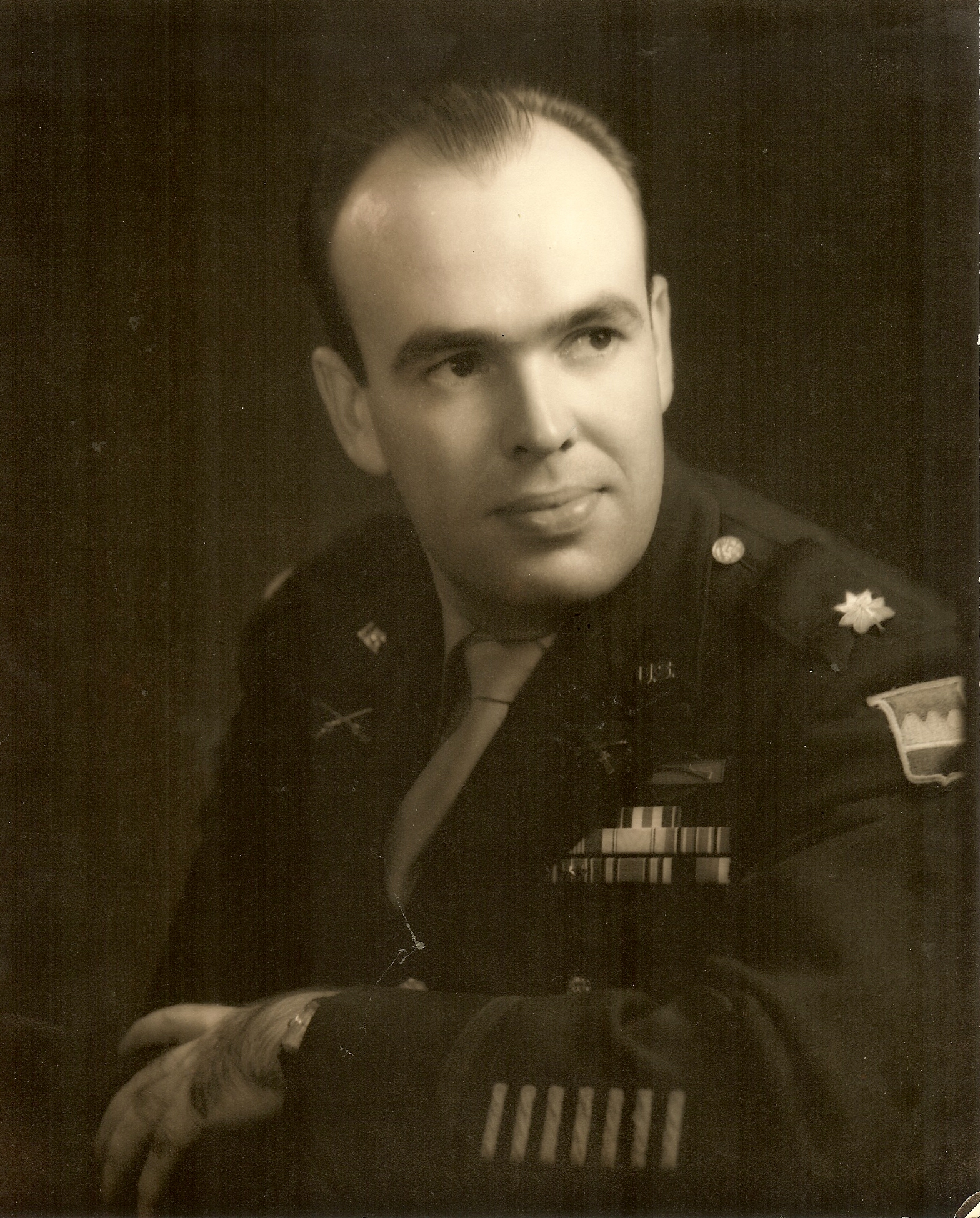
Jack Marshall Sr Army portrait

Today the Army buried my father, Major Jack Marshall, Sr., with full military honors. He had earned them, for he was a hero in World War II. Let me correct that: every soldier who serves in battle is a hero, but my Dad had a few special distinctions, like a Silver Star and a Bronze Star to go with his Purple Heart.  He  sustained a crippling wound to his foot from a hand-grenade, healed enough to jam what was left of it into a boot, and went on to fight in the Battle of the Bulge.

Under the clearest of blue skies, with the cemetery covered in snow, a caisson drawn by black horses, one without a rider, carried my father to a gravesite ceremony where the American flag draping his casket was carefully folded by six soldiers and given to my mother, following a 21-gun salute. My father was a hero off the battlefield as well, a profoundly ethical and courageous man throughout his life, and how he got that way is worth examining. Continue reading →

Solving the Spouse Conflict Problem

When spouses are professionals whose jobs intersect, they will usually maintain that they never “talk shop” at home, and that for all intents and purposes, they are two unrelated workers, ships passing in the night. Nobody believes them, and nobody should. Continue reading →

“The Ethicist” Strikes Out Again

I’ll make a deal with Randy Cohen,”The Ethicist” of The New York Times Magazine: I’ll stop criticizing his column when he stops justifying dishonesty. Lately, Cohen has not only been advising his correspondents to avoid telling the truth but headlining the questions where he does so.

Lie proud, Randy!

This week’s endorsement of forked tongues surrounded the sensitive issue of designating a guardian for one’s child. Parents had asked their good friends, another married couple, if they would agree to care for their daughter in the event that the parents perished while she was a child. After the couple enthusiastically agreed, the parents learned that their friends were not sufficiently responsible with their finances, and liked to “live large.” They no longer trust the couple with their daughter’s welfare, and want to re-assign the responsibility of being emergency guardians to relatives. This will require the parents to change their wills.

Their question to “The Ethicist”: Do they have to tell their friends? Continue reading →