“I’ve got a dear friend [who has]an adopted son, a little kid from an orphanage down in Columbia. Child had brain damage, grew up weird. And you just never know what’s been done to a child before you get that child. What kind of sexual abuse [there] has been, what kind of cruelty, what kind of food deprivation, etc. etc. You don’t have to take on somebody else’s problems. You really don’t.”
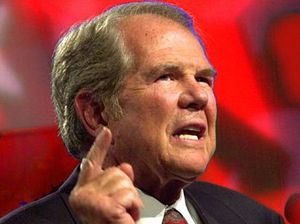
—-Televangelist Pat Robertson weighing in against international adoption on his syndicated TV show, “The 700 Club.” He was responding to a letter from a woman who had adopted three children from other countries, and whose social life had suffered as a result.
Worse than weird
No, of course you don’t “have” to take on anyone’s problems, especially those of helpless orphans in poor countries. You can ignore them completely. You can concentrate on helping people here, and that’s admirable, or you can just help yourself and fulfill your minimal societal obligations without hurting anyone. It is certainly strange, however, to hear a Christian minister discourage the sacrifice and courage of parents who choose to rescue international orphans, and express such callousness in the process.
A fellow minister, Russell Moore, properly put Robertson in his place: Continue reading