 It doesn’t come up here often, but I am the artistic director for a professional regional theater company. It is dedicated to producing 20th Century stage works of artistic and historical value that other, more commercial (sensible?) companies wouldn’t touch with a ten-foot pole. Every now and again I find a play that is especially risky, challenging, and rich in theatrical possibilities, and those are the ones I direct myself.
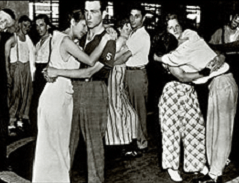
This summer, I will be directing such a production, a harrowing recreation of Depression era dance marathons called “Marathon 33.” It was written by the fascinating June Havoc, Gypsy Rose Lee’s sister who became a Hollywood star and who is perhaps best known as the irritating “Baby June,” the blonde and perpetually juvenile vaudeville headliner in the musical “Gypsy.” Havoc survived the Depression by competing in dance marathons during the Thirties, and wrote two autobiographies about these terrible spectacles, in which desperate couples would stay on their feet for thousands of hours for food and the promise of a cash prize, as more fortunate Americans paid to see who would drop first.
The show, at least as I and my artistic collaborators envision it, involves recreating dance marathons as accurately as possible, down to the smallest detail. The audience for the show will be immersed in the action as if it were the heartless mob that cheered the real dancers on, and we will avoid anachronisms of any kind. And yet, as I prepare to cast the show after a wonderfully productive round of auditions, I face an ethical conflict. Several of the strongest candidates for dance contestants are African-American, and there were no black competitors in the real contests. Even if there had been, mixed-race couples would not have been tolerated, especially in Virginia, where we are setting the show. Yet if I cast the best actors available without reference to race, I will have both. Continue reading →



 Ethics Alarms