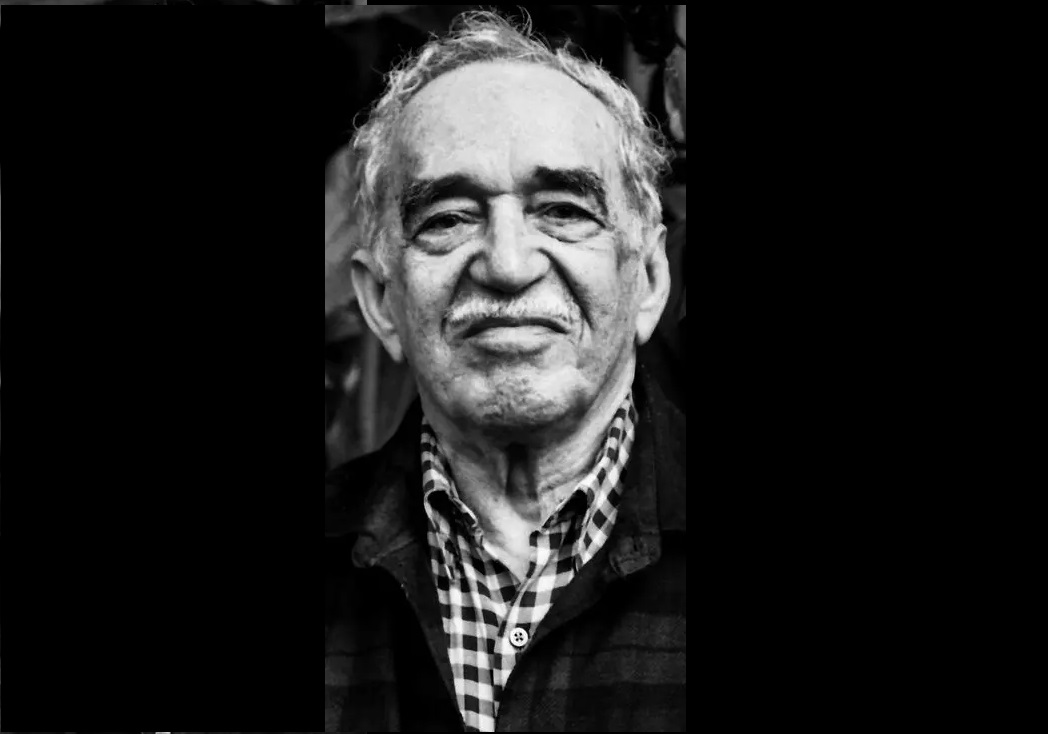
I was certain that Ethics Alarms had explored the problem of estates issuing, publishing and otherwise profiting from famous artists’ works when the artists have specifically said that the works involved were to be withheld from the public. It has not, however. I suppose the issue is ripe for an ethics quiz. However, as this is an issue that has always intrigued me, I’m going to use a current controversy to delve into the matter now.
Gabriel García Márquez (of “One Hundred Years of Solitude” fame, among other works) labored on a final novel in his last years. After five versions and constant edits, additions and deletions, he gave up. He ordered his son to destroy all versions of “Until August” upon his death. That occurred in 2014, but the novel was not destroyed as he requested. All the drafts, notes and fragments were deposited at the Harry Ransom Center at the University of Texas at Austin, in its Gabriel García Márquez archives. Now Márquez’s sons are defying their father’s wishes further and having the novel published this month. Because the author is a major international literary figure, the “new” work is considered to be a major publishing event.
But is it ethical to publish the novel at all, if 1) it wasn’t finished 2) its creator decided it wasn’t up to his standards, 3) the work risks diminishing the author’s reputation, and 4) the artist specifically directed that it be destroyed?
There just aren’t any clear rules for this problem. Whose interests take precedence, the creator of work of art, or the public and future generations that might benefit from it?


 Ethics Alarms