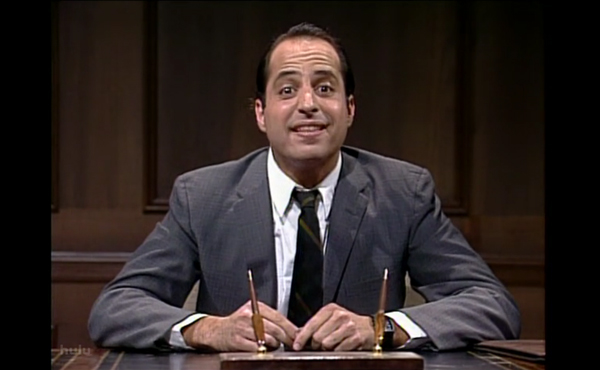
“Psychology Today” has tips for Tommy Flanagan and the other aspiring liars out there.
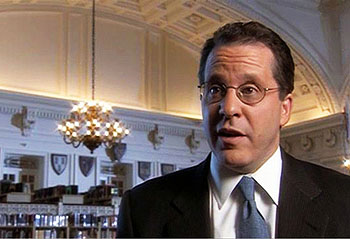
Jeff Wise provides what he calls “The Ten Secrets of Effective Liars” on the “Psychology Today” website. I have some problems with his list, among them that despite his protestations to the contrary, it sure reads more like a handy-dandy self-help list for the George Costanzas, Tommy Flanagans and Bill Clintons among us.
My main objection, though, is to his #3 on the list, #3 Tell the truth, misleadingly. He correctly points out that a statement that is technically true will often be the most effective way of misleading others, but writes, “Technically, it’s only a prevarication – about half a sin.” I don’t know or care about how it ranks on the sin scale, but he is describing deceit, and deceit is a lie, period, no question about it. Wise is passing on a misconception himself, one that allows the most effective and destructive liars among us deceive routinely and then rationalize that they “really weren’t lying.” Spreading this common, popular and useful—to liars—myth does more damage than any of the supposedly beneficial results of his list could make up for.
Among the sinister results of promoting deceit as only half a lie, and therefore twice as forgivable as a “real” lie, is that it gives deceit masters (like Clinton) an effective excuse when they are caught. “Oh! Oh, I’m sorry! When I said ‘I didn’t have sex with that woman,” you thought I meant that I didn’t use my superior power and influence to persuade my young female intern to give me a hummer! I should have been clearer!” Right. Thus the liar switches the real blame onto the listener who was originally deceived. If that listener likes the liar and was inclined to trust him (or her), the rationalization that it was all a big misunderstanding will often be enough to allow the party deceived to keep trusting the liar…and be set up to be deceived again. Continue reading