
When you think about it, this shouldn’t surprise us, as horrible and unethical as it is. The steps from abortion, to late-term abortion, to legal infanticide have always been smaller than abortion advocates have been willing to admit.
In one of the efforts underway in several Democratic-controlled legislatures to protect abortion rights if the Supreme Court alters or strikes down Roe v. Wade, Maryland is considering Senate Bill 669. The bill’s language states, in addition to protecting abortions themselves from prosecution, that no person can be investigated or charged for “experiencing a miscarriage, perinatal death related to failure to act, or stillbirth.”
The perinatal period consists of “the period shortly before and after birth, from the 20th to 29th week of gestation to one to four weeks after birth.” Mark Tapscott concludes,
In other words, it’s anywhere up to four weeks after the birth of the child you and your sexual partner conceived, and you decide you really don’t want the child, hey, no problem, just don’t feed it, don’t get medical care, don’t do a thing. Eventually, the child will die.
And that, under the meaning of the bill’s text, is OK.
The bill, which Tapscott believes is certain to pass and withstand a veto by Maryland’s Republican governor, also bans any investigations into perinatal infant death while creating the private right the right to sue for civil damages if one is investigated for causing a perinatal death through neglect. Continue reading









 Ethics Alarms
“The First Amendment, and whatever the Canadian equivalent is (however weakly codified) does not protect actions that interfere with lawful commerce or disturb the peace to the point of mischief.”
Well I’m glad you asked!
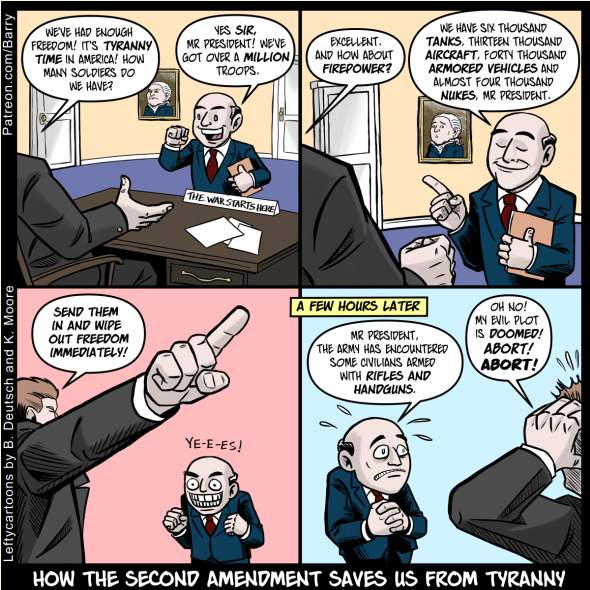
Canada also has a constitution, although ours wasn’t predicated on the same base narrative as America’s. As an outsider looking in, America’s constitution is almost paranoid in nature, usually you don’t draft the founding documents to a nation’s governments under the auspices of governments being tyrannical and specifically with an emphasis on protection from that tyranny. I make no negative values judgement there…they work, in a stiffly rugged way. To highlight the differences between Canadian and American constitutional theory: Where the founders wrote “life, liberty and pursuit of happiness” in America’s declaration of independence, Canada’s founders instead wrote in “peace, order, and good governance”.
Our Canadian constitution is more malleable, and over the years, it’s been broadly re-imagined. Instead of enumerated amendments to the constitution, in 1982, Canada codified our rights in a portion of our constitution called “The Charter of Rights and Freedoms”.
Continue reading →